Last updated November 22, 2026
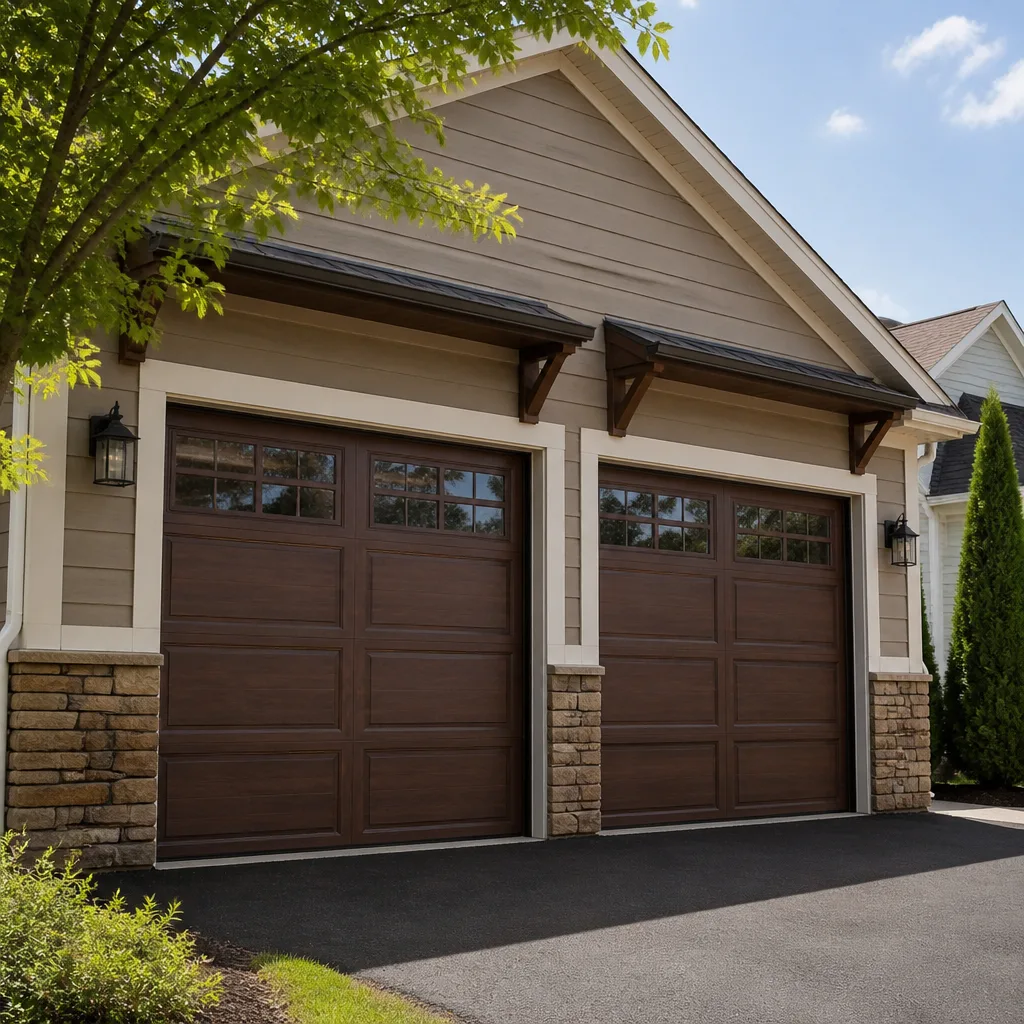
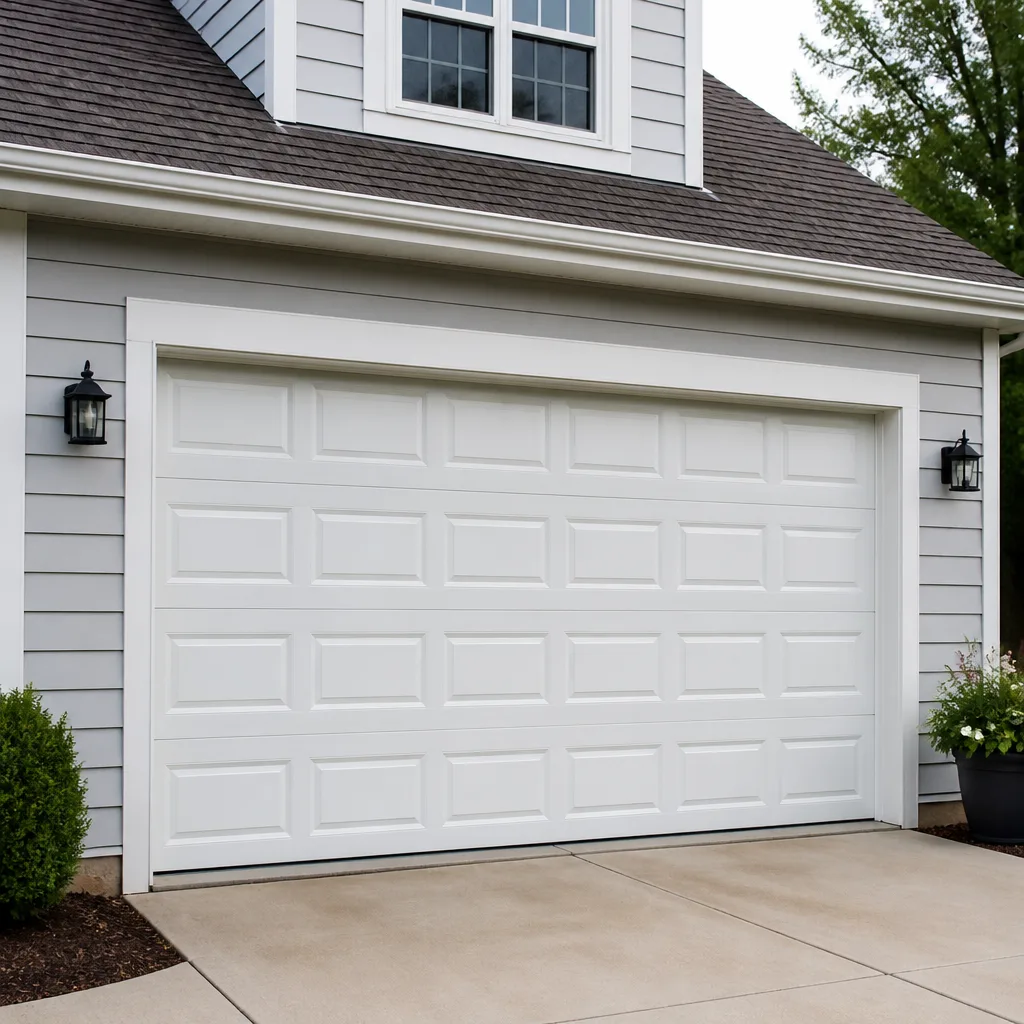 Raised-panel steel
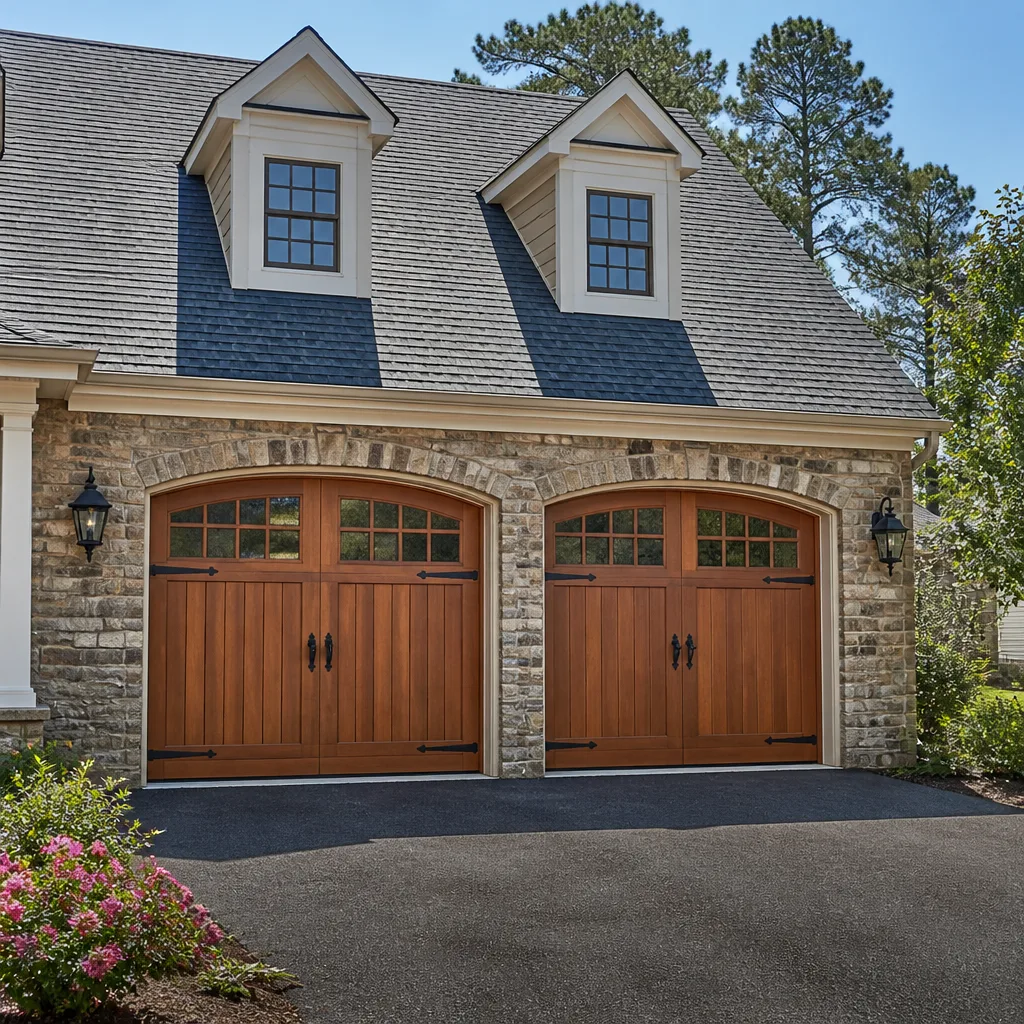 Carriage house
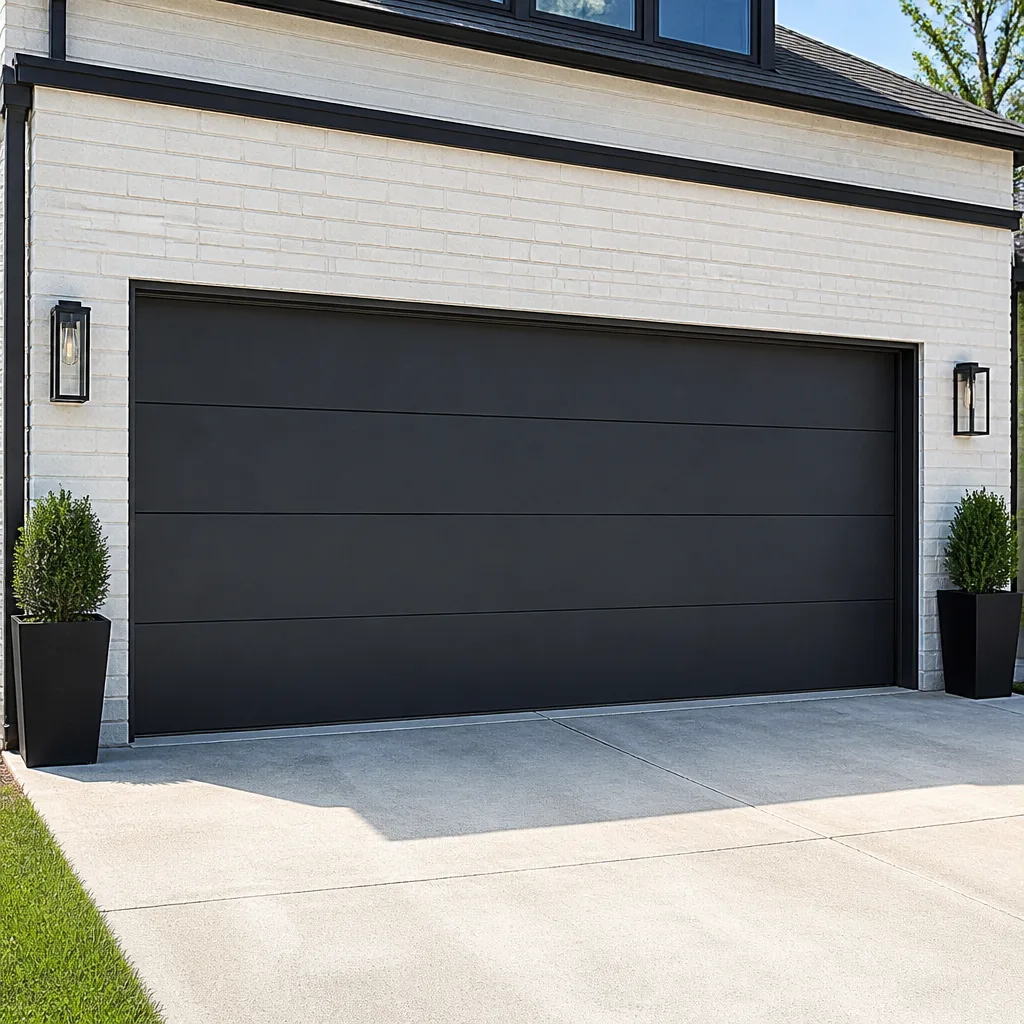 Modern flush
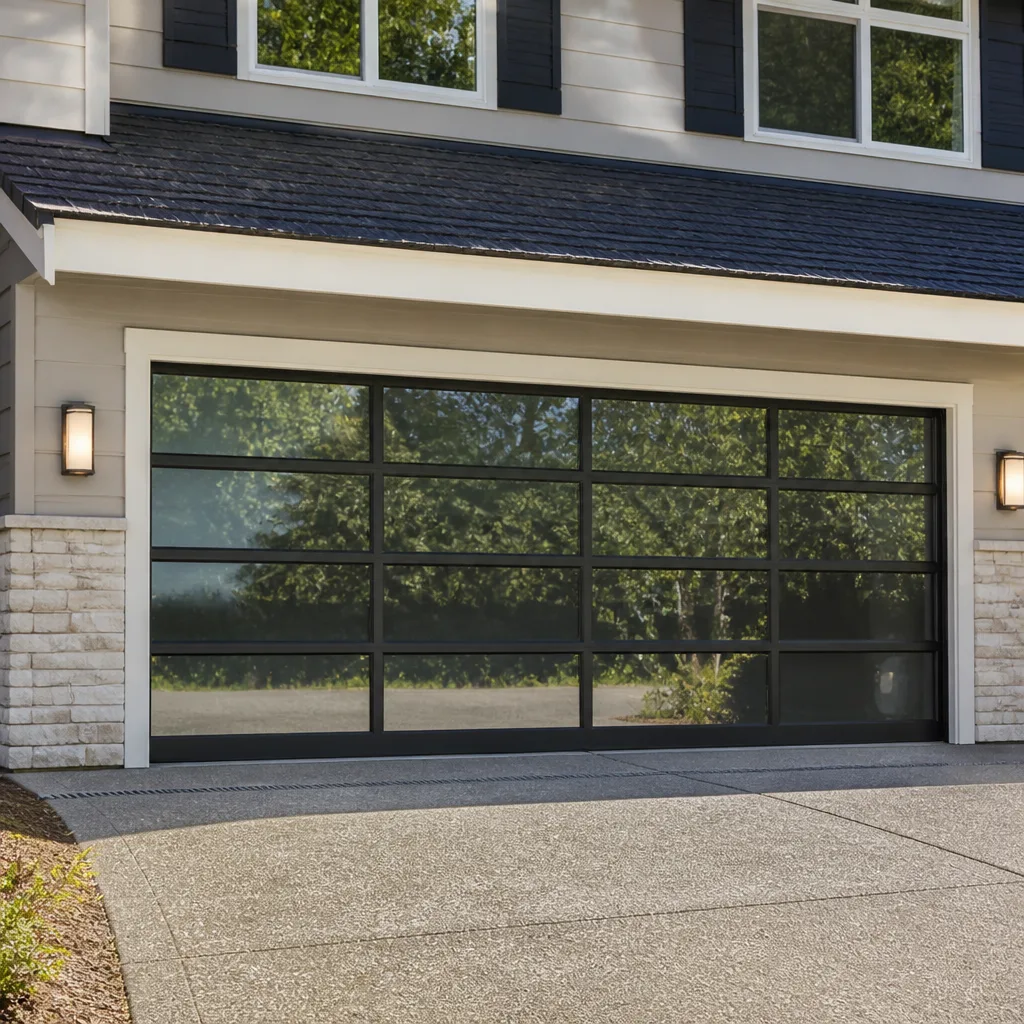 Full-view glass
 LiftMaster openers
 Chamberlain openers
Full 25-point door and opener safety check with every visit - springs, cables, rollers, tracks, and your LiftMaster or Chamberlain opener included
You get a price before we start. It does not change when the pro arrives.
Get your free estimateGarage Door Repair Troubleshooting in Orland Park: Common Problems and How to Fix Them
Your door isn’t “broken” – it’s telling you exactly what failed. The problem is that most troubleshooting guides skip the diagnostic logic and jump straight to a parts list, which leaves you guessing at whether you’re looking at a five-dollar fix or a service call. A garage door is five systems working together, and when one goes, the symptom usually points to the culprit before you touch anything. This guide teaches Orland Park homeowners to read those symptoms, understand the five failure chains, and know precisely which checks are safe to run and which ones belong to a trained technician.
Quick Answer
Most garage door problems trace to one of five subsystems: spring and cable tension, track alignment, the operator and motor, the safety sensors, or panel and hardware. Match the symptom to the right chain and you’ll know within two minutes whether it’s a minor adjustment or a call to a specialist. Anything involving spring tension, cable winding, or the door coming off its tracks should be handled by a trained professional, not a homeowner.
Styles & brands we work with
- Raised-panel steel
- Carriage house
- Modern flush
- Full-view glass
- LiftMaster openers
- Chamberlain openers
Table of Contents
- The Five Failure Chains That Explain Almost Every Problem
- Why Your Door Won’t Open: Six Root Causes and How to Tell Them Apart
- What You Can Safely Check Yourself vs. What to Leave Alone
- How Orland Park Winters Accelerate Track and Seal Failure
- Opener and Remote Problems: When It’s the Motor and When It’s Not
- Safety Sensor Faults: The Most Common “My Door Won’t Close” Cause
- Noise, Vibration, and What They Reveal
- Decision Matrix: Symptom to Likely Cause to Next Step
The Five Failure Chains That Explain Almost Every Problem
Every garage door in Orland Park relies on the same five subsystems, and nearly every failure lives inside one of them. Understanding the chains keeps you from chasing the wrong part. Generalists often treat a door problem as a single mystery; specialists treat it as a routing question. Which chain is failing?
- Spring and cable tension. The springs carry the door’s weight and the cables transmit that force. This is the highest-energy, most safety-critical chain in the system. Torsion springs run along the header; extension springs run above the tracks. When a spring snaps, you usually hear it, and the door becomes nearly impossible to lift.
- Track alignment. The vertical and horizontal tracks keep the door in its path. A bend, a loosened bracket, or debris in the channel makes the door bind, squeal, or jam halfway. Misalignment is a common consequence of a door taking a bump.
- Operator and motor. The opener’s motor, gears, and logic board pull the door up and control when it stops. A dead opener, a stripped gear, or a failing capacitor shows up as a door that hums without moving or stops partway.
- Safety sensors. The paired photo-eye sensors near the floor stop the door from closing on people, pets, or objects. Misalignment, dirt, or a sun angle can trigger false reversals. This is the single most common reason a door won’t close.
- Panels and hardware. Hinges, rollers, bottom seals, and panels bear the daily wear. A dented panel, a worn roller, or a brittle bottom seal won’t stop the door, but it degrades performance and lets weather in.
Once you know which chain is failing, the rest is diagnosis. That routing instinct is what separates a specialist’s two-minute call from a homeowner’s hour of guessing, and it’s the quiet reason Orland Park Garage Door Repair approaches every call the same way: identify the chain, then confirm the failure. Our technicians have up to 13 years of experience working within these five systems, and the pattern holds across every brand and every door.
Why Your Door Won’t Open: Six Root Causes and How to Tell Them Apart
“The door won’t open” is the most common call we get, and it has at least six different root causes. Telling them apart takes under two minutes if you listen and watch before touching anything.
- A broken spring. You probably heard a loud snap or bang. The door feels extremely heavy when you try to lift it manually. Do not force it. This is a spring chain failure and it needs a technician.
- The opener has lost power or tripped. The motor is silent, no hum, no light. Check whether the opener is plugged in and whether a wall switch or breaker has cut power before assuming the motor is dead.
- A stripped gear or failed capacitor in the opener. The motor hums but the door doesn’t move, or the chain or belt doesn’t travel. This is an operator chain failure, not a door failure.
- A locked or engaged manual release. Someone pulled the red release cord and the trolley is disengaged from the carriage. Re-engaging it restores normal operation without a repair.
- A binding track or jammed roller. The door starts to move then stops or shudders. Something in the track is catching the roller. This is a track chain issue.
- A remote or wall control issue. The door works from the wall button but not the remote, which points to a battery, a programming issue, or a signal problem, not a mechanical failure.
Six symptoms, six different chains. A homeowner who listens for the snap, watches whether the motor hums, and checks the manual release can narrow it to one or two causes before calling. That saves guesswork and it saves money, because the technician arrives already knowing where to look. A dead opener on a LiftMaster or Chamberlain unit, for example, is a very different visit than a snapped torsion spring.
What You Can Safely Check Yourself vs. What to Leave Alone
Not every check is safe, and knowing the line between them protects you. Honest troubleshooting means being clear about which parts a homeowner can inspect and which ones carry enough stored energy to injure someone who doesn’t know the system. Here is the line.
Safe homeowner checks
- Listen for the type of failure: a snap or bang, a hum with no movement, or total silence.
- Confirm the opener has power and the wall switch works.
- Check the safety sensors for dirt, obstruction, or misalignment (they’re low-voltage and safe to handle).
- Test the manual release to see whether the door moves freely by hand. Lift it only a few inches and let go; if it’s very heavy, stop.
- Inspect the track visually for dents, debris, or obvious bends. Look, don’t bend.
- Check the bottom seal and panels for cracks or daylight showing through.
Leave these to a specialist
- Spring tension adjustment. Torsion springs are under extreme tension and the winding bars can slip or release without warning. This is not a homeowner job, and no guide should pretend otherwise.
- Cable winding and replacement. Cables under tension can whip and cut when they fail. Correct tensioning requires the right tools and training.
- Replacing a spring yourself. The wrong spring gauge or length for the door’s weight is dangerous and can damage the opener. Matching the spring to the door is a measurement skill, not a parts swap.
- Straightening a badly bent track. A track out of true causes the door to jump the rollers, which is how doors come off the rails.
- Rehanging a door that has come off its tracks. That door can fall. Keep everyone clear and call for help.
If the door is very heavy, the springs are the likely cause, so stop and call. Our garage door spring repair work is a core part of what we do precisely because it’s the check most generalists won’t touch. When the door won’t move, we do.
How Orland Park Winters Accelerate Track and Seal Failure
Orland Park sits where lake-effect weather and deep winter freeze-thaw cycles meet, and that combination wears on a garage door in specific, predictable ways. The cold itself doesn’t break a door. What breaks it is what the cold does to the materials and the hardware around it. Here’s how the season shows up in the five chains.
Freeze-thaw cycles on concrete floors
Water that gets under the door and freezes at the bottom seal expands and contracts with each thaw. That cycle hardens and cracks the bottom seal faster than in milder climates, and once the seal fails, water reaches the concrete slab and the bottom of the door. Ice buildup in the track channel or at the threshold then catches the roller and binds the door. A swollen, split seal is your first sign that Orland Park’s winters are winning.
Road salt on winter roads
Salt tracked in on cars and boots speeds up corrosion on the bottom fixtures, hinges, and the bottom seal area. It’s not the coastal kind of corrosion people imagine; it’s the concentrated kind that comes from brine and salt residue sitting on the same metal fixtures all winter. Wiping down the bottom hardware and hinges helps, and replacing a corroded roller or hinge is a small repair that prevents a bigger one.
Cold contraction of metal and seals
Steel tracks and springs contract in the cold, and lubricants thicken. A door that ran smoothly in October can scrape in January without anything being “broken”, because the clearances tightened. This is the season when track alignment and lubrication matter most, and it’s why a tune-up in Orland Park before the first hard freeze saves a February call.
What this means for your check
In winter, look at the bottom seal and the bottom fixtures first, then the track channel. If the seal is split, water will keep finding it. If the track has ice or grit, the door will bind. Both are fixable, and identifying them early keeps a $12 seal from becoming a track problem. For repair scheduling in the cold months, the fastest route is a call to a specialist who reads the season as part of the diagnosis. Learn more about garage door repair for the specifics of what a winter visit covers.
Opener and Remote Problems: When It’s the Motor and When It’s Not
Not every “the opener is broken” call is actually an opener problem. The operator chain is one of five, and it’s the chain homeowners most often blame for a fault that lives somewhere else. Separating the motor from everything around it takes a few minutes of methodical testing.
Signs the operator is actually failing
- The motor hums but the door doesn’t move (a stripped gear or a failed capacitor).
- The opener moves the door a foot or two and stops, every time, with the same limit pattern (a limit switch or logic problem).
- The light works but the motor is silent and the wall button doesn’t respond (a control board or power issue).
- The opener runs but the chain or belt slaps or binds (a chain tension or sprocket issue).
Signs it’s not the operator
- The door works from the wall button but not the remote. Replace the remote battery and reprogram before assuming failure.
- The door reverses immediately on close. That’s almost always a sensor, not the motor.
- The door works but is heavy and slow. That points to a spring or track chain, and a new opener won’t fix it.
- The door is locked or the manual release was pulled. Re-engage the trolley and the door is fine.
We work on the brand you already have, so a LiftMaster, Chamberlain, or Genie unit gets diagnosed and repaired where possible rather than automatically replaced. That matters, because a wall button that works while a remote doesn’t is a five-minute fix, and no homeowner should pay for a new opener to solve it. When the opener genuinely needs service, our garage door opener repair covers the motor, gears, logic boards, and remotes. The right question isn’t “which opener should I buy” but “is this actually the opener?”
Safety Sensor Faults: The Most Common “My Door Won’t Close” Cause
If the door opens fine but reverses or refuses to close, the safety sensors are the first place to look. The paired photo-eye sensors near the floor on either side of the opening are designed to reverse a closing door when something breaks the beam. When they’re dirty, misaligned, or blocked, they do exactly that – the door sees an obstruction that isn’t there and won’t close. It’s the most common closing fault we encounter in Orland Park.
Quick sensor checks (safe for homeowners)
- Look at the two sensors and confirm each has a lit indicator. Most have a small LED; a sensor with no light is usually misaligned or unpowered.
- Wipe the lenses with a soft cloth. Dust, cobwebs, and winter grit cause false beam breaks.
- Check that nothing sits between them – a shovel, a recycling bin, or a garage bag left in the beam path.
- Confirm the sensors face each other and haven’t been nudged. A small mounting shift can break the beam alignment.
- If one light is on but the other flashes or stays dark, the sensor or its wiring needs attention.
Why the sun sometimes matters
On a clear morning, direct sun hitting one sensor can overwhelm the receiver and cause false reversals. It’s an alignment issue more than a sunlight issue, and it’s fixable by repositioning the sensor so the beam is protected. If the sensor is clean and aligned but the door still won’t close reliably, the sensor or the opener’s logic may need service. This is a safe DIY check, and it’s the first one to run before calling. If the sensor check clears and the door still refuses to close, the fault has moved to the operator chain or the track, and it’s time for a specialist.
Noise, Vibration, and What They Reveal
Sound is diagnostic. A door that runs quietly tells you the five chains are working together; a door that squeals, clunks, or shudders is telling you which chain is straining. Learning to read noise is one of the most useful skills a homeowner can build, and it costs nothing.
- A high-pitched squeal or squeak. Usually rollers, hinges, or the track needing lubrication. This is the cheapest failure chain to address and the easiest to catch early.
- A rhythmic clunk or rattle. A loose panel, a worn hinge, or a loose top bracket. Retightening hardware early prevents a track problem later.
- A single loud bang or snap, then a heavy door. A spring failure. Stop using the door. Spring repair is a specialist job, and the sound is the clearest signal you’ll get from the spring chain.
- A grinding or scraping from the opener. A failing gear, sprocket, or bearing. This is an operator chain issue, and continuing to run it can damage the door.
- A shudder or stutter on the way down. A track chain issue or a sensor reversal. Check the sensors first, then the track.
Vibration is the companion signal. A door that shakes the whole frame is binding somewhere in the track or running with a loose track bracket. A door that hums and doesn’t move is an operator fault. A door that jumps as it moves is a track or roller failure. In Orland Park’s cold months, lubrication thickens and metal contracts, so a door that starts complaining in January is often telling you the chains need tuning, not that it needs replacing. A quick listen before any repair call turns a vague complaint into a specific diagnosis. That’s the entire point of the chain model: symptoms carry the answer.
Decision Matrix: Symptom to Likely Cause to Next Step
Here is the reference to keep on your phone. Match the symptom to the chain, then follow the “next step” column. When in doubt, call; a diagnosis over the phone costs nothing.
| Symptom | Likely cause (chain) | Next step |
|---|---|---|
| Loud snap, door is very heavy, won’t lift | Spring failure (spring/cable) | Call a specialist. Do not force the door. |
| Motor hums, door doesn’t move | Gear, capacitor, or logic (operator) | Call a specialist for opener repair. |
| Door reverses or won’t close, opens fine | Sensor obstruction or misalignment | Check the sensors. Clean, realign, retest. |
| Works from wall button, not remote | Remote battery or programming (operator) | Replace battery, reprogram. Then call if needed. |
| Door binds, stutters, or jumps | Track alignment or roller (track) | Inspect visually. Call a specialist if bent or jammed. |
| Squeal or squeak on moving | Lubrication or worn rollers (hardware) | Lubricate. Call if the noise persists. |
| Door off its tracks | Track alignment failure | Keep clear, don’t touch. Call a specialist. |
| Cracked bottom seal, daylight at floor | Seal or panel (hardware) | Schedule a repair. Small fix now, large one later. |
| Grinding from opener | Gear, sprocket, bearing (operator) | Stop using it. Call for opener repair. |
Notice how many of these are safe for a homeowner to test and how few are safe to repair. The matrix separates the two, because the map is what you need before you climb a ladder. Our technicians have up to 13 years of experience reading these same signals, and the matrix you see here is the same one we work from: symptom, chain, decision. A few of these rows are free fixes (the remote battery, the sensor realignment), a few are small repairs, and a few are the ones you call in.
Common Mistakes to Avoid
- Forcing a heavy door. When the door won’t lift and feels extremely heavy, the spring has failed and forcing it can damage the opener or send the door off track. Stop and call.
- Assuming the opener is always the culprit. A “dead” opener is sometimes a pulled manual release, a tripped breaker, or a sensor fault. Test before you replace.
- Winding your own torsion springs. These springs are under extreme tension, and the tools can slip. This is the one mistake that causes serious injury; leave winding and cable work to a trained specialist.
- Ignoring a cracked bottom seal through an Orland Park winter. A split seal lets water and salt reach the slab and the bottom fixtures, and one freeze-thaw cycle turns a small seal repair into a track problem.
- Oiling a dirty track or skipping lubrication altogether. Grit plus dry rollers wears the track and hinges. Clean the channel, then lubricate the moving parts, and don’t assume a noisy door needs a new one.
- Guessing at spring size. The spring has to match the door’s weight and drum. A mismatched spring wears fast and strains the opener; matching it is a measurement job.
- Waiting until a small fault becomes a big one. A binding track, a squeal, or a worn hinge is a small repair today. Left alone, each can fail another chain and turn a cheap fix into an installation decision.
See the difference
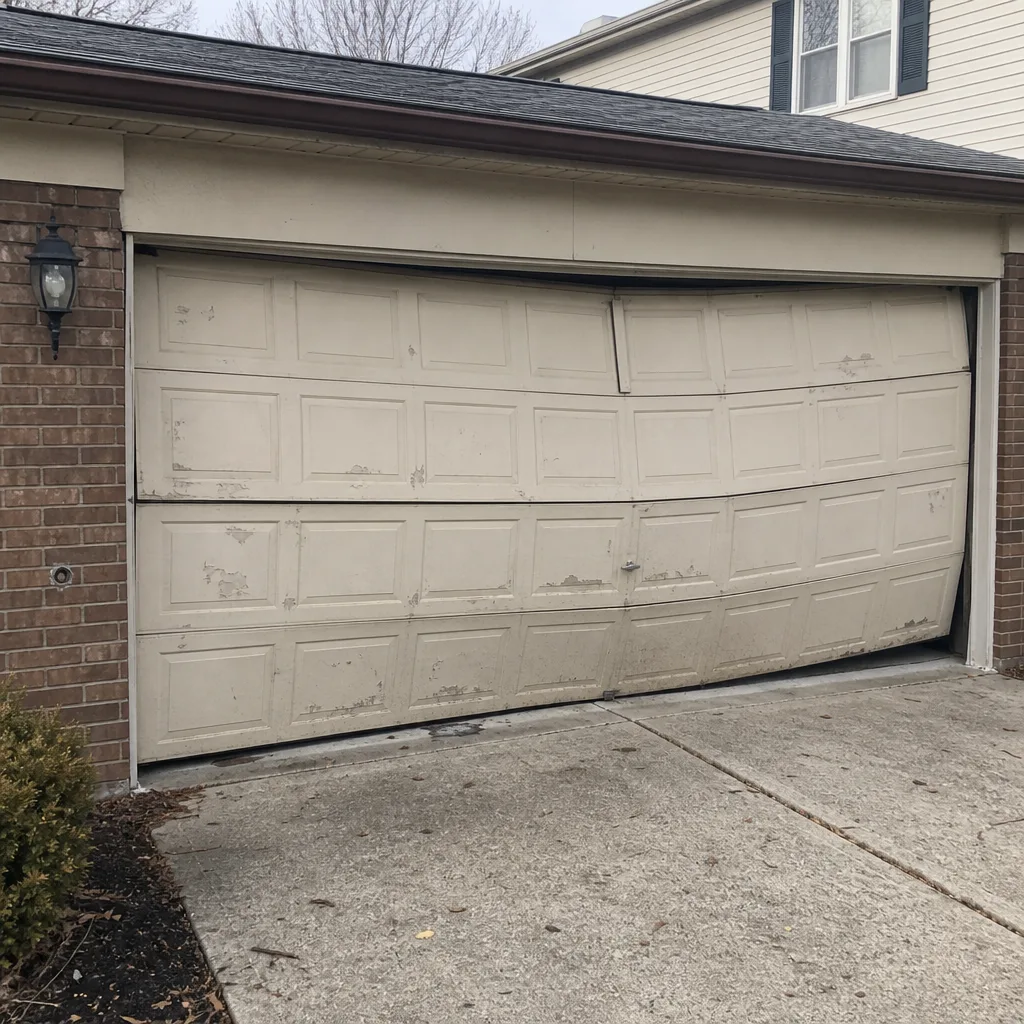 Before
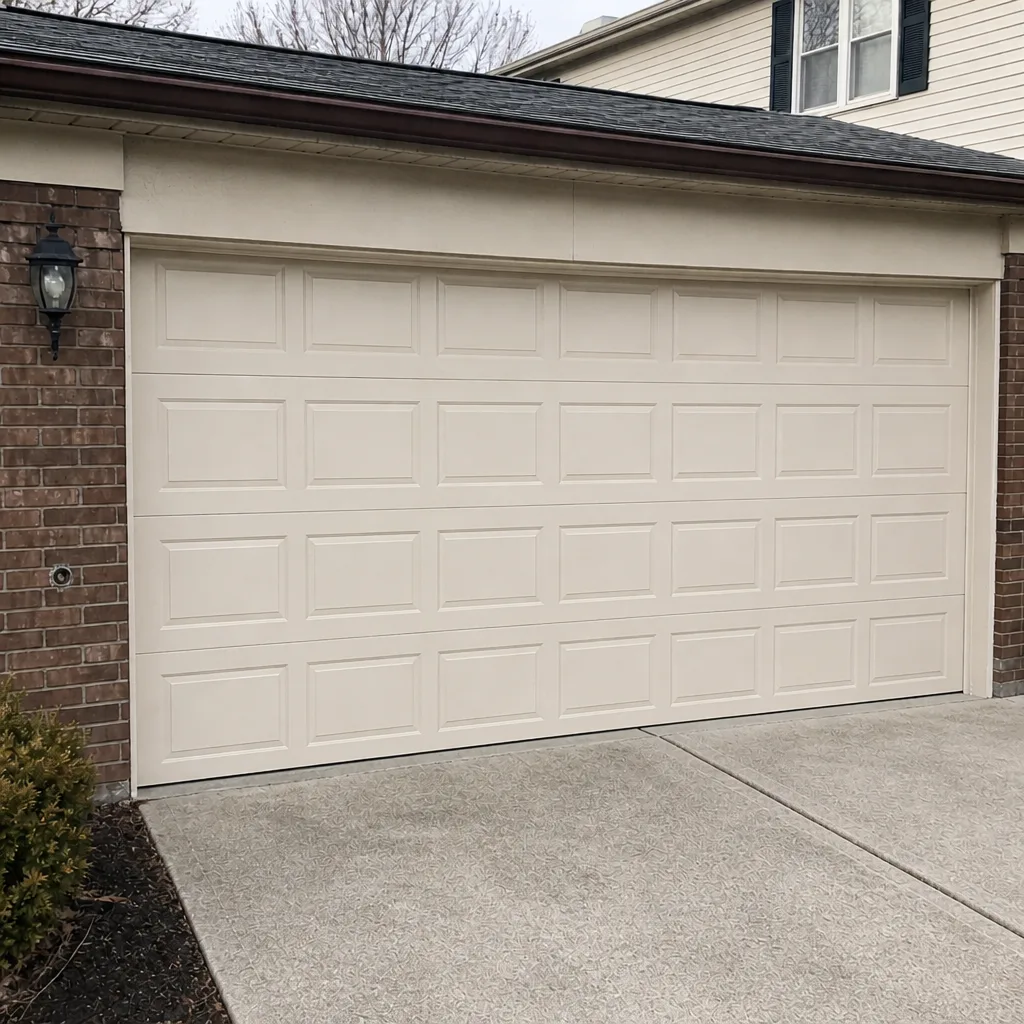 After
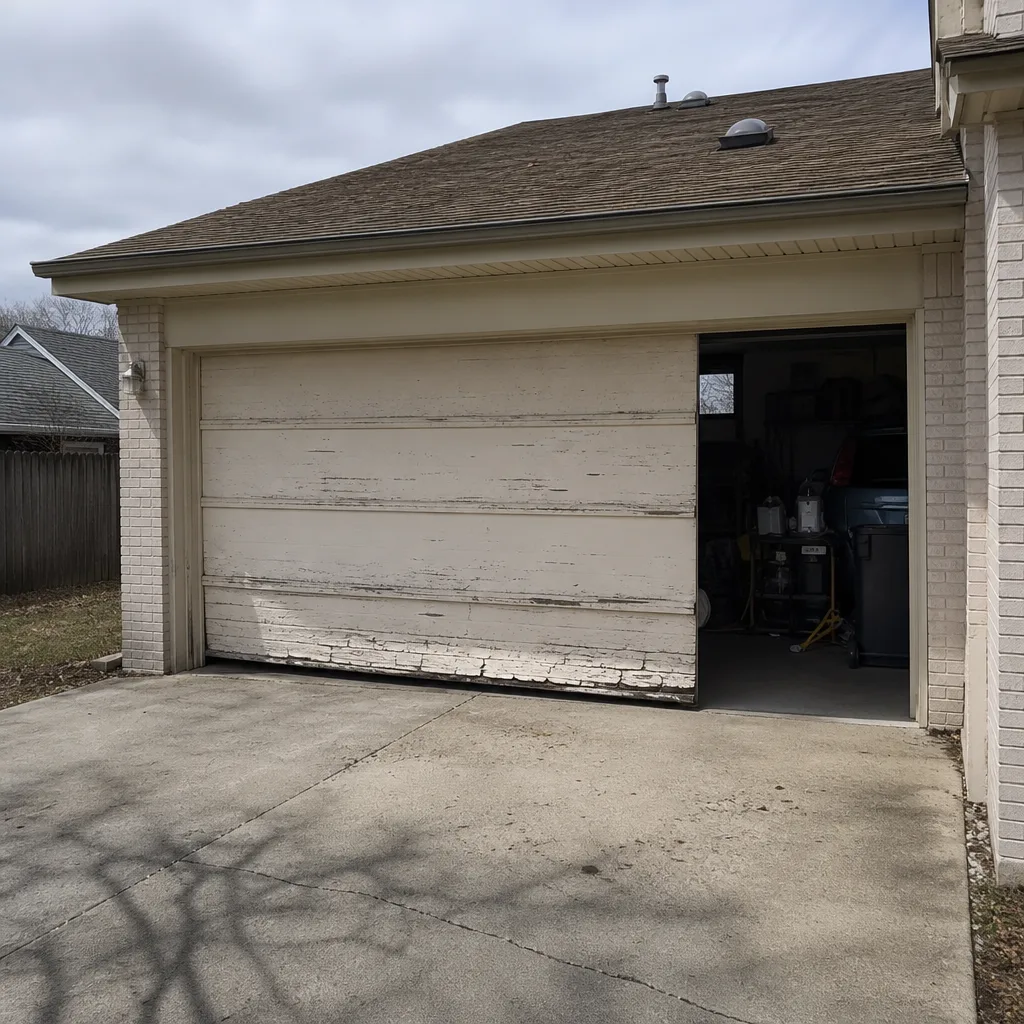 Before
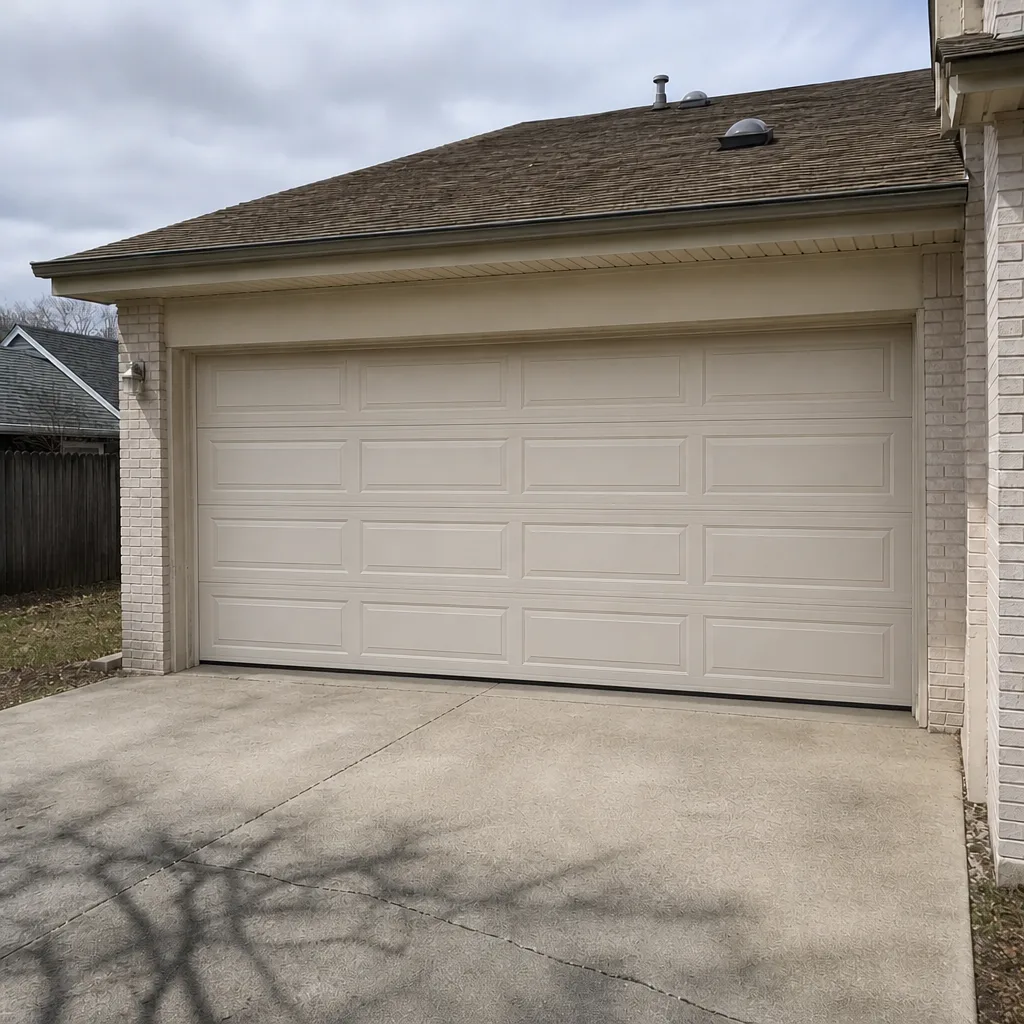 After
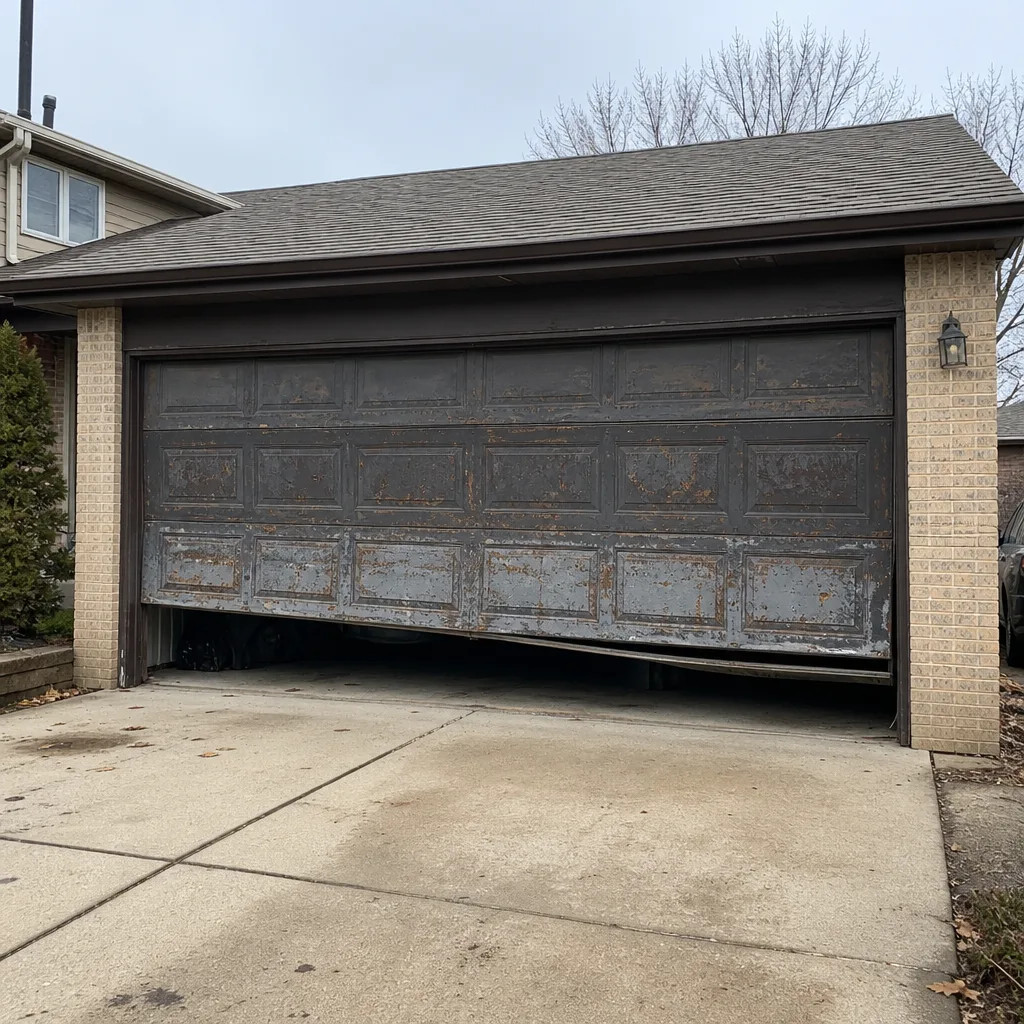 Before
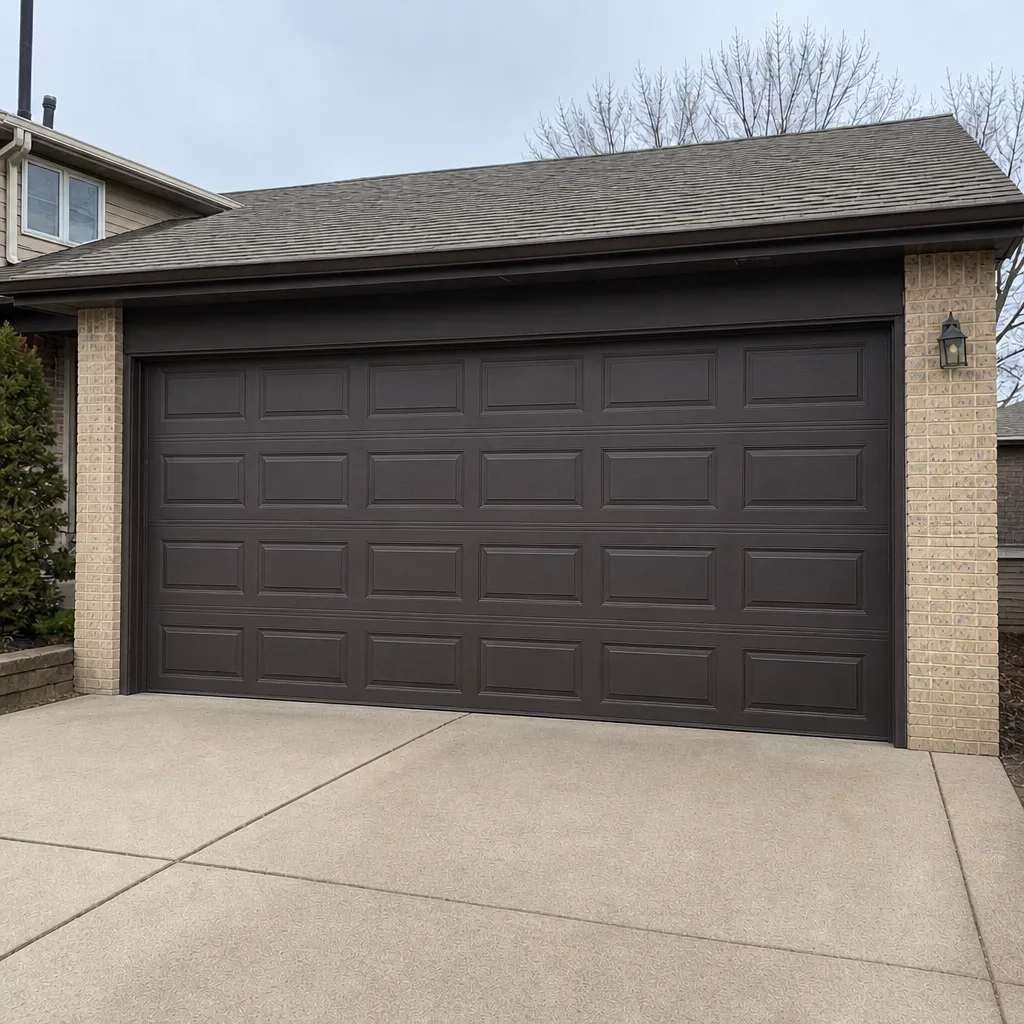 After
When to Call a Professional
Call a specialist the moment any check touches the spring or cable chain, when the door comes off its tracks, when the opener grinds or hums without moving, or when the door is too heavy to lift by hand. Those are the cases where a homeowner risks injury or a bigger repair by continuing. There’s no shame in stopping at the safe-check line; that’s exactly where a professional belongs. Orland Park Garage Door Repair offers free estimates in Orland Park – call (888) 569-6449. Estimates are free and pricing is agreed before any work starts, so you know the cost before we touch the door.
Frequently Asked Questions
No. Torsion and extension springs are under extreme tension, and winding or replacing them without training is one of the most dangerous home repairs you can attempt. Call a specialist. Our garage door spring repair handles the diagnosis, matching, and installation. Call (888) 569-6449 for a free estimate.
The safety sensors are the most likely cause. If the door opens fine but reverses or stops before the floor, check the two photo-eye sensors for dirt, obstruction, or misalignment and confirm both indicator lights are on. If a clean, aligned pair still won’t let the door close, the fault has moved to the opener, and that’s a call for help.
Repair costs vary by the failure chain: a sensor realignment or a remote reprogram is at the low end, a spring or opener repair sits in the middle, and a track or panel job depends on parts. We don’t quote over the phone – we give a written estimate after diagnosis, and the price is agreed before any work starts. Call (888) 569-6449; estimates are free.
Often, yes. Emergency calls are a core part of what we do, which is why our phone line is staffed for dispatch from 7am to 7pm. When the door won’t move, we do, and we can book the call and get a specialist out. When the door won’t open at 7 a.m. or won’t close at midnight, call and we’ll book you for the earliest available slot. Call (888) 569-6449.
Almost certainly not. That pattern points to a remote battery, a programming issue, or a signal problem, not a motor failure. Replace the battery and reprogram the remote first. If it still won’t respond, our garage door opener repair can diagnose the receiver or logic board without replacing a working unit.
Cold thickens lubricants and contracts the metal in the tracks, so clearances tighten and a door that ran quietly in fall can squeal or scrape in a Midwest winter. Lubricate the rollers, hinges, and springs, and check the track for ice or grit. If the noise continues or the door binds, a specialist can realign the track before it becomes a bigger repair. Call (888) 569-6449 for a free estimate.
The Bottom Line
Most garage door problems aren’t mysteries. They’re one of five failure chains, and the symptom you hear or see points to which chain is struggling. A snap means the spring chain. A hum with no movement means the operator. A door that won’t close means the sensors. A bind or jump means the track. A squeal or crack means hardware. Diagnose by that logic and you’ll know in two minutes whether you’re looking at a small fix or a specialist visit. The safe checks are yours to run. The springs, cables, and off-track doors are not. One call covers the full job, from the diagnosis today to the installation if the door is past saving.
Orland Park Garage Door Repair works on the brand you already have (LiftMaster, Chamberlain, Genie, Clopay, Amarr, Wayne Dalton, Craftsman, and Raynor) and covers repair, openers, springs, and installation as a dedicated garage door specialist, nothing else. Call (888) 569-6449 for a free estimate in Orland Park today.
Written by the team at Orland Park Garage Door Repair.