Last updated November 22, 2026
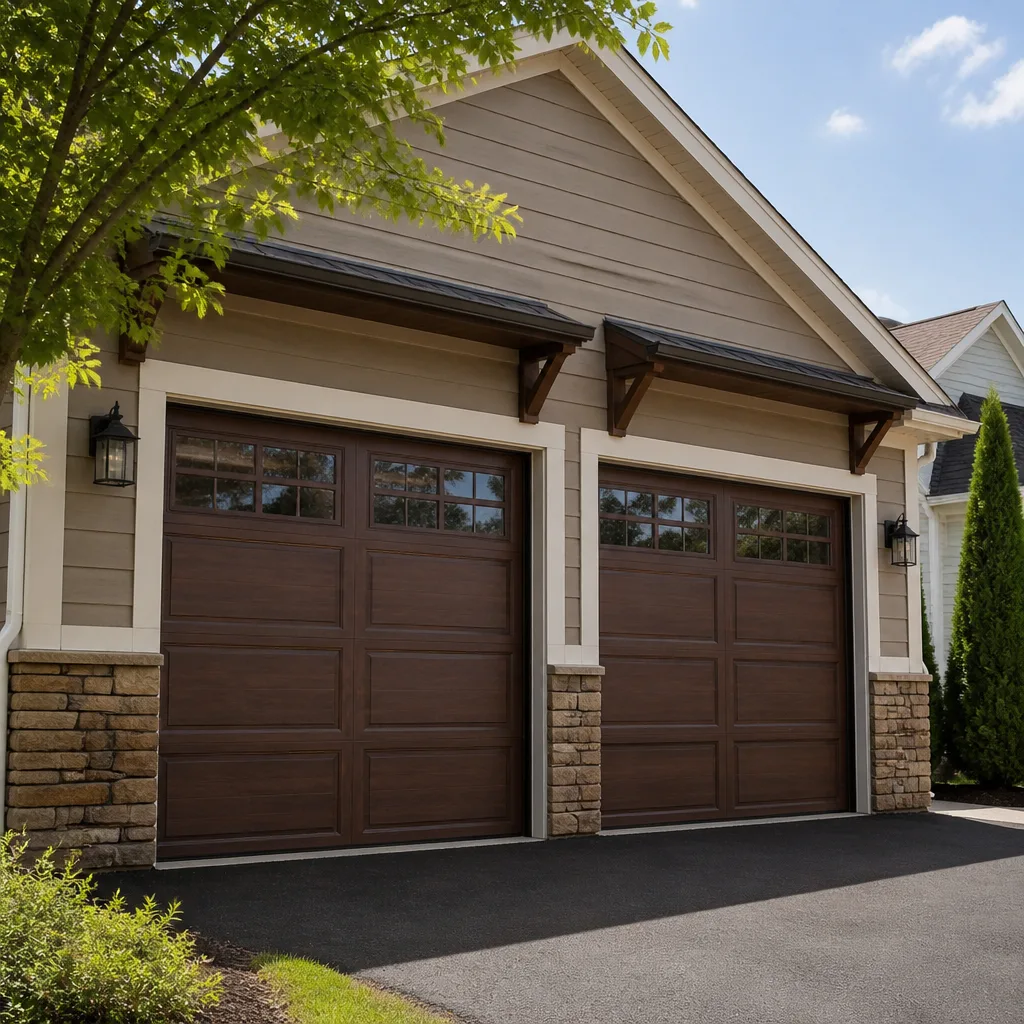
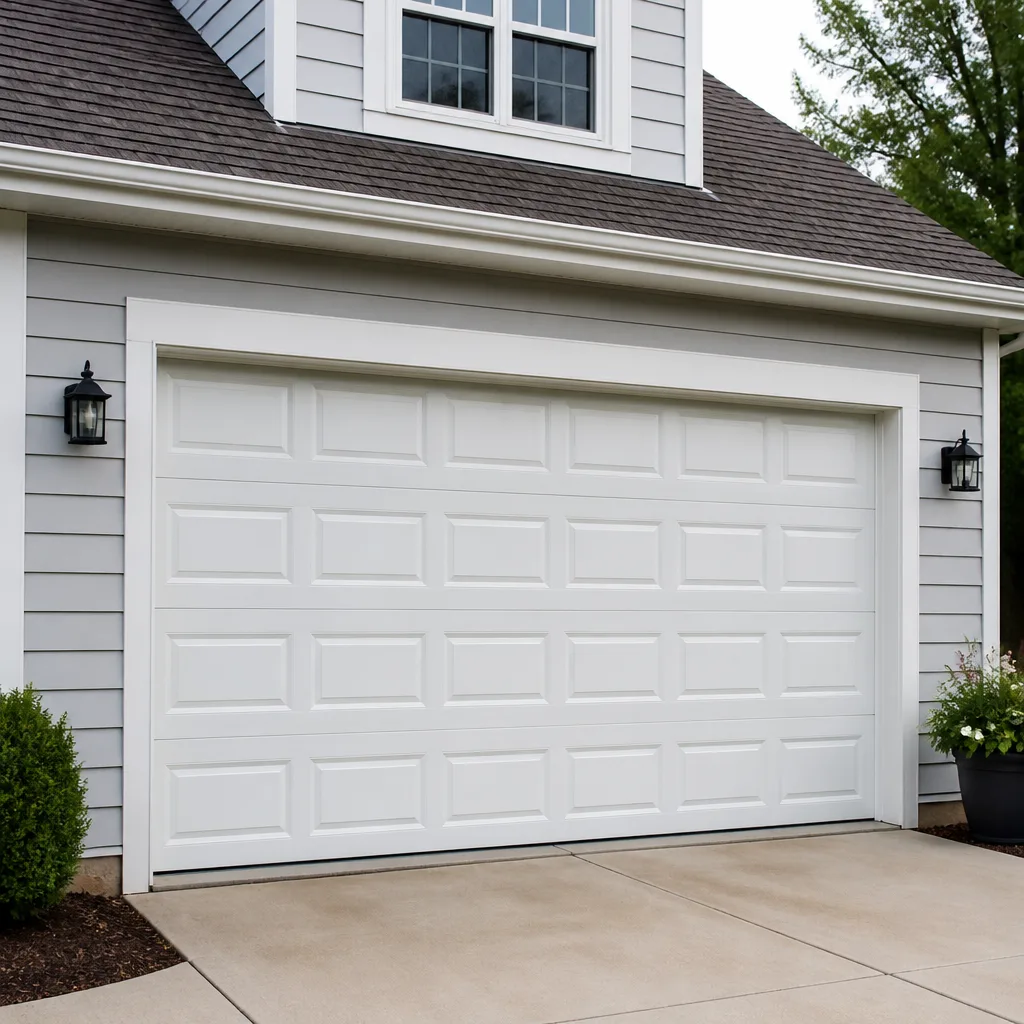 Raised-panel steel
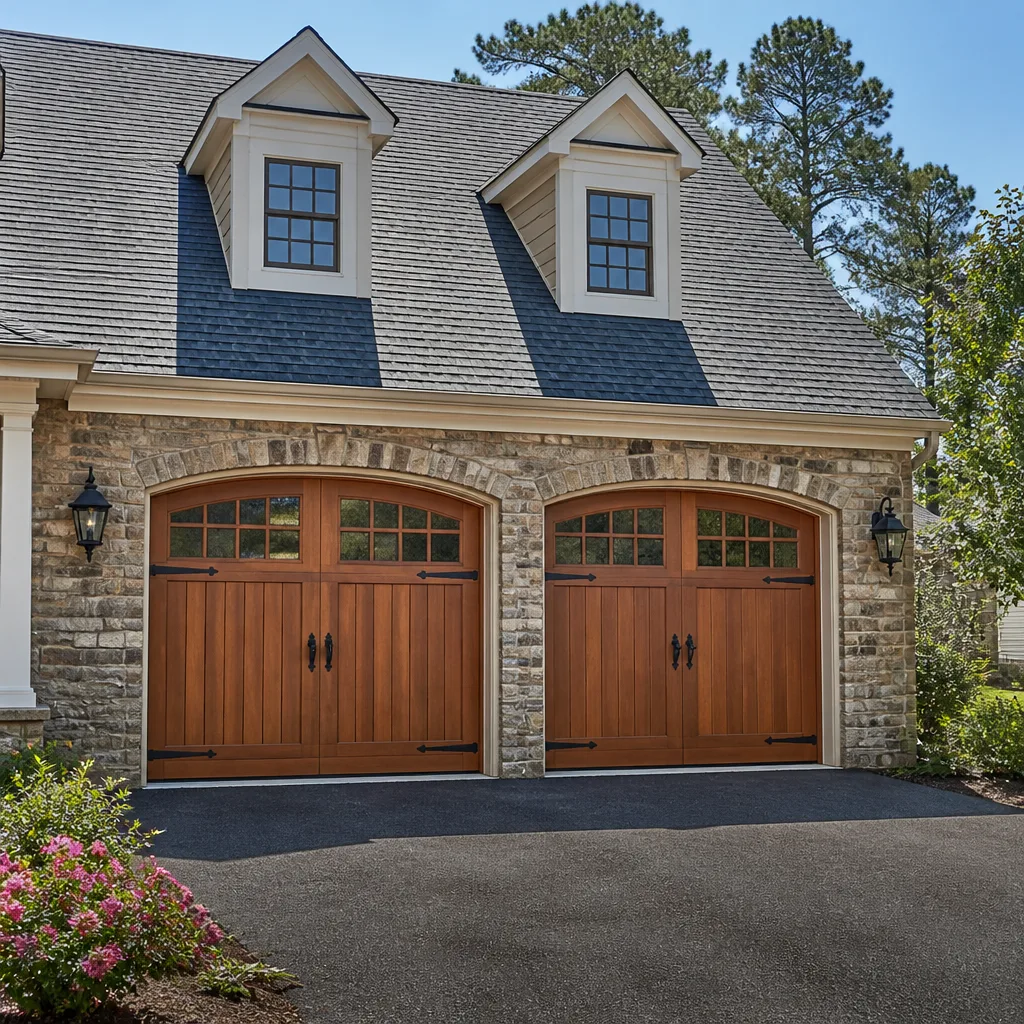 Carriage house
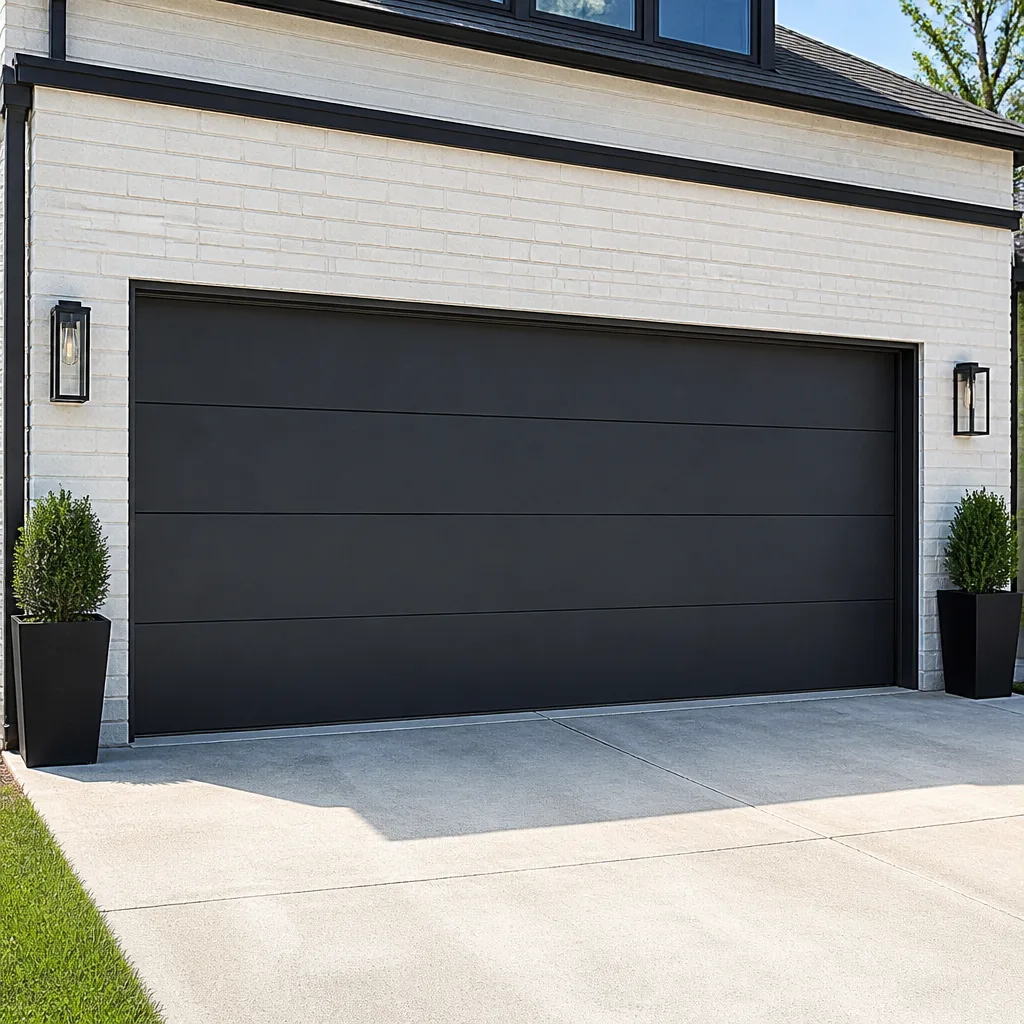 Modern flush
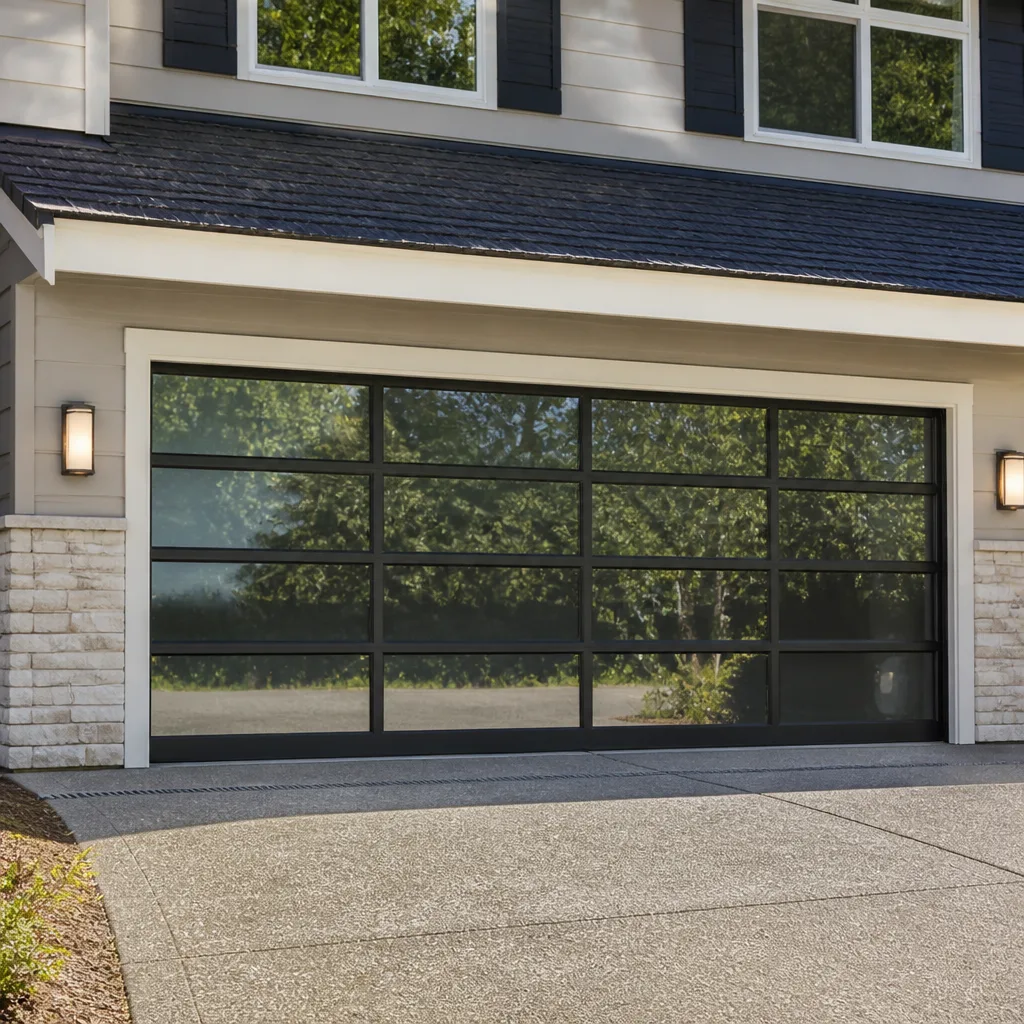 Full-view glass
 LiftMaster openers
 Chamberlain openers
Full 25-point door and opener safety check with every visit - springs, cables, rollers, tracks, and your LiftMaster or Chamberlain opener included
You get a price before we start. It does not change when the pro arrives.
Get your free estimateHow to Hire a Garage Door Contractor in Orland Park: A Step-by-Step Guide
Illinois doesn’t issue a specific garage door contractor license, and that changes everything about how you hire. The person who quotes your spring replacement may have learned the trade last month, or may have spent years diagnosing torsion systems – and nothing on their truck signage tells you which. This guide gives you the four phone questions that separate specialists from generalists, explains what “licensed and insured” actually protects you against, and shows you how to compare two quotes without getting fooled by the lower number. By the end, you’ll be able to vet a garage door contractor in Orland Park in about 20 minutes, before anyone pulls into your driveway.
Quick Answer
To hire a garage door contractor in Orland Park, ask four diagnostic questions on the phone (brand familiarity, spring type, how they handle a door off its tracks, and whether they itemize parts versus labor), verify their insurance documentation in writing, and insist on a written estimate that lists parts and labor separately before any work begins. Because Illinois doesn’t license this trade specifically, your vetting process is the license. The best contractors will welcome the questions; the ones who dodge them are telling you something.
Styles & brands we work with
- Raised-panel steel
- Carriage house
- Modern flush
- Full-view glass
- LiftMaster openers
- Chamberlain openers
Table of Contents
- Why Vetting Matters More in Illinois Than in Licensed States
- How to Verify Insurance (and What Each Policy Actually Covers)
- The Four Phone Questions That Reveal Real Expertise
- Red Flags Specific to Garage Door Work
- How to Compare Garage Door Quotes Correctly
- What a Written Estimate Should Include
- Orland Park Factors: Climate, Housing, and the Local Market
- Repair or Replace? How to Know Before You Commit
Why Vetting Matters More in Illinois Than in Licensed States
Some states carve out a specific license class for garage door contractors. Illinois does not. That means a contractor working on a torsion system in Orland Park operates under general business registration and local permitting rules, not a dedicated trade license – so consumers have to do the vetting themselves. We’ve seen the results of skipped vetting: doors balanced by feel instead of measurement, springs sized wrong for the door weight, openers wired to the wrong torque settings. None of it shows up in the first week.
The upside: because there’s no state license to check, the good contractors are easy to spot. They volunteer details. They ask you questions about the door before they quote. They send a written estimate without being asked twice. The ones who don’t are also easy to spot, if you know what to look for.
What you’re really checking for is a specialist, not a generalist. A handyman who “does doors too” may be perfectly competent at hanging a shelf and completely out of their depth with a high-tension spring. Garage door work is its own ecosystem: springs, cables, drums, hinges, rollers, tracks, openers, sensors, and the balance relationships between all of them. A company that works only in this ecosystem – garage door repair and nothing else – recognizes patterns that a generalist will be discovering on your door for the first time.
Start your list with companies that can name the brands they service without checking a manual. Today’s doors and openers come from a handful of major manufacturers, and the systems behave differently: a Wayne Dalton door from the early 2000s balances differently than a newer Clopay, and a LiftMaster opener with a battery backup needs different sensor troubleshooting than a basic Craftsman chain drive. We’re certified to service eight major brands, and that breadth is the whole point – we work on the system you already own rather than steering you toward a replacement.
How to Verify Insurance (and What Each Policy Actually Covers)
You’ve probably been told to “make sure they’re insured.” Most homeowners don’t know what that means in practice, or which policy protects them from what. There are two distinct types of coverage, and they protect you against different things. Ask for both, in writing, before anyone starts work.
General Liability Insurance
General liability covers damage to your property and to other people who aren’t working for the contractor. If a technician drops a door section onto your car, or a falling track damages your garage wall, general liability is the policy that pays. It also covers a visitor who gets hurt because of the contractor’s work.
Look for a certificate of insurance that names the policyholder correctly and shows the coverage is active. A contractor who hesitates to send it, or sends something that looks manually edited, is worth skipping.
Workers’ Compensation Insurance
Workers’ comp is the one that protects you. If a technician is injured on your property – and garage door work carries real injury risk, particularly with high-tension springs – workers’ comp pays their medical costs and lost wages. Without it, the injured worker may look to your homeowner’s policy or to you directly.
This is why “I work alone, I’m fine” isn’t reassuring. If the company sends any employee to your property, ask for workers’ comp documentation. If they’re truly a sole proprietor with no employees, ask how they handle injury coverage, and factor that into your comfort level.
How to Ask for It
- Request the certificates by email before scheduling the visit.
- Confirm the company name on the certificate matches the company name on your quote.
- Check the expiration dates – coverage must be active on the day of the work.
- Keep a copy with your written estimate.
In our experience, the contractors worth hiring send documentation without pushback. The ones who say “we’ll bring it the day of” are the ones who rarely have it to bring.
The Four Phone Questions That Reveal Real Expertise
You can separate a specialist from a generalist in about five minutes on the phone, before anyone comes out. These four questions work because a competent garage door technician answers each one with specifics – and a generalist answers with hesitation or a pivot. Ask them exactly as written.
Question 1: “What brands do you work on?”
The best answer is a list, said without looking anything up. Garage door systems vary by brand – Wayne Dalton torsion systems differ from Raynor assemblies, and opener logic boards differ between LiftMaster, Chamberlain, and Genie. A contractor who works only in this trade can name the brands they service and explain how they approach each one. A contractor who says “we can work on anything” without naming systems is guessing. Ask which brand of opener they see most often in Orland Park and why – the answer tells you whether they actually do this work here.
Question 2: “What brand of spring do you use, and why?”
This is the competence question, and the way they answer matters more than the brand name itself. A specialist will explain that spring quality is about cycle rating, wire gauge, and oil-tempered versus galvanized stock – and will describe why they use the grade they use. A generalist will say “whatever the supply house has.”
Spring grade is where cheap quotes are made. A low-cycle-count spring can look identical to a quality one on the invoice but fail years earlier, and the labor is the same either way. The company absorbs the savings; you absorb the replacement three years later. A technician who can talk about spring grade without a script knows the stakes.
Question 3: “My door is off its tracks. What do you do?”
The right answer sequences the diagnosis and the safety steps: secure the door so it can’t fall, inspect the cables and drums for slack or damage, check whether the tracks or the panels were displaced, and address the underlying cause (a failed bearing, a bent track, a broken spring) rather than just nudging the door back into place. If the door is off its tracks, this is genuinely dangerous – a door under spring tension that jumps a track can injure someone. The answer you want is calm, specific, and puts safety first.
Question 4: “Will you itemize parts versus labor?”
Some contractors blur the two to mask margin. Ask straight out whether the estimate will list parts and labor separately. The best answer: yes, and the estimate will name the hardware, the spring cycle rating, and the labor line. This question also tests whether you’ll get a written estimate at all – and it’s the one most likely to expose a contractor who plans to quote verbally and settle up after the fact.
Red Flags Specific to Garage Door Work
General contractor red flags apply here too – no written estimate, vague pricing, pushy sales. But garage door work has its own warning signs. Any one of these should make you look elsewhere.
- Quoting a spring or opener job over the phone without seeing the door. A written price can’t be fixed without knowing the door weight, spring type, and opener setup. A phone number is a guess; a written quote comes after a look at the door. Curiosity on the phone is good; a firm number is not.
- Recommending full replacement before diagnosing the actual failure. Most doors that “won’t open” have a failed spring, a dead opener, a sensor misalignment, or a snapped cable. All of those are repair jobs. A contractor who jumps to replacement has stopped diagnosing and started selling.
- Refusing to itemize parts and labor. Blurred line items make it impossible to compare bids and impossible to know what fails if something does. Ask for the breakdown in writing.
- Spring replacement for one broken spring when the pair should be replaced together. A matched pair is usually replaced at the same time because the two springs share the load. Ask whether both are being replaced, and whether the price covers one spring or a pair.
- Openers that aren’t wired or calibrated to the door. An opener that’s too strong for the door’s weight will stress the whole system. Ask how the opener will be calibrated to the door, not just installed on it.
- No mention of safety testing at the end of the job. A door should be tested for balance and for the reverse-on-contact feature before the contractor leaves. A technician who doesn’t mention testing is telling you how the visit will end.
- A price you can’t get in writing. In Orland Park and everywhere else, a verbal estimate is worth what you paid for it.
How to Compare Garage Door Quotes Correctly
The lowest number is the one to look at hardest. Garage door quotes can differ by a few hundred dollars on what looks like the same job, and the difference almost always comes down to what’s inside the number – not efficiency, not a better deal. Here’s how to line up two quotes and see what you’re actually getting.
Line Up These Items Side by Side
- Spring type and cycle rating. Ask for the spring’s cycle rating in writing. A high-cycle spring may cost more; the low-cycle one fails sooner.
- Matched pair versus single spring. A quote for one spring is not the same job as a quote for a pair. Confirm which you’re getting.
- Hardware named or skipped. New hinges, rollers, and cables add to a bid but replace wear parts. A quote that skips them is not a better price on the same job.
- Opener model and features. Belt versus chain drive, battery backup, Wi-Fi versus basic – these change the price for real reasons. Compare the model name, not just the brand.
- Labor line versus parts line. Itemized quotes show you how much you’re paying for what.
- Warranty terms. Ask what’s covered, for how long, and whether the warranty is on the part, the labor, or both.
Why the Lowest Number Often Isn’t the Cheapest
A lower bid usually reflects cheaper spring stock, skipped hardware, or narrower labor coverage. We’ve seen the pattern many times: a spring swap done with a low-cycle spring at a lower price, and a failure years down the road when the homeowner is on a tighter budget. The right number is the one where the parts are named, the labor is fixed, and the warranty is clear. If two quotes for the same job are genuinely different in scope, ask the higher bid to walk you through what’s included. Then compare what each will actually deliver.
A Short Table Format
Comparing on a single sheet is worth ten phone calls. Make one column per bid and one row per line:
- Date of estimate, contractor and contact
- Diagnosis and proposed work
- Spring type / cycle rating (if applicable)
- Single spring or matched pair
- Parts listed and priced separately
- Labor line, priced separately
- Opener model and features (if applicable)
- Warranty terms
- Insurance certificate received
- Written estimate received
The bid that fills every row is the one you can act on. The bid with holes in it may be cheaper, but it isn’t the same job.
What a Written Estimate Should Include
A written estimate is the line between a professional contractor and a gamble. Get one before any work starts, and read it before you sign off. At minimum, it should include the following:
- The diagnosis in plain terms. “Failed right-hand torsion spring” or “door off track due to bent lower roller carriage” – not “door issue.”
- The proposed work. What will be replaced or adjusted, and why.
- Parts itemized. Spring type and cycle rating (or opener model and features). Named hardware where relevant.
- Labor priced separately. Not bundled into a single number.
- The total, clearly stated. The price you’ll pay if the work goes as described.
- What’s not included. What happens if a hidden failure appears mid-job – what the contractor found, what it will add, and whether they’ll call you before continuing.
- Warranty terms. What’s covered and for how long.
Ask one more question before work starts: “If you find something additional, will you stop and quote again before doing work?” The best answer is yes. The second-best answer is a clear process for how you’ll be told. The worst answer is a shrug.
One thing to be clear on with any garage door contractor in Orland Park: the written estimate should set the final price. Ask for that in writing. The number you sign off on is the number you should see on the invoice, absent a documented change in scope.
Orland Park Factors: Climate, Housing, and the Local Market
Orland Park sits in a part of Illinois that sees real seasonal swings – cold winters, ice, summer heat, and the kind of humidity that can stress metal hardware over time. That matters for your garage door because the door is one of the few things on your house that moves under spring tension every single day. Spring steel fatigues faster in cold weather, and opener mechanisms work harder when temperature swings force the door to expand and contract. The practical takeaway for a homeowner here is to schedule maintenance or a checkup before the hardest months rather than waiting for a failure.
The housing stock in Orland Park matters too. Many homes in the Lakeview and Old Orland neighborhoods date from earlier decades, which means you’re likely to find a Wayne Dalton or an older Craftsman opener still in service – brands that behave differently from the newer systems on the market. A technician who works across brands will know the failure patterns of an older system versus a newer one, and will help you decide whether a repair makes sense before the door’s structure is past saving. Newer development stock in areas like Centennial and Mallard Lake often runs to slightly newer systems, but the value of a specialist remains the same.
On the market side, Orland Park has both dedicated garage door companies and generalists who will take the work. You’ll see bids that look similar and bids that don’t. The way to compare is the vetting we’ve covered. In our experience, the companies worth hiring are the ones that answer the four phone questions with specifics and can walk you through the trade – that’s why we work only in the garage door ecosystem, from garage door spring repair through garage door opener repair and installation. Every service lives inside this trade, so there’s no second vendor to find.
Repair or Replace? How to Know Before You Commit
A specialist will diagnose before recommending a new door. That’s the standard, and it’s the one to hold any contractor to. Some failures that sound like replacements are repairs: a snapped spring, a dead opener, a door that’s off its tracks. Others are genuine replacements: structural damage to multiple panels, a track system that’s worn past adjustment, or a door whose springs and hardware are all at the end of their lives. The difference is determined by looking at the door, not by asking about it.
Ask three questions during the visit. First, what specifically has failed, and can the contractor point to it on the door? Second, is the door’s structure still sound, or is the frame, track, or a panel damaged beyond repair? Third, what’s the realistic outcome of a repair versus a replacement over the next few years? A specialist answers all three in specifics. A company that opens the conversation with “you probably need a new door” before they’ve diagnosed anything is selling.
If the answer is replacement, that’s a different process from a repair – measured, ordered, and scheduled. Ask for a free measure and a written price, and expect the same itemization you’d ask for on a repair. If the answer is repair, ask for a written estimate with the same seriousness. Orland Park Garage Door Repair covers the full cycle, so a repair that reveals a door beyond saving doesn’t require finding a second company. Call (888) 569-6449 for a free estimate.
Common Mistakes to Avoid
- Hiring on price alone. A bid that’s low because the spring stock is cheaper or the hardware is skipped isn’t a deal – it’s a future repair. Compare what’s inside the number.
- Skipping the insurance check. Ask for general liability and workers’ comp documents in writing, and confirm the company name matches your quote.
- Accepting a phone quote for a spring or opener job. A written price requires a look at the door. A verbal number is a placeholder, not an estimate.
- Allowing one spring to be replaced when the pair is due. Ask whether the price covers one or both, and confirm which you’re getting in writing.
- Not asking for the spring’s cycle rating. The rating is the durability spec, and it’s where a cheaper bid is usually cheaper. Ask for it by name.
- Assuming a replacement is required before diagnosis. Most “the door won’t open” calls are repair jobs. Ask what specifically failed before agreeing to anything larger.
- Missing the safety test at the end of the job. Ask whether the reverse-on-contact feature and the door balance will be tested before the contractor leaves. If it’s not tested, it’s not finished.
See the difference
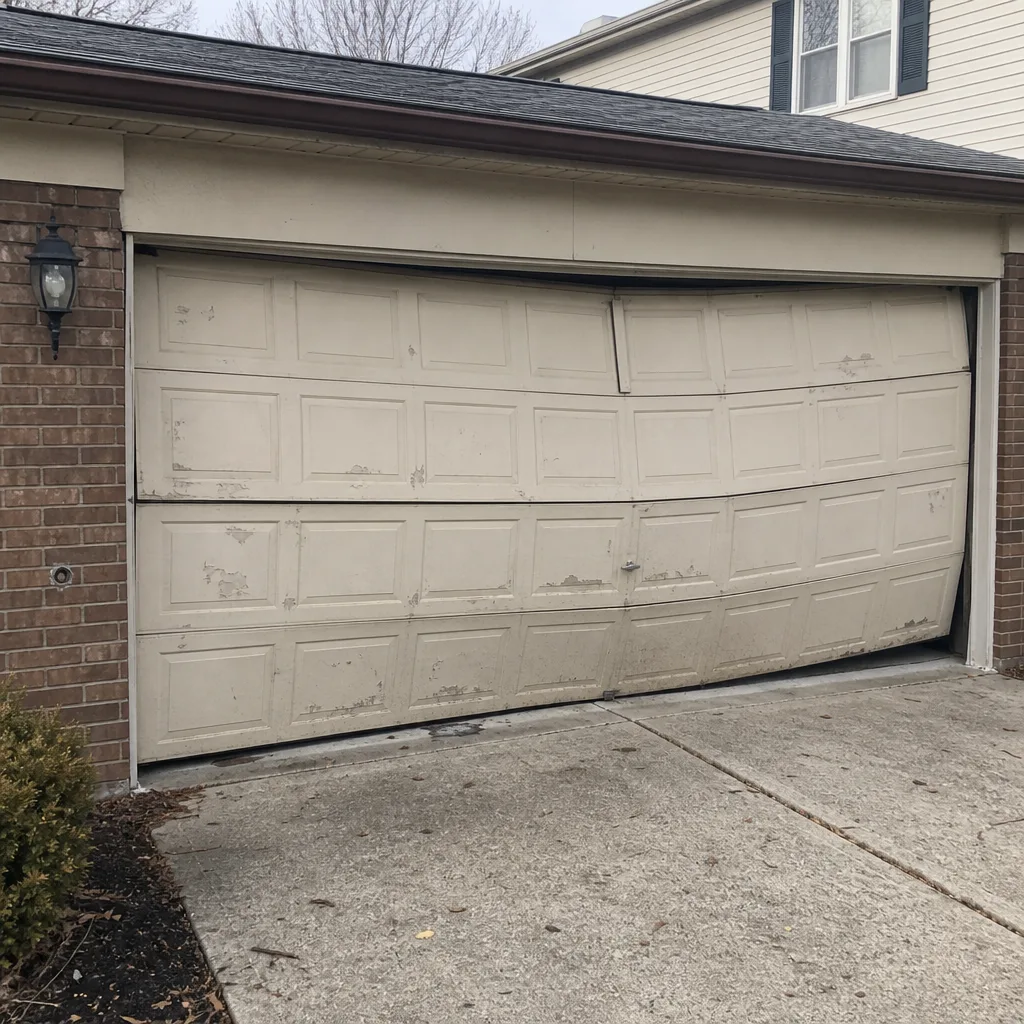 Before
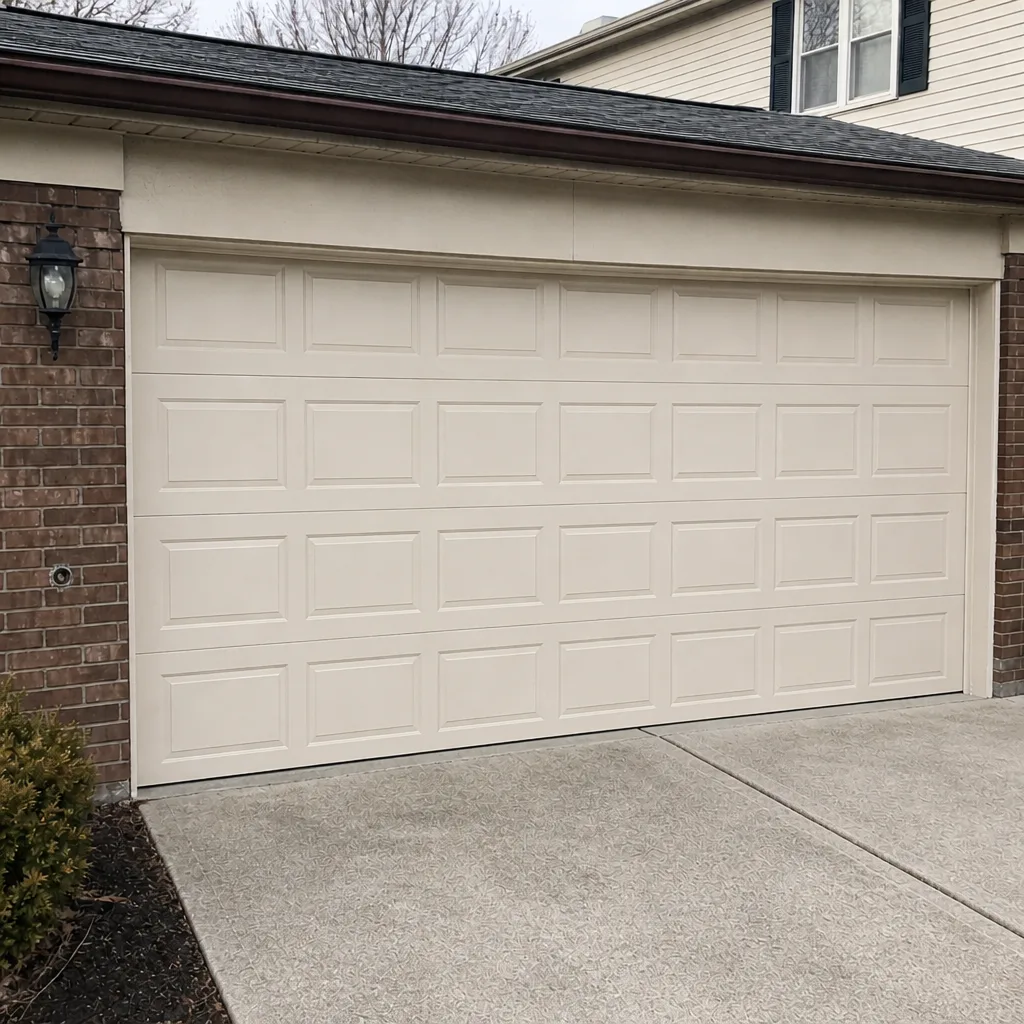 After
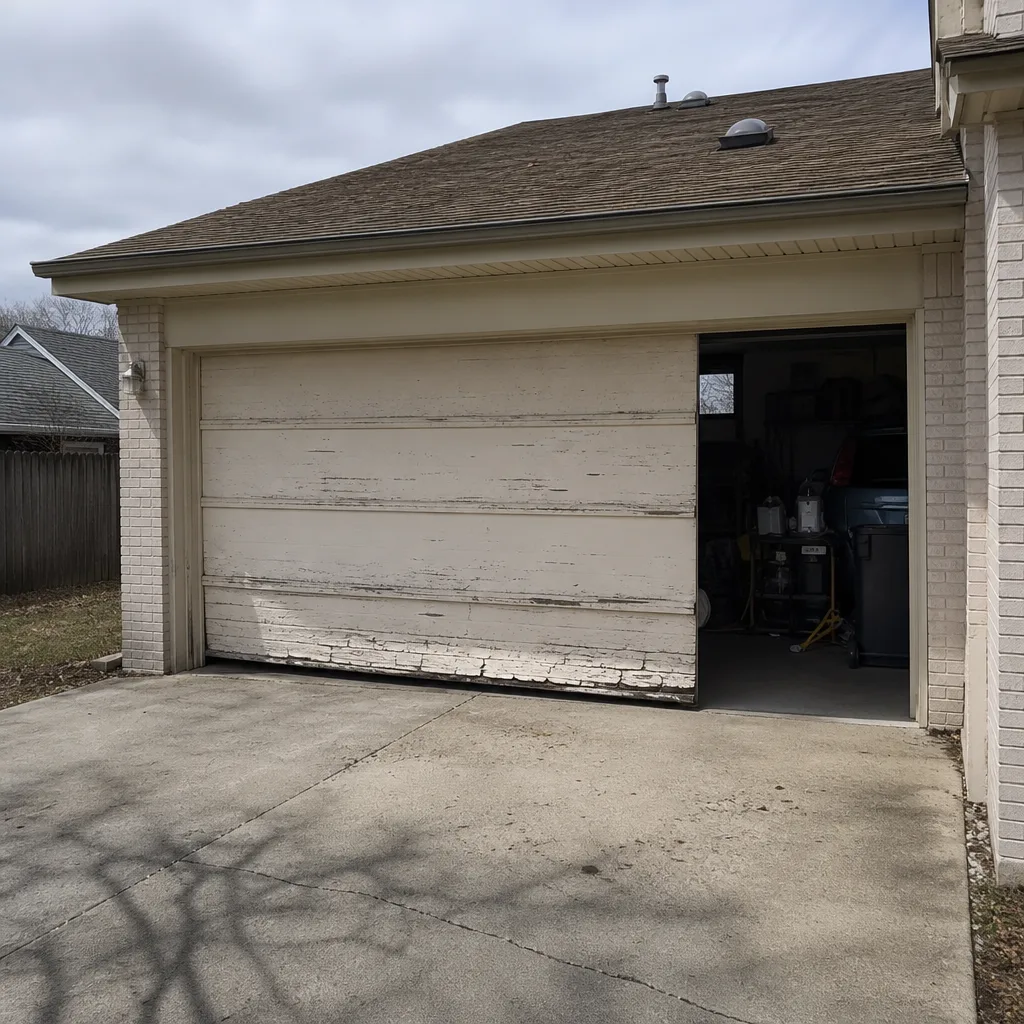 Before
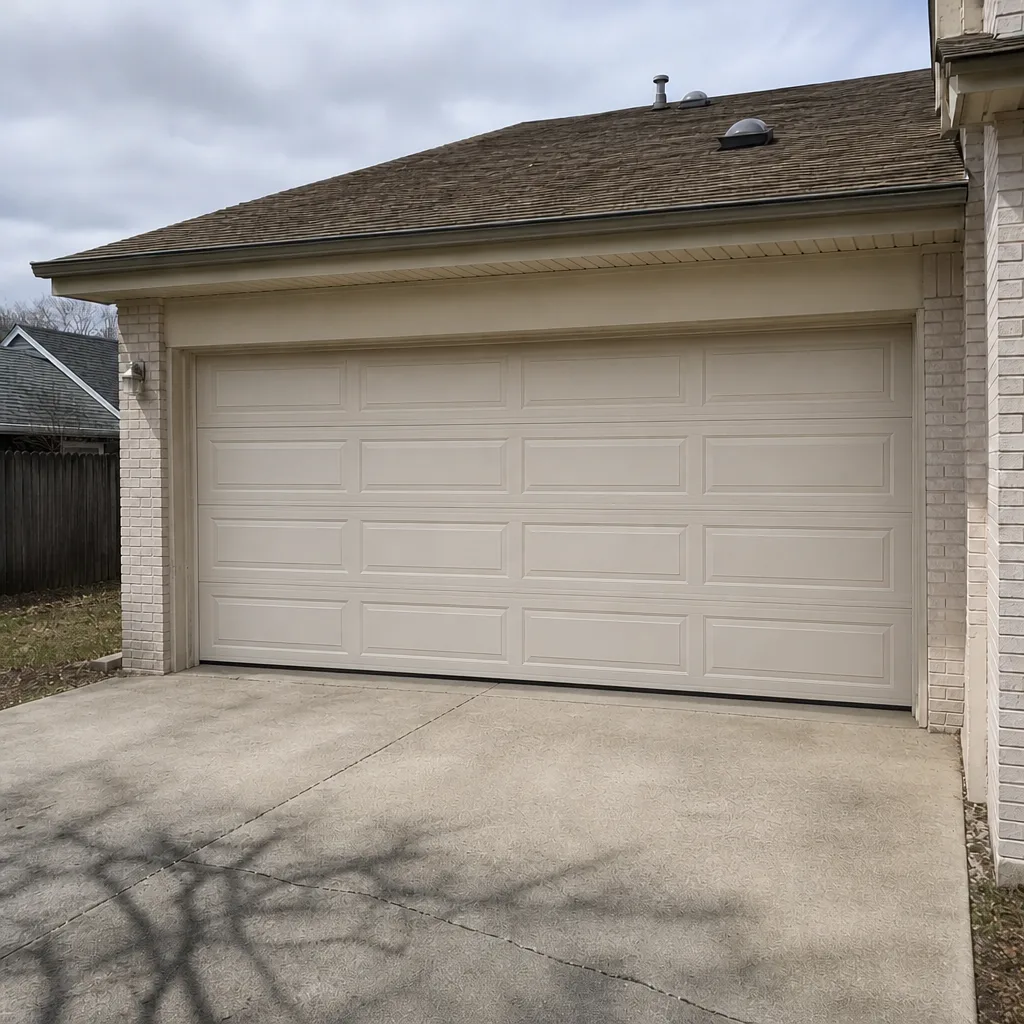 After
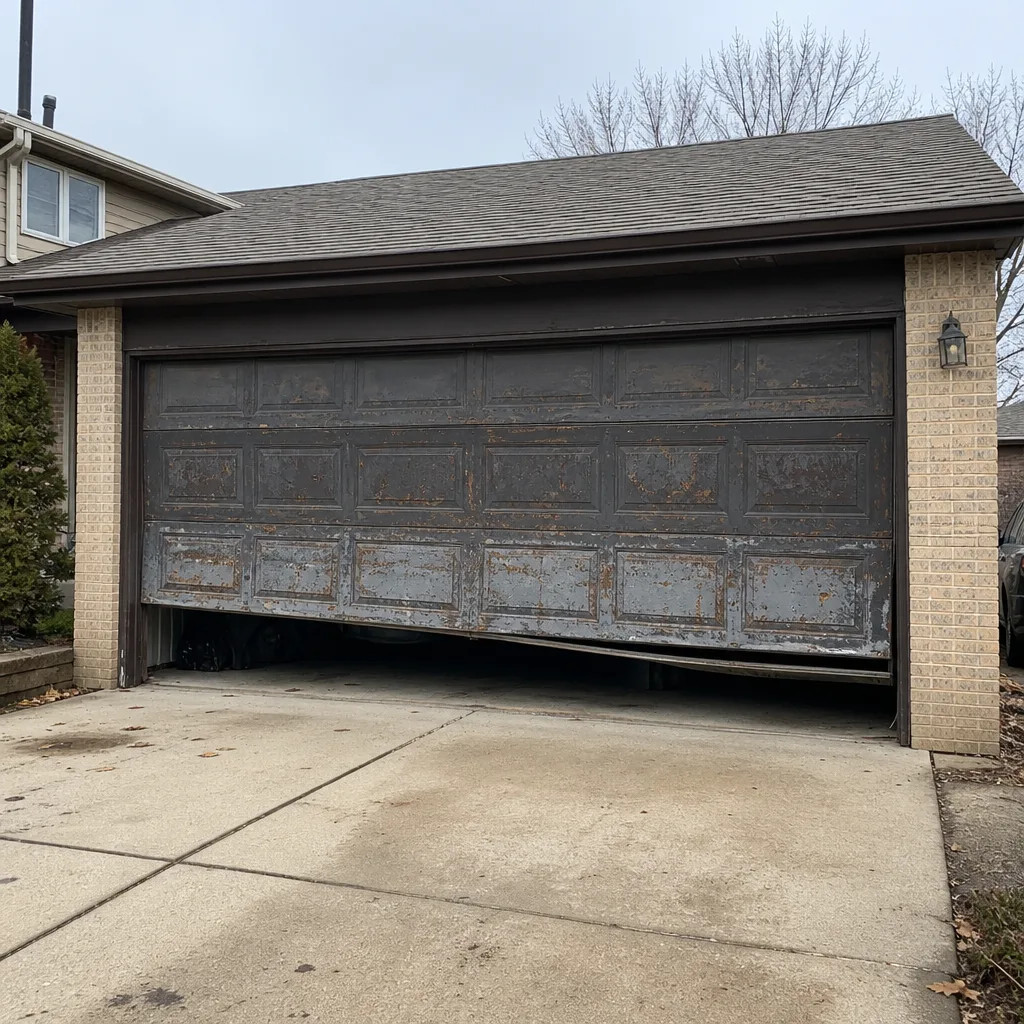 Before
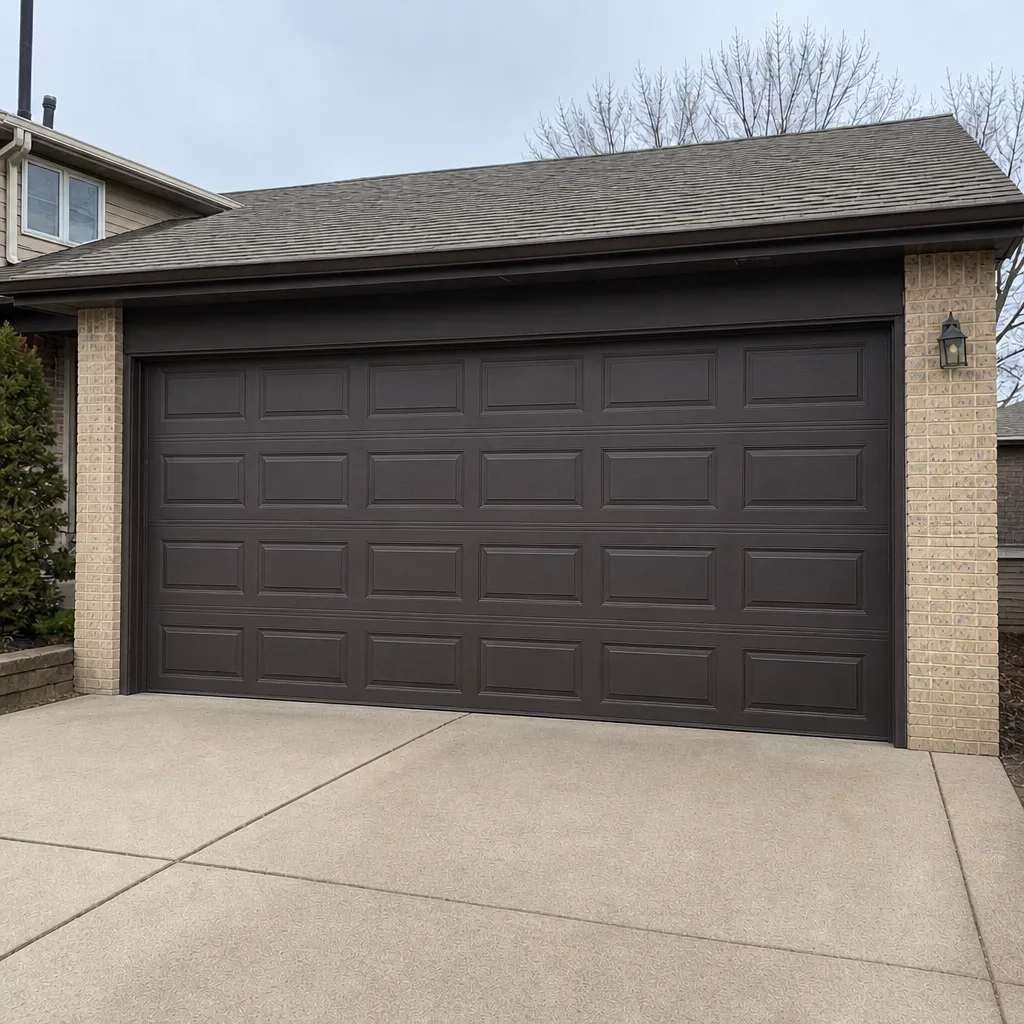 After
When to Call a Professional
Some garage door failures are a nuisance; others are genuinely dangerous. If the door won’t open or close, if it’s coming down uneven or slamming rather than reversing, if you see a snapped spring or a slack cable, or if the door is off its tracks, stop using it and call a professional. High-tension springs and cables store serious energy, and the wrong tool or the wrong hand position can cause injury. That’s one reason we handle spring work directly rather than passing it out – it’s the work most generalists decline, and it’s exactly the work that needs doing right.
Orland Park Garage Door Repair offers free estimates in Orland Park. Call (888) 569-6449 – we can respond same-day for emergency calls and quote the price before any work starts. Our technicians have up to 13 years of experience, and we work on the systems you already own. When the door won’t move, we do.
Frequently Asked Questions
You vet them yourself, using insurance documentation and four phone questions. Ask what brands they work on, what spring brand they use and why, how they handle a door off its tracks, and whether they’ll itemize parts versus labor. Verify general liability and workers’ comp in writing, and require a written estimate before work starts. Call (888) 569-6449 for a free estimate – we’ll walk you through all four questions on the phone.
Ask four things: which brands they service, what brand and grade of spring they use and why, how they handle a door off its tracks, and whether they’ll separate parts and labor in the written estimate. Each answer tells you whether you’re talking to a specialist or a generalist. Ask about insurance documentation too, and confirm they’ll send it before the visit.
Illinois doesn’t issue a specific garage door contractor license, so the answer depends on the company – some carry general liability and workers’ comp, some don’t. Ask for both certificates in writing, confirm the company name on the document matches your quote, and check expiration dates. Don’t schedule work with a contractor who won’t send documentation. Call (888) 569-6449 with questions about what to ask.
Compare line by line: spring type and cycle rating, matched pair versus single spring, hardware named or skipped, opener model and features, labor priced separately, and warranty terms. The lowest number is often the one that skipped hardware or used cheaper spring stock. Ask the higher bid to explain what’s included – then compare what each quote will actually deliver.
Walk away from any contractor who quotes a spring or opener job over the phone without seeing the door, recommends full replacement before diagnosing the failure, refuses to itemize parts and labor, or won’t put the price in writing. Those four signs usually appear together, and any one of them is enough to look elsewhere. A specialist is happy to be asked – a generalist usually isn’t.
It shouldn’t change without your agreement. A written estimate should set the final price, with a clear process for notifying you if a hidden failure appears during the job and whether you’ll be quoted again before work continues. Ask for that process in writing. Call (888) 569-6449 for a free estimate from a garage door specialist – price quoted and agreed before any work starts.
The Bottom Line
Hiring a garage door contractor in Orland Park comes down to four phone questions, two insurance documents, and one written estimate that itemizes parts and labor. Ask what brands they work on, what spring grade they use and why, how they handle a door off its tracks, and whether they’ll separate parts from labor. Verify general liability and workers’ comp in writing. Require a written estimate that names the parts, the labor, the warranty, and the process for any change in scope – and confirm the price is quoted and agreed before any work starts. Then compare bids on what’s inside the number, not on the total alone. The contractor who answers all four questions with specifics is the one worth hiring.
Orland Park Garage Door Repair works only in the garage door trade – repair, openers, springs, and installation – and we service the brands you already own, including LiftMaster, Chamberlain, Genie, Clopay, Amarr, Wayne Dalton, Craftsman, and Raynor. Our technicians have up to 13 years of experience. Call (888) 569-6449 for a free estimate, and we’ll walk you through the four questions before anyone pulls into your driveway.
Written by the team at Orland Park Garage Door Repair.