Last updated November 22, 2026
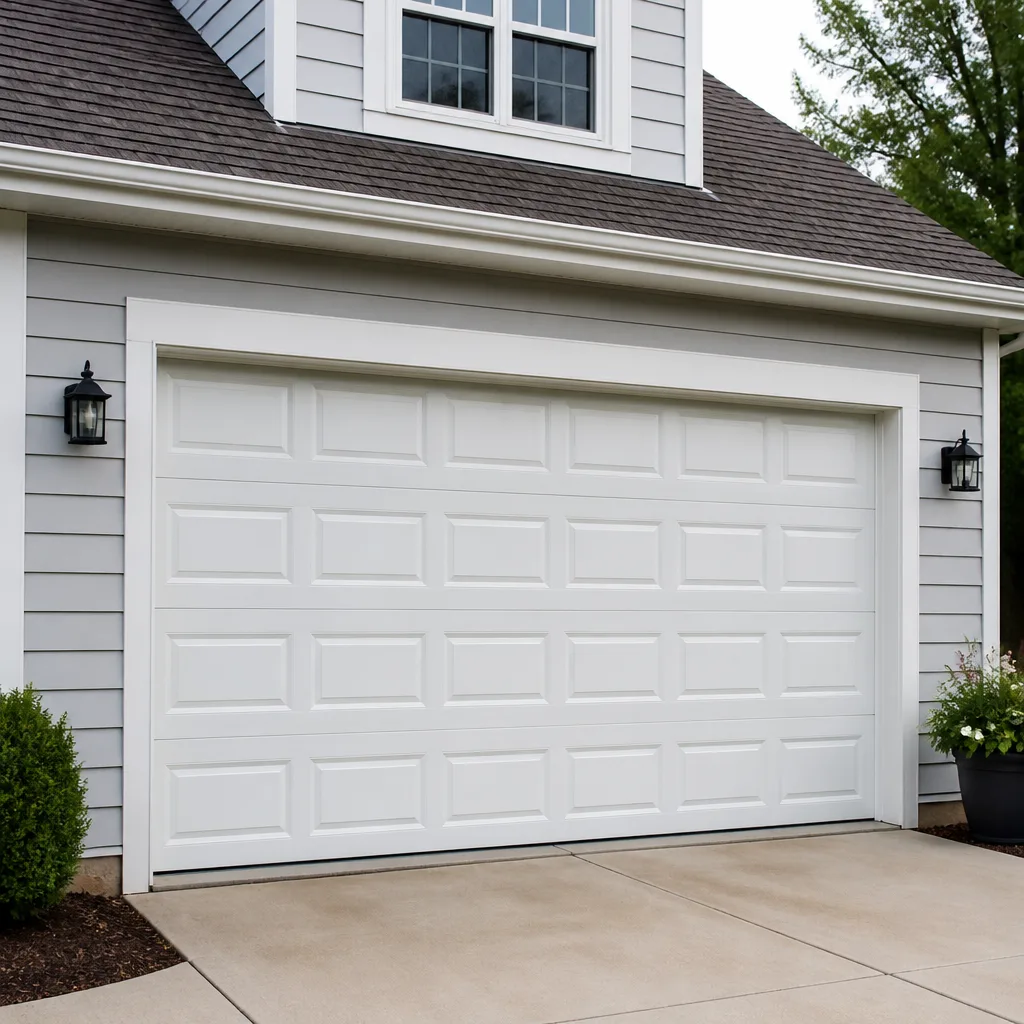 Raised-panel steel
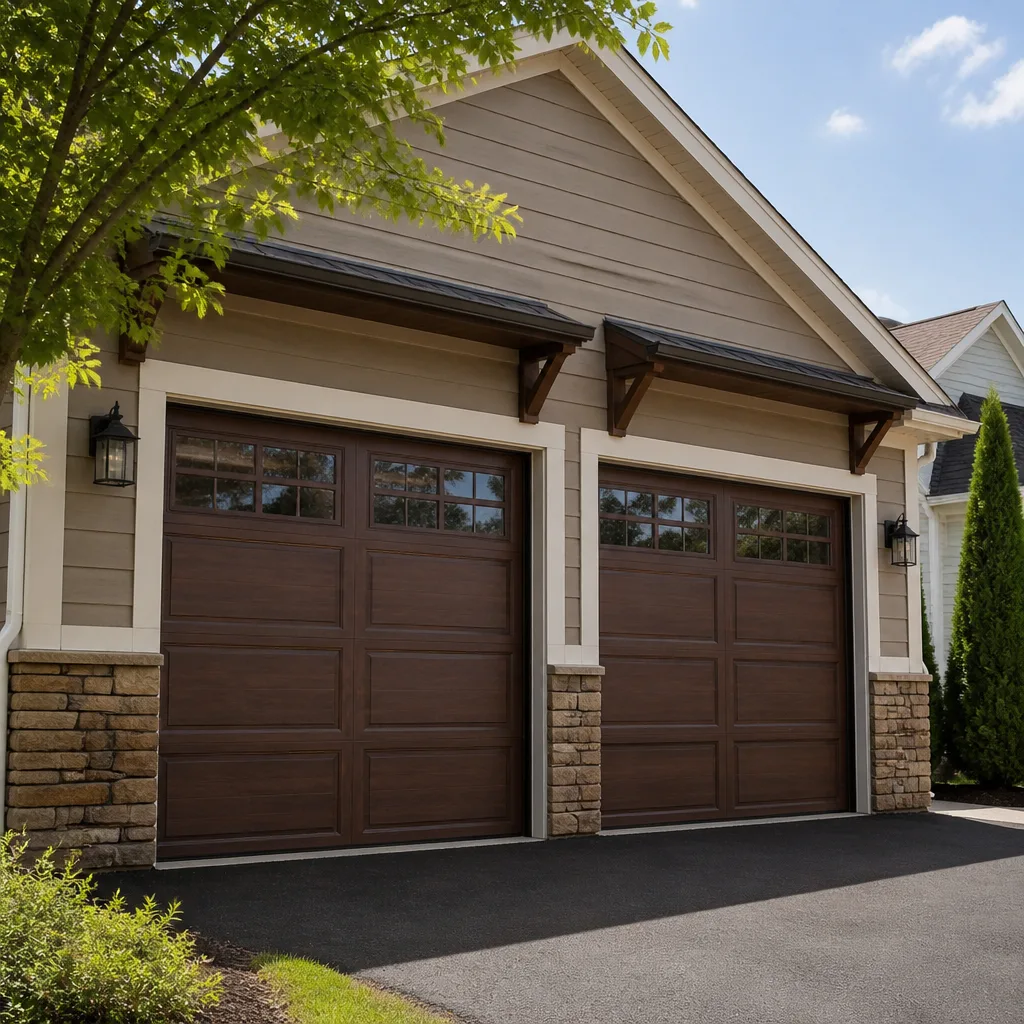
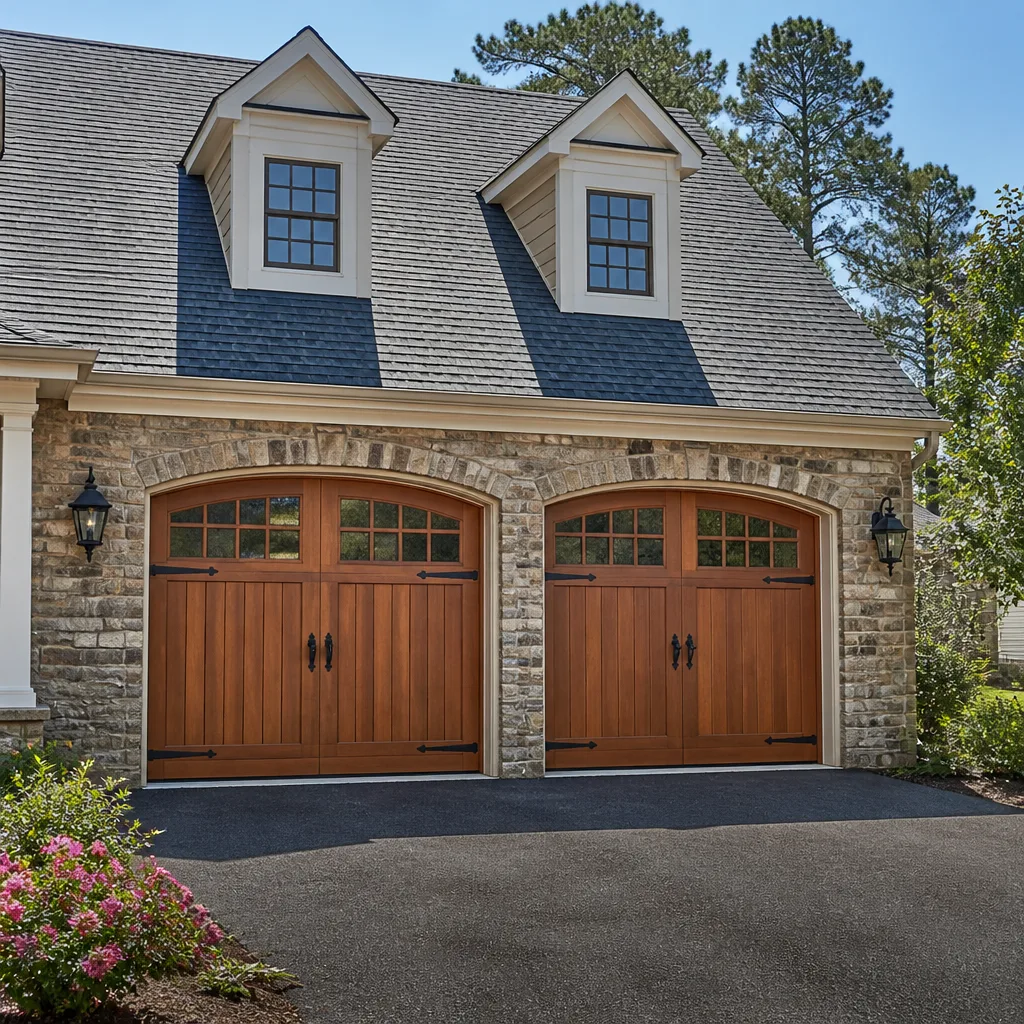 Carriage house
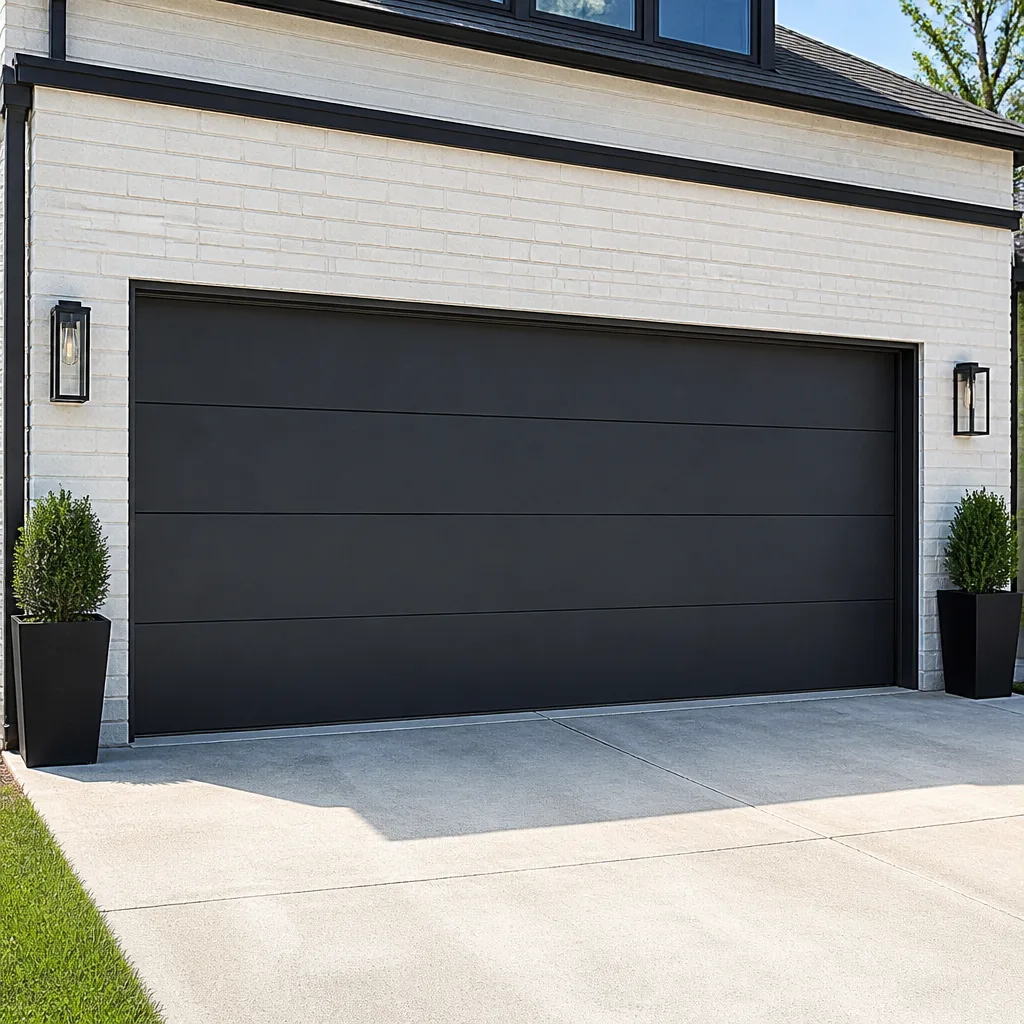 Modern flush
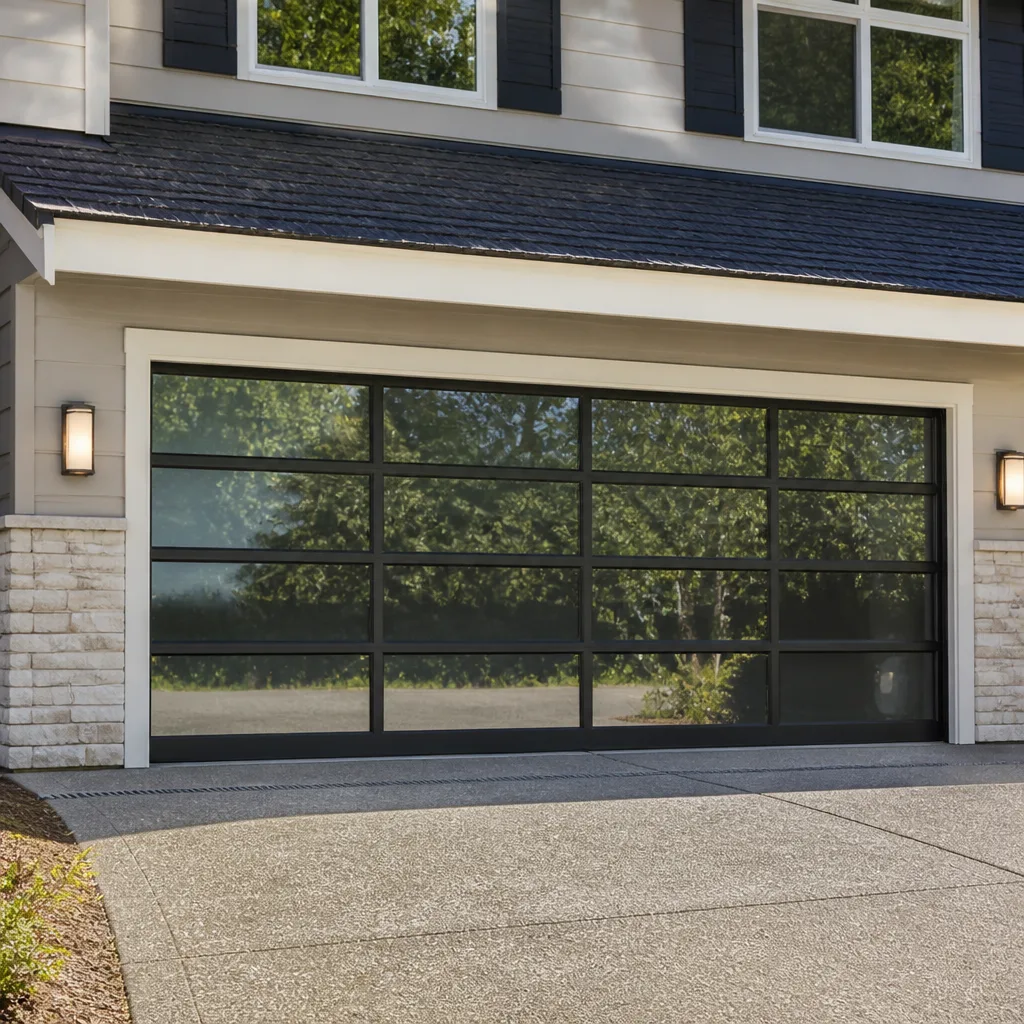 Full-view glass
 LiftMaster openers
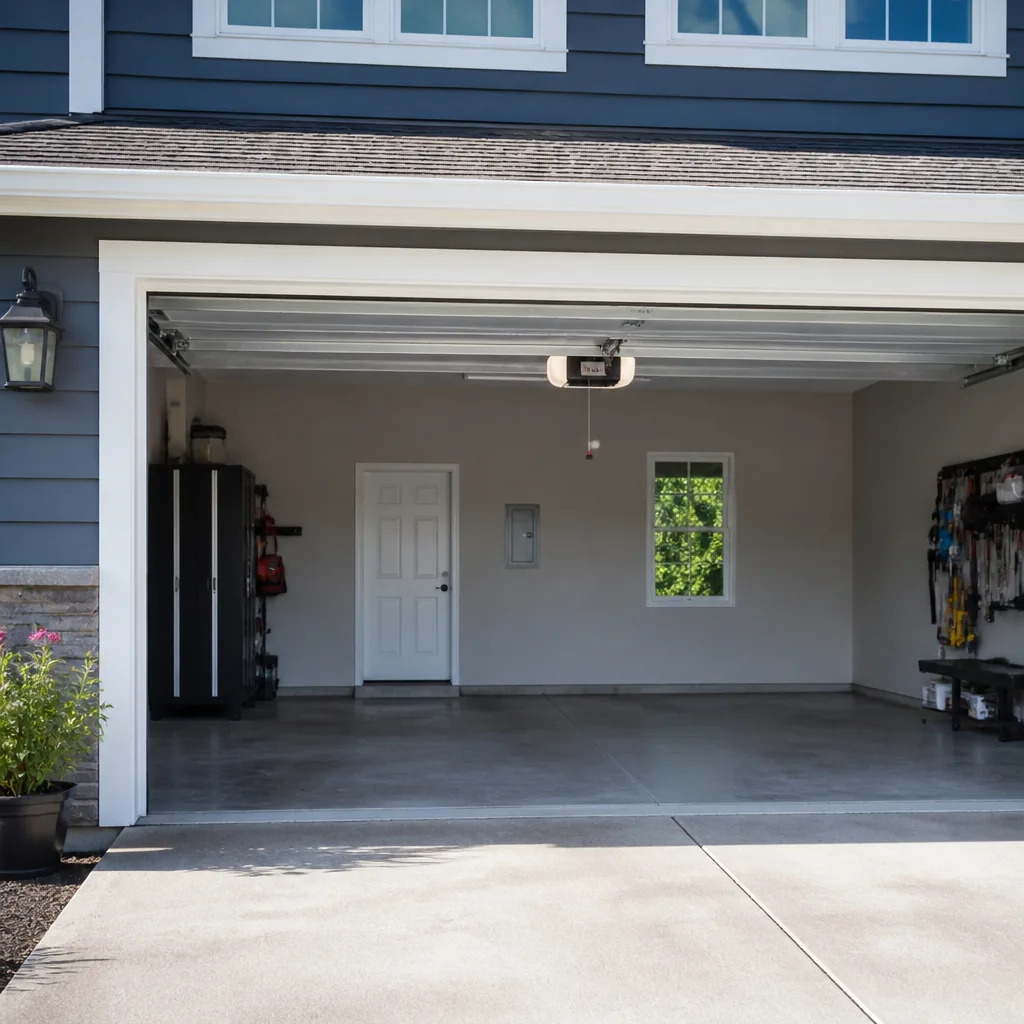 Chamberlain openers
Full 25-point door and opener safety check with every visit - springs, cables, rollers, tracks, and your LiftMaster or Chamberlain opener included
You get a price before we start. It does not change when the pro arrives.
Get your free estimateSeasonal Garage Door Care for Orland Park: Year-Round Homeowner’s Guide
Most garage door advice tells you to do one annual checkup and forget about it. That advice fails in Orland Park, where the door works through four genuinely different seasons. A torsion spring that’s perfectly adjusted in June is under a very different load in February. A bottom seal that keeps rain out in April can freeze to the floor in a January cold snap. The homeowners who spend the least on garage door repairs are the ones who do one small, seasonally timed task in the right month instead of a vague list in no particular month. This guide walks through each season on the calendar for this village specifically, with the timing, the tasks, and the warning signs that say call a specialist.
Quick Answer
Seasonal garage door care in Orland Park comes down to four windows: in October, before the first hard freeze, adjust springs and lubricate everything that moves; in midwinter, protect the bottom seal from freeze-down and keep the opener from straining; in early spring, after the thaw, inspect tracks and hardware for the shifts winter left behind; and in summer, treat rubber seals and wood joints for sun and humidity damage. Do those four things and you avoid most of the expensive failures we get called out for. Skip them and the system usually tells you it’s unhappy at the worst possible moment, on a morning when the car is full and the door won’t move.
Styles & brands we work with
- Raised-panel steel
- Carriage house
- Modern flush
- Full-view glass
- LiftMaster openers
- Chamberlain openers
Table of Contents
- Fall in Orland Park: The Last Safe Window for Spring and Hardware Adjustments
- Winter Failures: Freeze-Down, Cold Opener Strain, and Why You Never Force a Frozen Door
- Spring Thaw: Inspecting Tracks and Hardware After the Freeze Cycle
- Summer in Orland Park: UV on Rubber Seals and Humidity on Wood Panels
- The Month-by-Month Garage Door Reminder Calendar
- What Seasonal Care Looks Like on the Brand You Already Own
- What You Can Do Yourself and What You Shouldn’t Touch
- Common Mistakes to Avoid
- When to Call a Professional
- Frequently Asked Questions
Fall in Orland Park: The Last Safe Window for Spring and Hardware Adjustments
October is the most important month on the calendar here, and the reason is simple. Once overnight temperatures start dipping below freezing consistently, every adjustment involving spring tension gets riskier and less predictable. The steel itself behaves differently. A torsion spring that’s already near the end of its cycle life is squeezed a little further by the cold, and the balance point you tuned in warm weather can shift by the time the first real freeze arrives.
That’s why the fall care window is the time to act, not the time to wait and see. Concretely, here’s what a proper October check covers:
- Spring condition and balance. With the door disconnected from the opener, lift it to the halfway point. If it doesn’t hold there without help, the springs are out of balance and need attention from someone who does garage door spring repair as a specialty.
- Lubrication on all moving metal. Rollers, hinges, and the torsion bar get a light application of a garage-door-rated lubricant. Not WD-40, which attracts dust and gums up in cold.
- Weatherstripping inspection. Look at the bottom seal and the side and top weatherstripping. Any crack or gap becomes an air leak in January and a water entry point in March.
- Opener force and travel. Check the opener’s force settings if yours has them. A door that strains to close in October will strain harder in January.
- Hardware tightness. Brackets, hinges, and track bolts all loosen over a summer of cycles.
The senior homeowners in neighborhoods like Orland Hills and the older sections of the village near the Metra stations often have doors that haven’t had a proper balance check in years. If you’re calling us for a fall tune-up, that’s the moment to catch a failing spring before it snaps on the coldest morning of the year, not after.
Winter Failures: Freeze-Down, Cold Opener Strain, and Why You Never Force a Frozen Door
Winter is when the failures actually happen. Once temperatures bottom out, three specific problems come up again and again in Orland Park. Knowing each one is worth more than a winter’s worth of guesswork.
Bottom Seal Freeze-Down
The rubber bottom seal is the strip that touches the concrete slab when the door closes. If the slab holds even a thin layer of moisture, that seal can freeze to the floor overnight. When the opener lifts the door, it’s not fighting a stuck door; it’s fighting solid ice. Forcing it tears the seal, pulls the bottom bracket loose, and sometimes yanks the cable off its drum. The right move is to break the ice bond with a gentle lift by hand if the door is disconnected, or to wait for it to thaw naturally. Never let the opener grind away at a frozen door. A garage door repair call after a forced freeze-down is much more expensive than a five-minute seal inspection in the fall.
Cold Opener Motor Strain
Every opener motor works harder in sub-zero temperatures because the grease inside the gearbox thickens and the door itself is heavier. LiftMaster and Chamberlain units usually handle this better than off-brand openers because their force settings are calibrated to compensate. But no opener should be expected to muscle through a door that’s out of balance. If your opener sounds strained in January, the door needs attention, not a higher force setting.
Why You Should Never Force a Frozen Door
Beyond the mechanical damage, a forced lift on a frozen door is a genuine safety event. The spring system stores a huge amount of energy, and releasing it under a stuck load can send the door down hard or send hardware flying. If the door won’t move in winter, treat it as a problem to solve slowly, not a problem to force. If you’re not sure what’s holding it, call us at (888) 569-6449 and we’ll walk you through what to check safely before we arrive.
Spring Thaw: Inspecting Tracks and Hardware After the Freeze Cycle
Once the last overnight freeze passes, usually sometime in April in Orland Park, the door has just come through the hardest test of its year. The freeze-thaw cycle is a real force at the slab level, and the ground beneath the concrete heaves and settles as moisture expands and contracts. That’s why spring track inspection matters so much here in particular. The bottom section of your track is anchored to the concrete, and if the slab has shifted even a fraction, the track can pull out of alignment and the door will start to bind, squeal, or catch on the way down.
Here’s the spring checklist we recommend, in order:
- Run the door up and down slowly with the opener disconnected. Listen for grinding, squealing, or catching. Any change in sound compared to last fall is a signal.
- Check both vertical tracks with a level. They should be plumb. If they look off or the door rolls unevenly, have a professional check whether the anchors need adjustment.
- Inspect the rollers for flat spots. Winter’s cold and short days mean less cycling, so any roller that’s been damaged can hide until spring.
- Wipe the hardware and check for rust. Road salt sits on a garage floor and floats into the air as vapor; over a winter it deposits on hinges, springs, and track surfaces. A quick wipe-and-lubricate in April extends the life of all that metal.
- Check the opener’s safety reverse. Put a small obstruction under the door and confirm it reverses on contact. This is a safety test that should run every season but most often gets skipped.
- Look at the bottom seal again. Winter can tear a seal even if it looks fine in October.
The Orland Park neighborhoods with older concrete driveways and slabs near grade, particularly around the older parts of town and near the creek areas where spring runoff is heavier, see more track misalignment than newer construction. If your door has suddenly started to catch or squeal after the thaw, that’s usually the reason, and it’s a quick fix when caught before the door has cycled hundreds of times out of alignment.
Summer in Orland Park: UV on Rubber Seals and Humidity on Wood Panels
Summer is the season most people assume requires no care at all. The door works, the weather is easy, and nothing is breaking. But the damage that July and August do is quiet and cumulative. Two things matter most.
UV Degradation on Rubber Seals
Rubber weatherstripping and bottom seals break down from ultraviolet light far faster than most homeowners expect. The southern exposure that makes a driveway pleasant in June is the same exposure that dries out and cracks the seal at the bottom of your door. Once it cracks, it stops sealing, and you lose both thermal protection and water resistance. A Craftsman or Raynor door with a straight bottom seal is easy to inspect: run your finger along the seal once a month in summer and look for cracks, brittleness, or a chunk missing. Replacing a bottom seal is a small job; replacing the bottom section of a door because water got into the panel joints is not.
Humidity and Wood Door Panel Joints
If you have a wood or wood-composite door, the humidity swings through an Orland Park summer put stress on every panel joint on the door. Wood swells in the humid months and shrinks in the dry ones. Over several years this causes joints to open slightly, which lets in moisture and lets finish peel. The fix is a full finish inspection each spring or early summer, and a touch-up coat on any joint that shows bare wood. It’s not complicated, but it’s the single most skipped task on wood doors in this climate.
For steel doors, the summer concern is simpler: clean the tracks and wipe down the exterior to remove the dust and pollen that build up. A clean door runs smoother and looks better, and both of those things matter when the seasons turn again.
The Month-by-Month Garage Door Reminder Calendar
The single most useful thing you can do is photograph this list and keep it on a shelf in the garage where you’ll see it. None of these tasks takes more than 15 minutes; together they prevent most of the expensive failures we’re called out for in Orland Park.
- January: Check for freeze-down at the base; never force the door if it won’t move.
- February: List for the opener. Any strain this month is a signal to book a service call.
- March: First post-thaw inspection. Look at tracks and test the opener’s safety reverse.
- April: Wipe road salt from hardware, lubricate rollers and hinges, check the bottom seal after winter.
- May: Inspect wood door finish. Touch up any bare joint or peeled paint.
- June: Clean tracks and wipe pollen from the exterior surface.
- July: Run a finger along the bottom seal to check for UV cracks.
- August: Test the balance: disconnect the opener and confirm the door holds at halfway.
- September: Check for any new noise or squeal as the door cycles.
- October: The big one. Lubricate everything, check tension, inspect weatherstripping ahead of freeze.
- November: Clear leaves and debris from the tracks and driveway seal edges.
- December: Confirm the opener’s safety reverse still works before the coldest stretch.
If you do nothing else on this list, do October and March. Those are the two hinges of the year here, and they’re the ones that prevent the January and April service calls that cost the most.
What Seasonal Care Looks Like on the Brand You Already Own
We work on the brand you already have, and the seasonal care routine is slightly different depending on what’s on your wall. We’re certified to service eight major garage door and opener brands, including LiftMaster, Chamberlain, Genie, Clopay, Amarr, Wayne Dalton, Craftsman, and Raynor. A few things we watch for on the brands most common in Orland Park:
- LiftMaster and Chamberlain openers have force and travel settings that can be checked from the control panel. In a colder-than-usual winter, it’s worth confirming the force settings haven’t been bumped up by an earlier adjustment. Many homeowners raise the force on an opener to compensate for a seasonal problem, and the problem is really the door.
- Craftsman openers are one of the most common units on older doors in the village. Their safety reverse and force settings are accessible on the motor housing, and they benefit from a seasonal sensitivity test. If your opener is old, a jammed or worn gear is a frequent cold-weather failure.
- Raynor and Clopay doors often use torsion springs and heavy-gauge steel sections that respond well to fall balance checks. Their seals and bottom astragals are also worth inspecting in April and July when UV is highest.
Whatever brand you have, we diagnose and repair the system you already own rather than pushing a replacement. If you’re not sure what’s on the door, we can identify it when we arrive. We also cover garage door opener repair as a standard part of our work, not a separate business line, so a seasonal tune-up and a midwinter opener failure get handled by the same specialists.
What You Can Do Yourself and What You Shouldn’t Touch
Some seasonal care is straightforward homeowner work. Lubricating hinges and rollers, wiping the tracks, checking the bottom seal for cracks, wiping road salt from hardware, and testing the safety reverse are all safe and useful tasks. Doing those on the calendar above is genuinely worthwhile and saves real money over the life of the door.
Other tasks are not homeowner work, and we want to be direct about that because the risk is real. Torsion and extension springs are under very high tension. Adjusting, removing, or replacing a spring is the single most dangerous task in the garage door trade, and it causes serious injuries every year to homeowners who try it. Never touch a spring, never loosen the cable drums, and never try to take the tension off the torsion bar yourself. A spring that releases unexpectedly is a medical emergency, not a DIY lesson. If any task on this list seems to need a spring adjustment, a cable change, or a track re-anchor, call us instead. Our technicians have up to 13 years of experience, and spring repair is a specialty we take on because many general contractors won’t.
Also leave the opener logic alone. If you’ve been cranking the force setting up to compensate for a stubborn door, that’s the door telling you something. A specialist needs to find out what. You can read more on our main Orland Park Garage Door Repair page or call and describe what the door is doing.
Common Mistakes to Avoid
- Skipping October because the door still works. A spring that’s fine in September can be at the end of its stress limit by December. The whole point of fall care is acting before the door tells you it’s failing.
- Forcing a frozen door with the opener. This is the most common cause of bottom seal damage and bracket failures in January. If the door won’t lift, don’t grind the opener at it. Break the ice by hand or wait.
- Using WD-40 or motor oil on hinges and rollers. These attract dust and thicken in cold weather. A garage-door-rated lubricant is the right product.
- Raising the opener’s force setting to compensate for a stiff door. The force setting is an emergency limit, not a workaround. If the door needs more force, the door needs service. Forcing a LiftMaster or Chamberlain unit to push harder stresses the whole door and can cause a fall.
- Ignoring spring noise in fall. A spring that’s begun to squeal or groan as it cycles is telling you it’s near the end of its life. It should be inspected before winter, not after.
- Putting off the bottom seal replacement. A cracked seal costs a small amount to replace. Water getting into the door’s lower panel or the threshold between cycles costs a lot more.
- Assuming the summer off means no care needed. UV and humidity do their damage quietly. The door that runs fine all summer and fails in October often fails because no one looked at the seal or the wood joints in July.
When to Call a Professional
Call us if the door won’t lift or close, if you hear a spring snap, if either track looks out of alignment or the door is binding on the way down, if you see frayed or slack cables, or if the opener runs but the door doesn’t move. Those are all signs the system needs a specialist, not another adjustment. We also cover the calm side of the business: if you want a fall tune-up or a spring balance check before winter, that’s a good time to book. Orland Park Garage Door Repair offers free estimates in Orland Park, call (888) 569-6449. We work on all eight major brands, including LiftMaster, Chamberlain, Genie, Clopay, Amarr, Wayne Dalton, Craftsman, and Raynor, and spring repair is a specialty we do on staff. Emergency service is available for when the door fails on a cold morning and you need it working today.
Frequently Asked Questions
October is the best time because it’s the last safe window to adjust spring tension and check balance before the freeze cycles make changes risky. March, right after the thaw, is the second most useful appointment for track and hardware inspection. Booking both gives you a door that’s checked twice a year, which is the right cadence for this climate.
Freeze-down happens when moisture on the concrete slab freezes and bonds the bottom rubber seal to the floor overnight. Don’t force the door with the opener. Break the ice bond gently by hand if the door is disconnected, or wait for it to thaw naturally and call us to check whether the seal needs replacement. Call (888) 569-6449 for an exact quote if the seal needs replacing; estimates are free.
No. The force setting is a safety limit, not a workaround. If your LiftMaster or Chamberlain opener is straining in cold weather, the door itself is stiff, out of balance, or has a failing component. Raising the force setting masks the real problem and stresses the door. Have the door checked instead.
A single spring repair typically runs in the range of $180 to $340 per spring, and a matched pair is usually replaced together, which costs about twice that. We quote the price in writing and agree on it before any work starts, so there are no surprises. Call (888) 569-6449 for an exact quote, and estimates are free.
No. Torsion and extension springs are under very high tension and releasing them incorrectly causes serious injuries every year. Lubrication, seal inspection, and track wiping are homeowner-safe; spring adjustment, cable work, and track re-anchoring are specialist work. Call us if anything on the spring system needs attention.
Most likely the freeze-thaw cycle has shifted the concrete at the base of the track and pulled it out of alignment. The bottom section of the track is anchored to the slab, and even a small shift causes binding. Call us to inspect whether the anchors need adjustment. Call (888) 569-6449 for a free estimate.
The Bottom Line
Garage door care in Orland Park isn’t a single annual task. It’s four seasons with four different pressures: freeze stress in winter, thaw shifts in spring, UV and humidity in summer, and the last safe adjustment window in October. Do the small tasks on the right months, avoid touching springs and cables, and call a specialist when the door tells you something is wrong. A door that’s cared for on this schedule comes through every winter without a surprise, and the one you do call for is the one caught in October, not the one that let go in January. If you want a second opinion on your door before the season turns, call us at (888) 569-6449 and we’ll take a look.
Written by the team at Orland Park Garage Door Repair.
See the difference
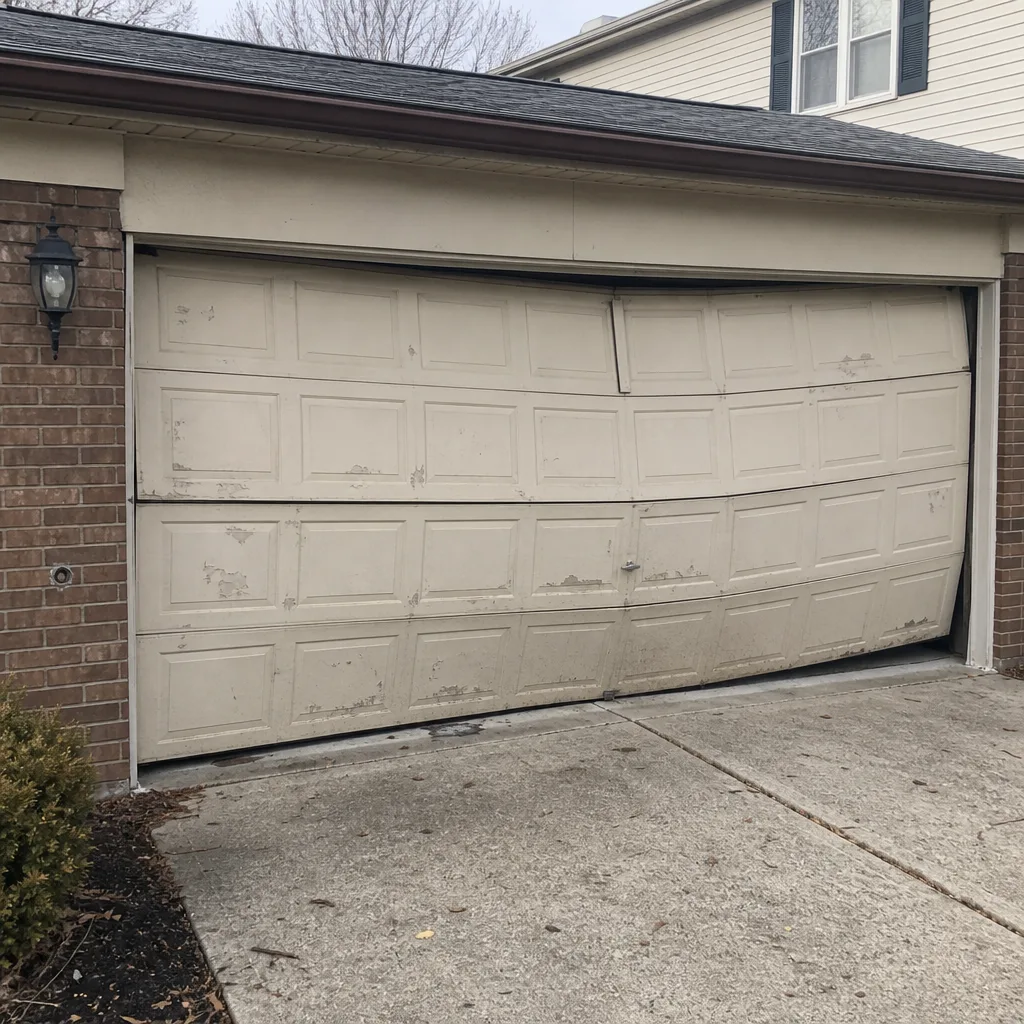 Before
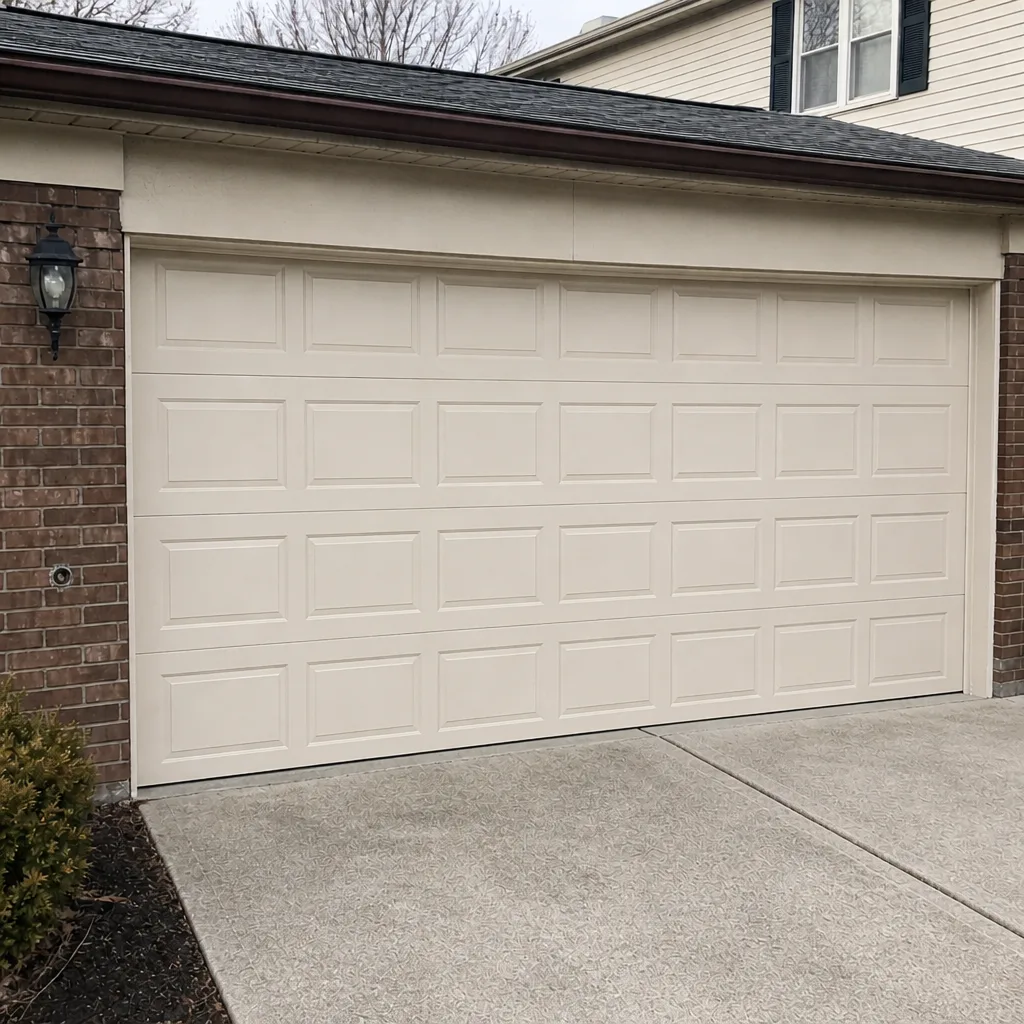 After
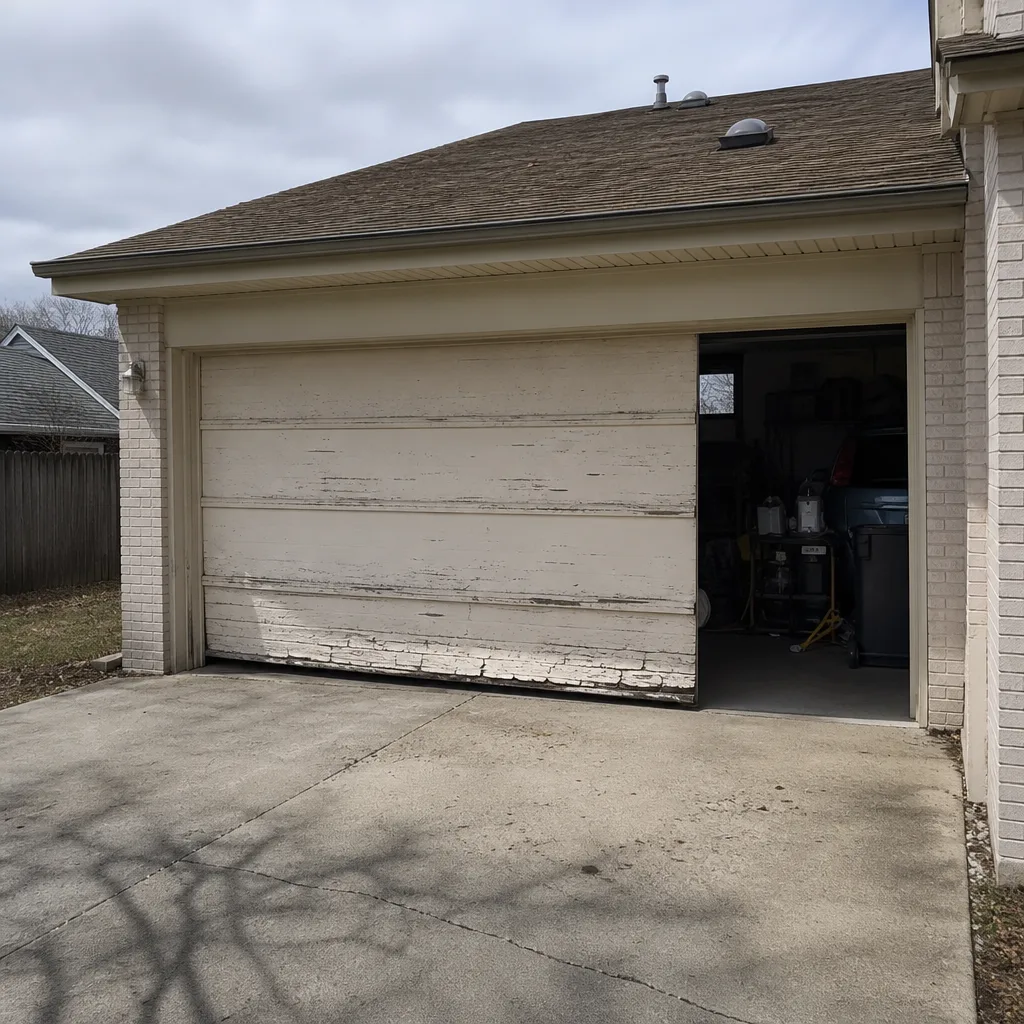 Before
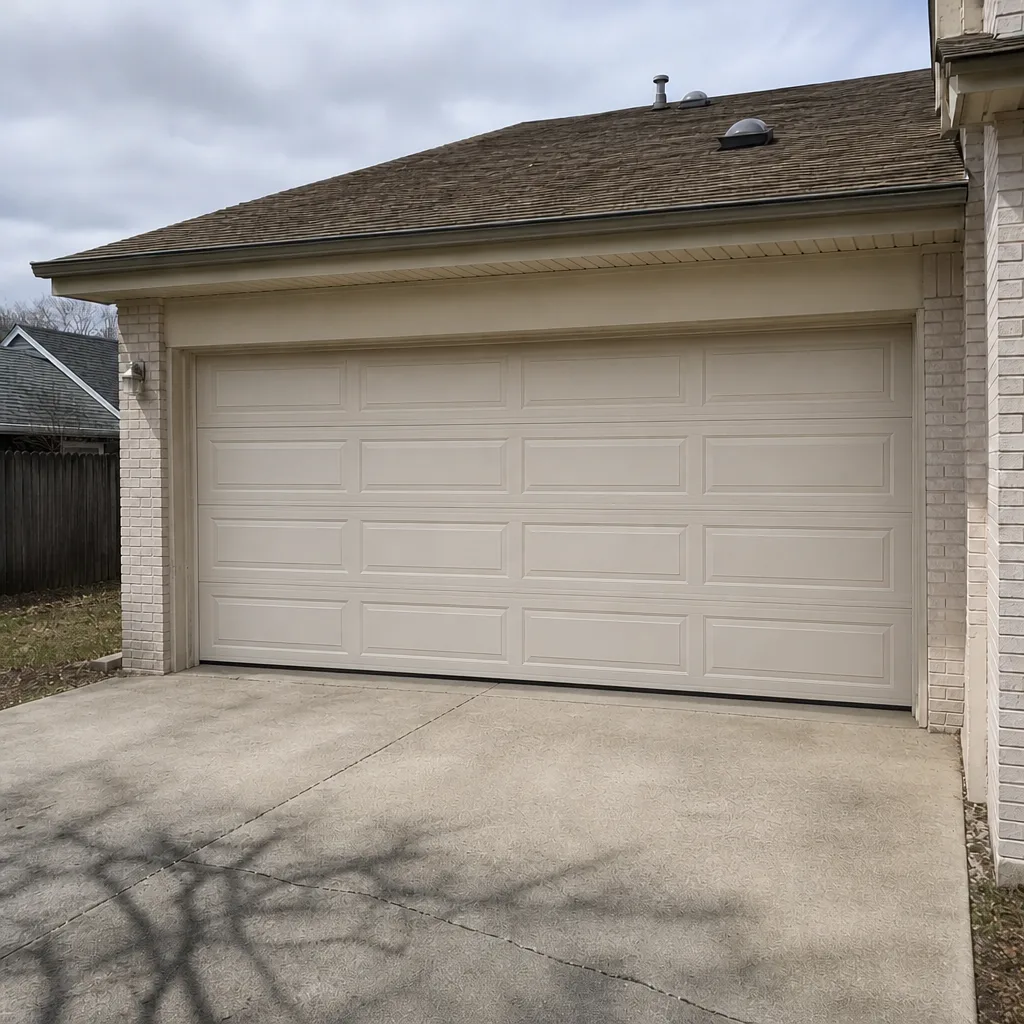 After
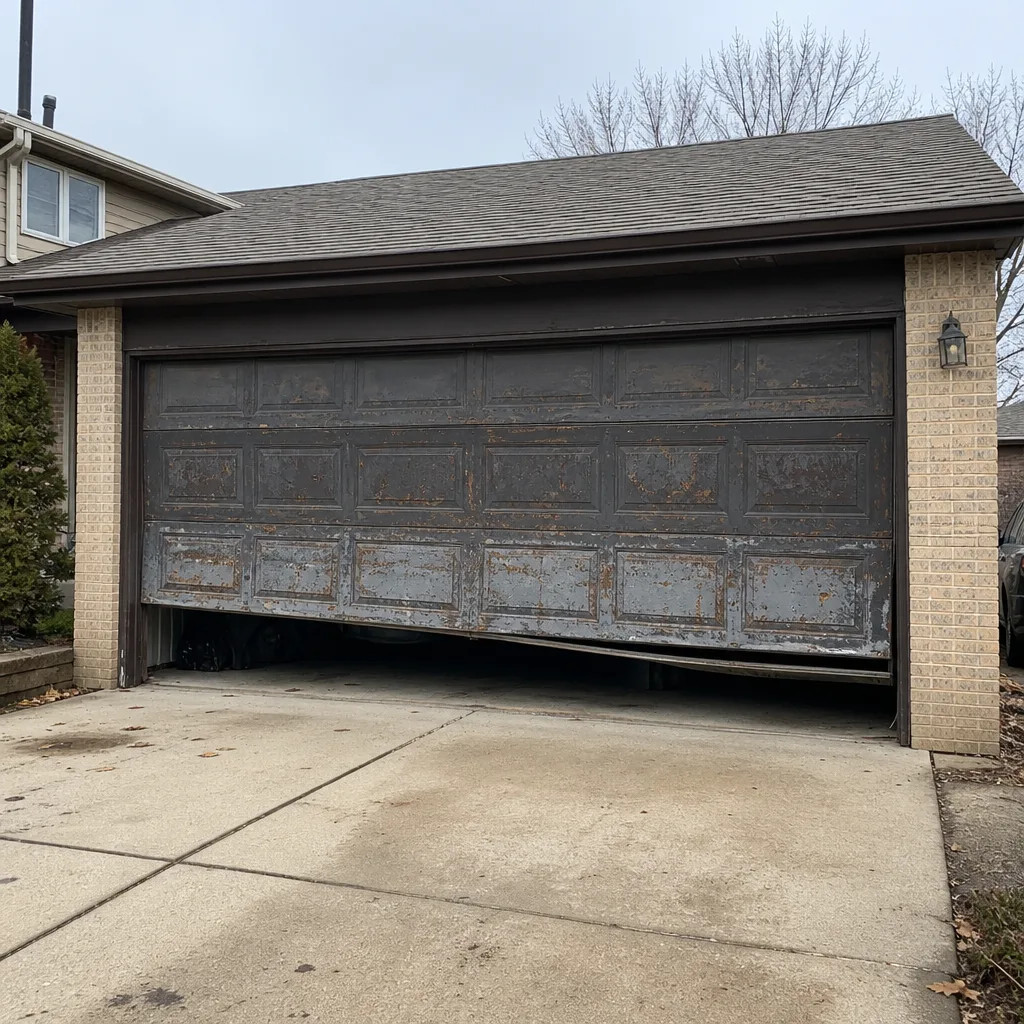 Before
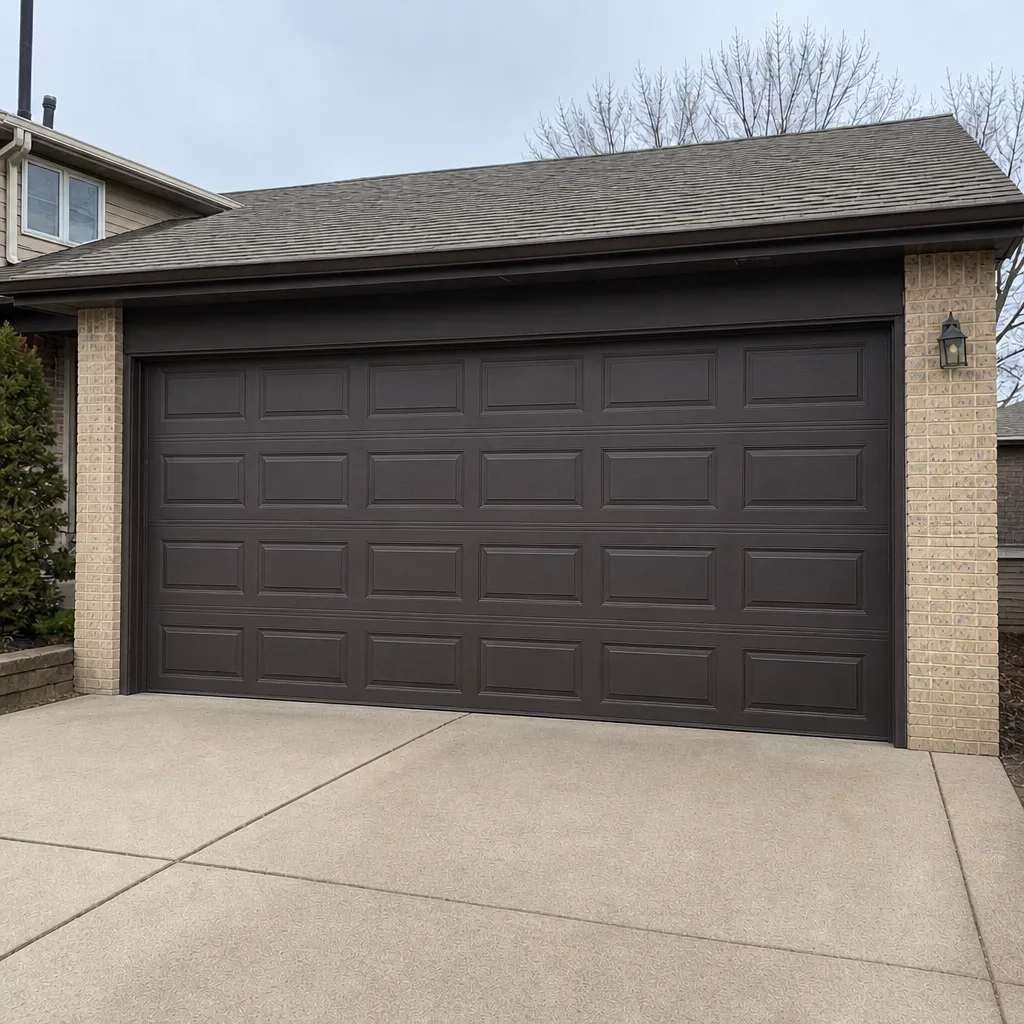 After