Last updated November 22, 2026
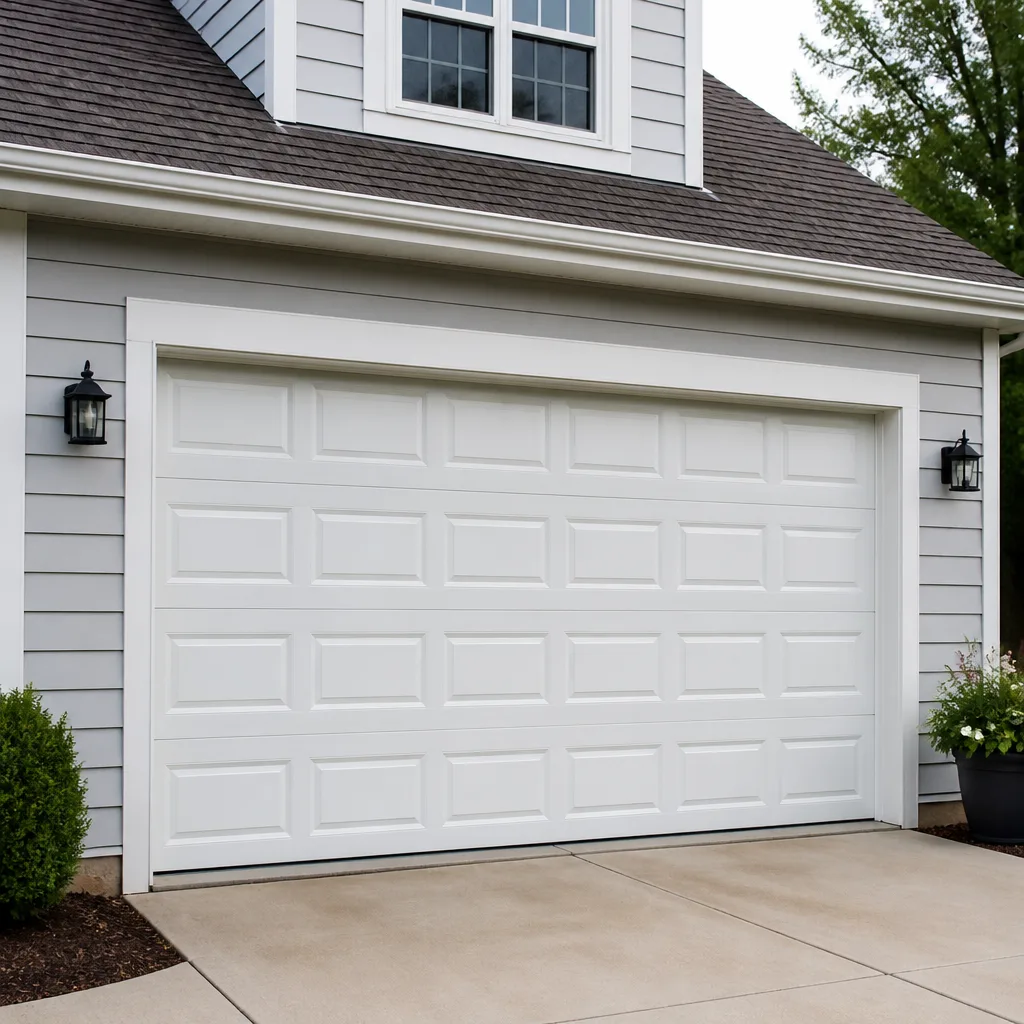 Raised-panel steel
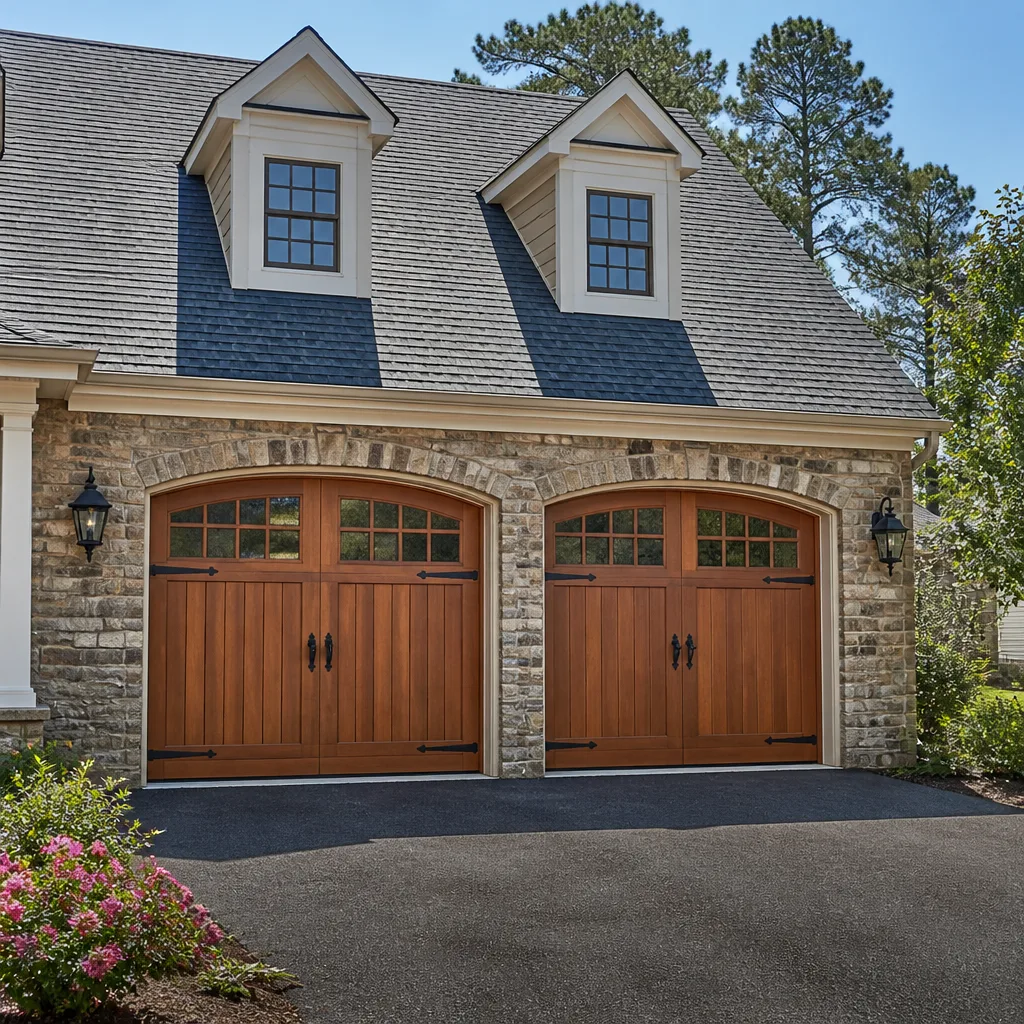 Carriage house
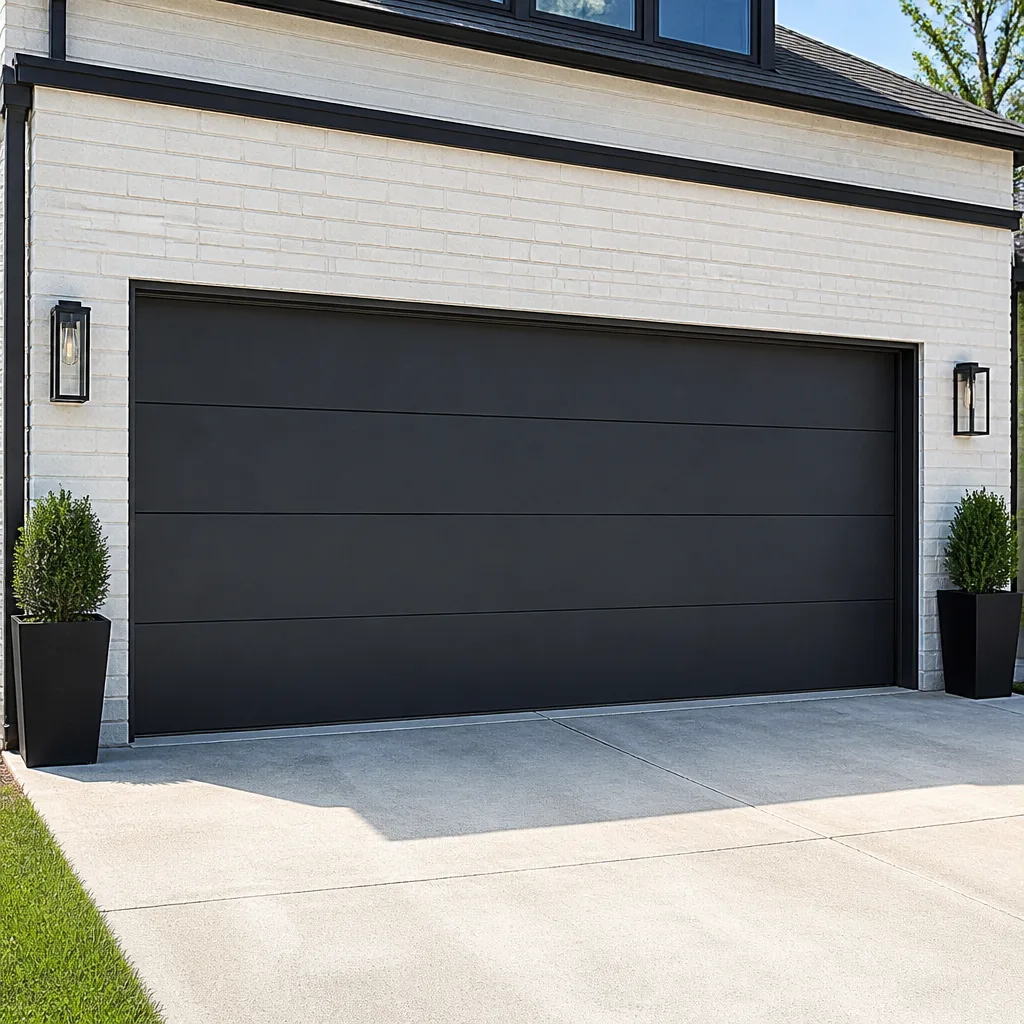 Modern flush
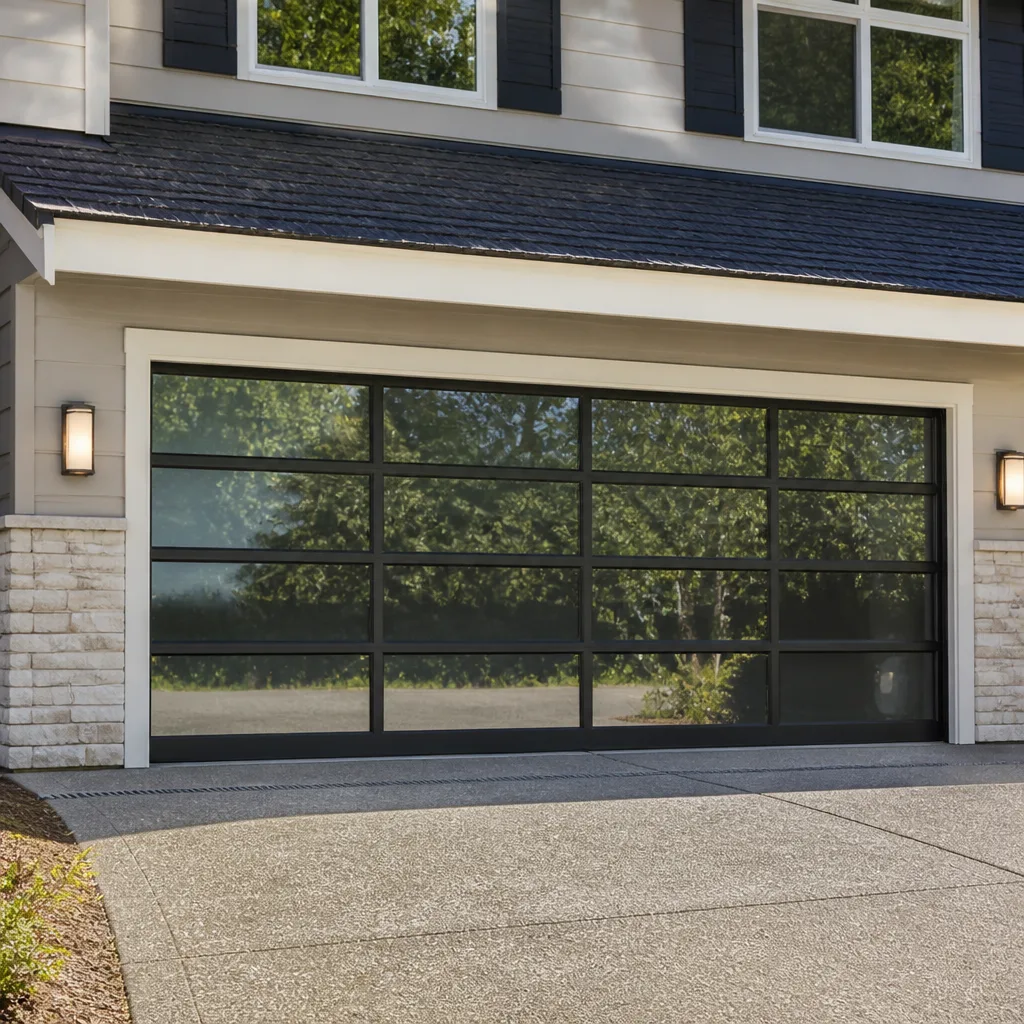 Full-view glass
 LiftMaster openers
 Chamberlain openers
Full 25-point door and opener safety check with every visit - springs, cables, rollers, tracks, and your LiftMaster or Chamberlain opener included
You get a price before we start. It does not change when the pro arrives.
Get your free estimateChoosing the Right Garage Door Brand: A Buyer’s Guide for Orland Park
Here’s something most brand comparisons won’t tell you: the steel on a Clopay door and the steel on a Wayne Dalton door often comes from the same domestic mills. The brand premium you pay at a showroom mostly buys panel design options, insulation details and warranty language, not a fundamentally better piece of metal. That matters before you spend $400 more for a name. Where brand choice really earns its keep is on the opener, where parts availability and software support vary sharply from one manufacturer to the next. This guide walks through the eight brands we service in Orland Park, where they genuinely differ, and how to avoid paying for bragging rights your neighbors won’t notice.
Quick Answer
For the door itself in Orland Park, most major brands are close enough in build quality that style, panel design and insulation matter more than the logo. Buy on warranty terms and local parts availability, not name recognition. For the opener, brand choice carries real long-term consequences: LiftMaster and Chamberlain share the MyQ ecosystem, Genie has its own app and accessory line, and older Craftsman units can be harder to source parts for as they age. The smart move is to pick an opener brand with a strong local service footprint, then match your door to the architecture of your Orland Park home.
Styles & brands we work with
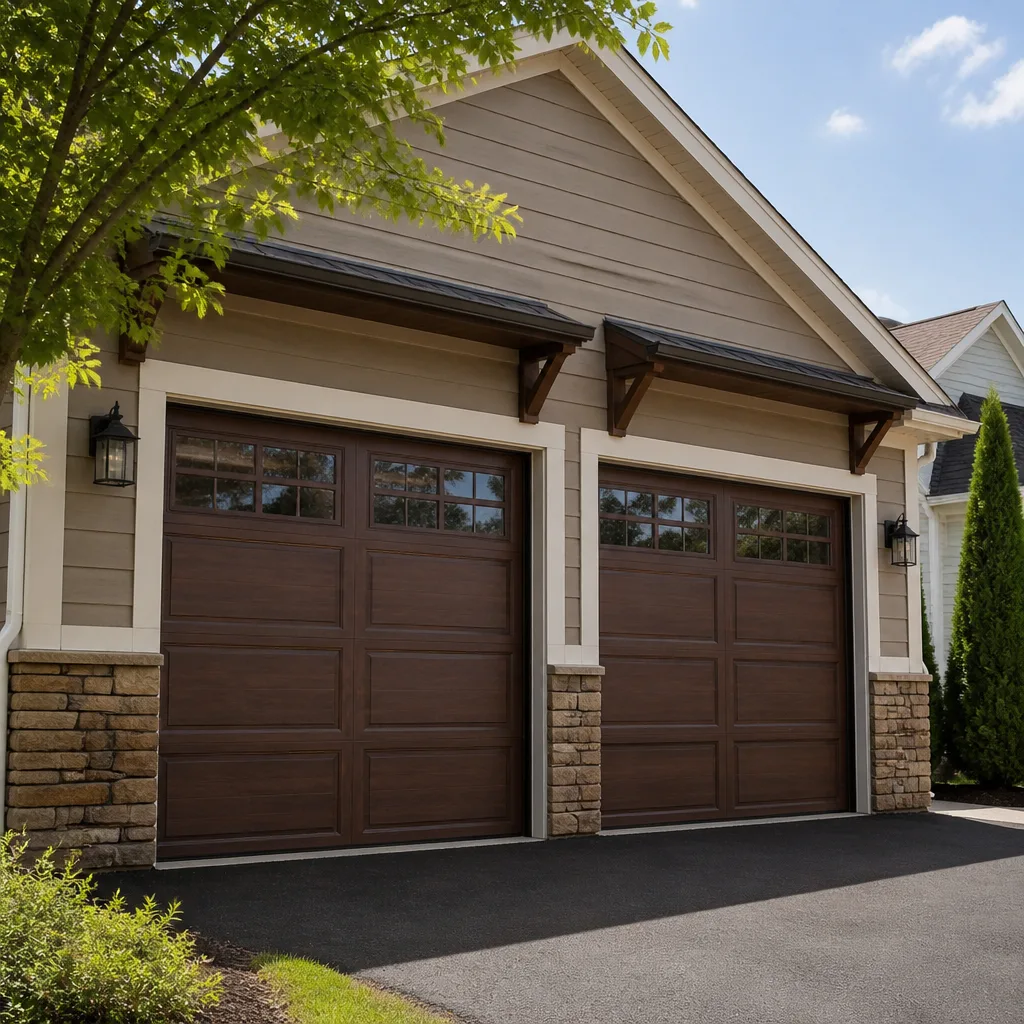
- Raised-panel steel
- Carriage house
- Modern flush
- Full-view glass
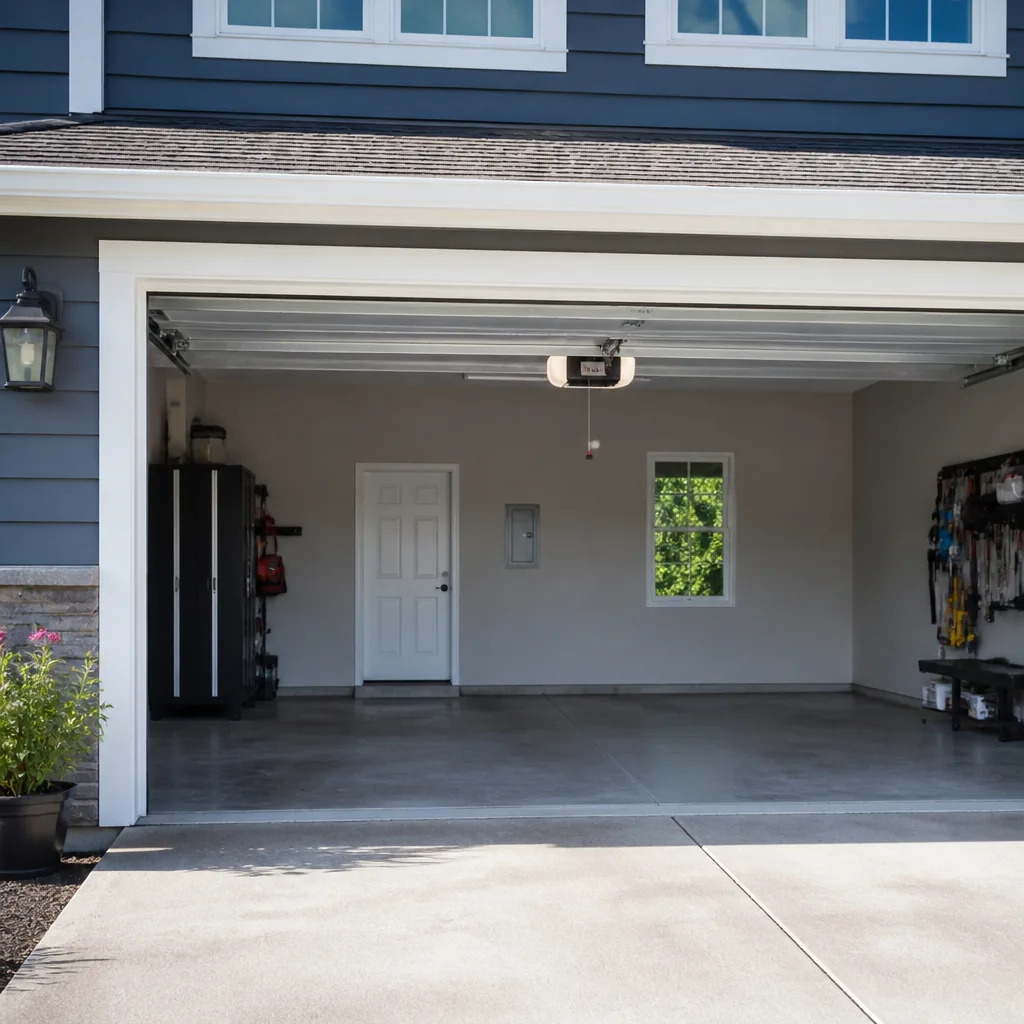
- LiftMaster openers
- Chamberlain openers
Table of Contents
- The Eight Major Brands, Compared Honestly
- Why Opener Brand Matters More Than Door Brand
- What “Lifetime Warranty” Actually Covers
- Matching Door Style to Orland Park Architecture
- How to Verify Local Parts Availability
- What to Ask Before You Sign an Installation Contract
- How Orland Park Weather Tests a Door
- When Brand Loyalty Doesn’t Save You a Replacement
The Eight Major Brands, Compared Honestly
We service eight manufacturers: LiftMaster, Chamberlain, Genie, Clopay, Amarr, Wayne Dalton, Craftsman and Raynor. They don’t divide neatly into “good” and “bad.” They divide into a few brands that genuinely differentiate on construction, finish warranty and design depth, and a few that mostly compete on price and distribution.
Where brands actually differ
- Insulation construction. Clopay and Amarr both offer polyurethane and polystyrene insulation options, and the difference in R-value between a non-insulated and fully insulated door is what keeps an attached Orland Park garage warmer in January. This is a real, functional difference worth paying for.
- Finish warranty. When you compare a Wayne Dalton finish warranty against an entry-level competitor, the terms diverge more than most buyers expect. A longer finish warranty can cover the faded, chalky look that develops after years of freeze-thaw cycles and road grit.
- Panel design depth. Clopay and Amarr offer the broadest range of panel styles, window inserts and color options. If you want a specific carriage-house look on a raised-panel steel door, these brands give you the most to work with.
Where brands are commoditized
Standard raised-panel steel doors in common colors are functionally similar across several brands. The gauge of steel, the section construction and the hardware tend to be close enough that a homeowner would be hard-pressed to tell them apart once installed. If you need a basic 16-foot steel door with a standard finish, brand choice matters far less than who installs it and how well they level and balance the system.
What’s worth remembering: the door brand you pick determines your style and warranty options. The installer you pick determines whether the door actually works smoothly for the next decade. That’s a distinction that gets lost in brand marketing.
Why Opener Brand Matters More Than Door Brand
Here’s the part most buyers underestimate. A garage door is a pretty stable product: it opens, it closes, and with routine care it lasts. An opener is a small computer that connects to your home network, communicates with your car and phone, and lives on the receiving end of software updates. That’s where brand choice has longer-term consequences.
The MyQ ecosystem question
LiftMaster and Chamberlain are the same parent company and both use the MyQ platform for app control, camera integration and remote access. That’s convenient if you want one app for everything. It’s also a form of lock-in: if you switch opener brands later, you’re switching ecosystems and possibly your smart-home setup. In our experience, homeowners who buy a LiftMaster opener get a large, well-supported ecosystem; homeowners who buy Genie get a solid system with a different app and a different accessory lineup. Neither is wrong, but the choice is stickier than people realize.
Parts discontinuation patterns
Openers age out. Older Craftsman units, particularly from the era when Sears dominated retail, can become a sourcing problem when a logic board or a remote receiver fails, because the parts pipeline thins as models leave production. LiftMaster and Genie tend to have deeper and longer parts availability because they are still actively manufactured and serviced. When we take a call for garage door opener repair, the first question is often whether the unit is worth fixing or better replaced. The brand and model go a long way toward that answer.
Local service availability
Service availability matters too. Some opener brands are easier for local technicians to diagnose and source parts for than others. Ask before you buy whether the model you’re considering is one that local technicians can service quickly, or whether a repair means waiting on a component to ship. A door that won’t open needs a fix today, not next week.
What “Lifetime Warranty” Actually Covers
The word “lifetime” on a garage door warranty is one of the most misunderstood phrases in the category. It almost never means “we’ll cover everything forever.” It usually refers to a specific component, over a specific period, subject to specific exclusions.
Read these parts of the fine print
- What the lifetime label attaches to. Often it applies to the door sections against defects, not to springs, rollers, hinges or the opener. Those parts typically have their own shorter warranty periods.
- Proration. Some warranties cover a part fully for the first years and then prorate coverage over time. A failure late in the term may leave you with a partial credit, not a free replacement.
- Labor. Warranties almost always cover parts, not labor. Ask specifically whether labor is included and for how long.
- Who files the claim. Some brands require the original installer to submit the claim; others let the homeowner do it directly. A middleman can slow the process.
- Exclusions. Dents, damage from impact, and improper installation are commonly excluded. So is fading, fading cycles and normal wear.
Claim friendliness varies
In our experience servicing multiple brands, the claim process differs noticeably. Brands with a direct installer relationship tend to make claims simpler, while brands where claims route through multiple hands can add delays. Ask your installer which brands they find easiest to file claims with, and ask them to walk you through the actual warranty document before you buy, not after something breaks.
Compare the language, not the headline. A “limited lifetime” warranty on a Wayne Dalton finish means something specific, and it’s worth understanding what it covers for the life of your door in Orland Park.
Matching Door Style to Orland Park Architecture
Orland Park has a mix of housing: older ranch homes and split-levels in established neighborhoods, and newer construction with more varied elevations. The door that looks right depends heavily on the house around it, not on what a showroom displays.
Match the door to the home, not the brochure
- Ranch and split-level homes. Clean, low-profile raised-panel steel doors in neutral tones tend to fit these best. They don’t compete with the house and they look bright and clean from the curb.
- Two-story subdivision homes. Carriage-house style doors with decorative hardware and window inserts work well here, adding definition to an otherwise plain facade. Clopay and Amarr offer wide ranges of these.
- Brick exteriors. Warm tones with a wood-grain finish can complement brick nicely, while stark whites can feel mismatched. Color coordination between door and brick is worth a conversation.
Where homeowners overpay for curb appeal
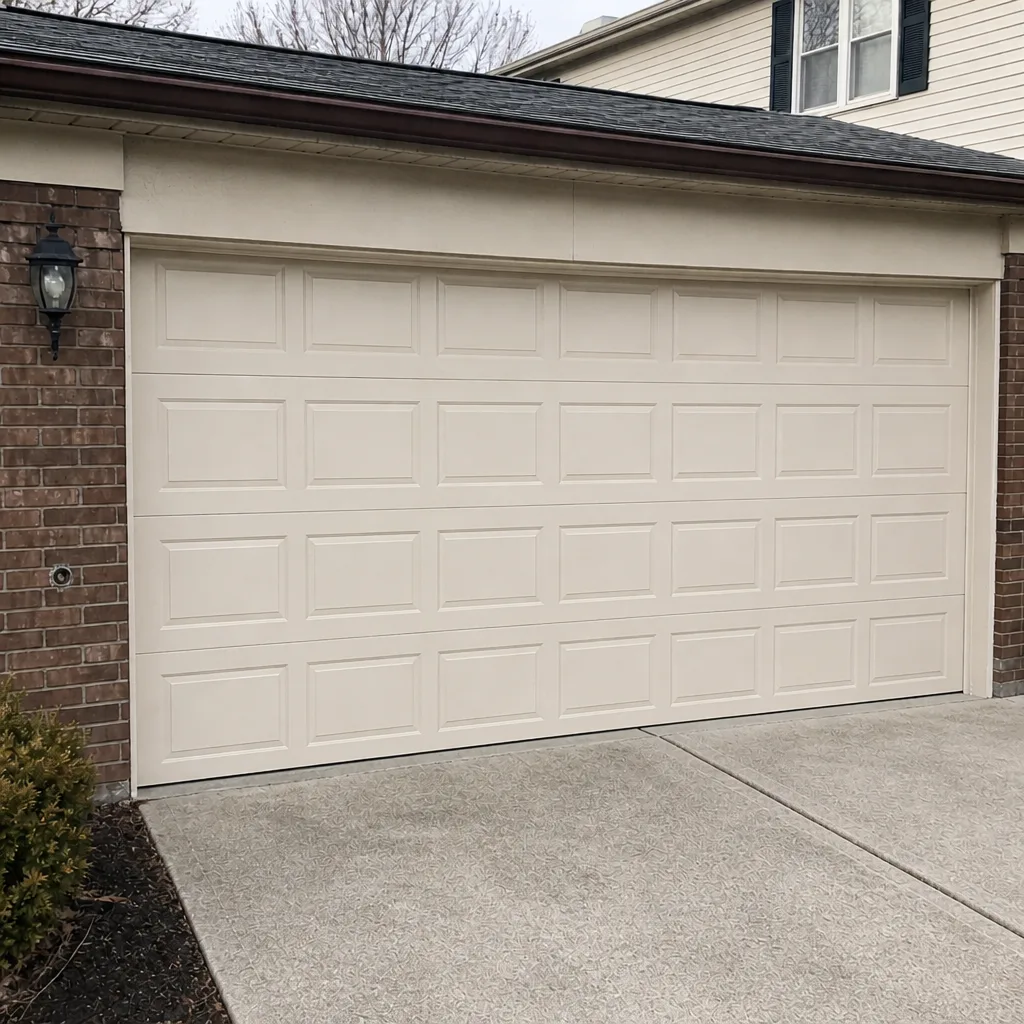
Here’s the honest part: not every upgrade photographs the same way at sale. A premium carriage-house door with fancy hardware can look nearly identical on a listing photo to a mid-range version of the same style. The visible difference at 30 feet is often small. What does translate is color uniformity, clean hardware and a door that sits flush and level in its frame. So spend on a well-fitted installation and a finish that holds up, and be cautious about paying a large premium for design depth that won’t read from the sidewalk.
If you’re genuinely unsure, ask a neighbor or a real estate professional in Orland Park what looks consistent with the neighborhood. In our experience, the houses that look best are the ones where the door matches the community’s style language rather than standing out.
How to Verify Local Parts Availability
This is the question almost nobody asks before buying, and it’s the one that saves you a week of waiting later. Brand choice affects how fast a repair can happen, because it affects whether the local parts pipeline can get you a spring, a roller, a hinge or a logic board quickly.
What to ask your installer before you sign
- Which brands do you service and source parts for locally? A company that regularly services a brand will usually have parts relationships that shortcut the shipping wait.
- What’s your typical wait for a torsion spring or cable? Consumable parts like springs and cables should generally be available quickly, since spring replacement is routine. Ask the typical lead time.
- What about proprietary opener parts? Logic boards and remote receivers can be brand-specific. Ask whether those are stocked locally or shipped.
- Can you service my door brand without a special order? If the answer is yes, a future garage door spring repair won’t be delayed by waiting for a part.
The upside of a specialist who services the major brands is that they can often advise you on which brands give you the smoothest repair path in the south suburbs. A door is a long-term purchase; a repair gap of a week costs more in inconvenience than a modest upfront brand choice ever would.
What to Ask Before You Sign an Installation Contract
Brand choice is only half the equation. The other half is who installs the door, and the contract should make it clear what you’re getting. Installation is measured, ordered and scheduled, so this is not a same-day service; you should get a free measure and a written price before anything is ordered.
The checklist
- Is the price quoted and agreed before any work starts? It should be. With this trade, the written quote sets the price, and you should know the total before scheduling.
- Is the installer licensed and insured as their state requires? Ask for confirmation. The local professional we connect you with carries the licenses and coverage their state requires.
- Is the door measured on-site, not estimated from a photo? Correct width, height and headroom clearance prevent fit problems.
- Does the contract specify the door brand, model and opener brand? Vague contracts invite surprises.
- Is the warranty transferred if you sell the home? A transferable warranty can matter at resale.
- What’s the removal and disposal arrangement for the old door? Make sure haul-away is in the quote.
If you’re replacing an existing system, our garage door repair team can assess whether a repair is the better path before you commit to a new installation. The full-cycle capability means you won’t need to find a second company if a repair reveals a door beyond saving.
How Orland Park Weather Tests a Door
Orland Park sees the full Chicago-area seasonal spread: hot, humid summers, freezing winters, and wide day-to-day temperature swings that stress every moving part on a garage door. The weather is the reason door selection here is about durability, not just style.
What the seasons do to your door
- Freeze-thaw cycles work on the springs, hinges and rollers, and can cause seals to stiffen. Steel sections contract and expand, and hardware can loosen over a winter.
- Winter road grit and ice melt carried in on tires can accelerate corrosion on steel lower sections and hardware. Rinsing the door and hardware after the worst of the season helps.
- Summer heat and humidity cause wood-look sections to expand and seal weatherstripping to become tacky; insulation matters for temperature control on attached garages.
- Wind and storms. The area gets strong winds, so a door that’s properly braced and balanced matters for safety and longevity.
How this affects your brand choice
Insulation construction matters more here than in milder climates, because an attached garage door acts as a barrier between the heated house and the outdoors. A fully insulated Clopay or Amarr door performs better through a cold snap than a thin non-insulated door. And finish warranty matters more because finish failure from weathering is a real issue in this climate.
Wind and impact damage, meanwhile, isn’t about brand: it’s about bracing and installation. A well-installed mid-range door can outlast a poorly installed premium one. When something does get damaged, a quick Orland Park Garage Door Repair assessment helps you decide between a repair and a replacement. Storm damage is uncommon in hail terms here, so we treat it as general impact damage rather than a climate hazard.
When Brand Loyalty Doesn’t Save You a Replacement
Sometimes the brand question becomes moot because the door itself is beyond saving. The question then shifts from “which brand” to “repair or replace,” and the answer usually comes down to age and structural condition, not brand pride.
Signs a repair may not be enough
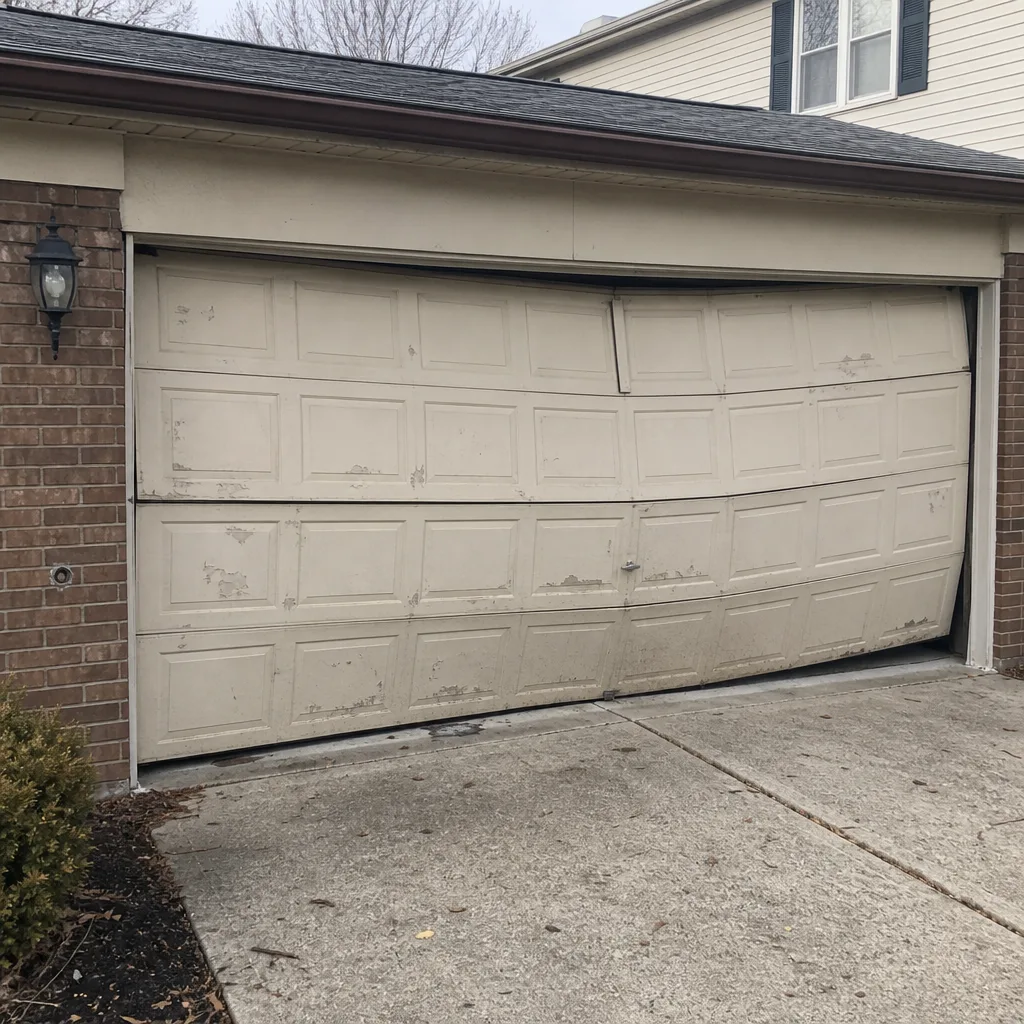
- Multiple panel sections are dented, rusted through or cracked
- The door is visibly out of square, and the frame is no longer plumb
- Springs and opener fail in the same season, suggesting a system at end of life
- The door is very old and parts for its specific model are hard to source
When that happens, a specialist who services the major brands can help you pick the right replacement without pushing you toward a premium model you don’t need. The key is matching the door to your home’s architecture and to the local climate, not buying the loudest name on the brochure. And because the same company handles the emergency call today and the full installation if the door needs replacing, you’re not stuck coordinating multiple vendors.
Common Mistakes to Avoid
- Buying the opener solely on price. A cheap opener can leave you with an ecosystem and parts pipeline that are harder to service later. Consider brand support before you buy.
- Assuming “lifetime” means everything. Read what the lifetime label attaches to; springs, rollers and labor often have their own shorter terms.
- Paying a large premium for design depth that won’t read from the curb. In our experience, most of the visual value is in fit, finish and color cohesion, not in the fanciest hardware.
- Not asking about local parts availability. A future repair can be delayed for a week if a part has to ship. Ask before you sign.
- Letting a generalist install a complicated door. A door that isn’t level and balanced will strain the opener and wear the hardware fast; spring work in particular is high-tension and safety-critical.
- Ignoring climate when choosing a finish. Finish warranty matters in Orland Park’s freeze-thaw environment; a finish that fails early is a cost you didn’t plan for.
- Skipping the on-site measure. A door estimated from a photo can arrive wrong, which delays installation and complicates returns.
See the difference
 Before
 After
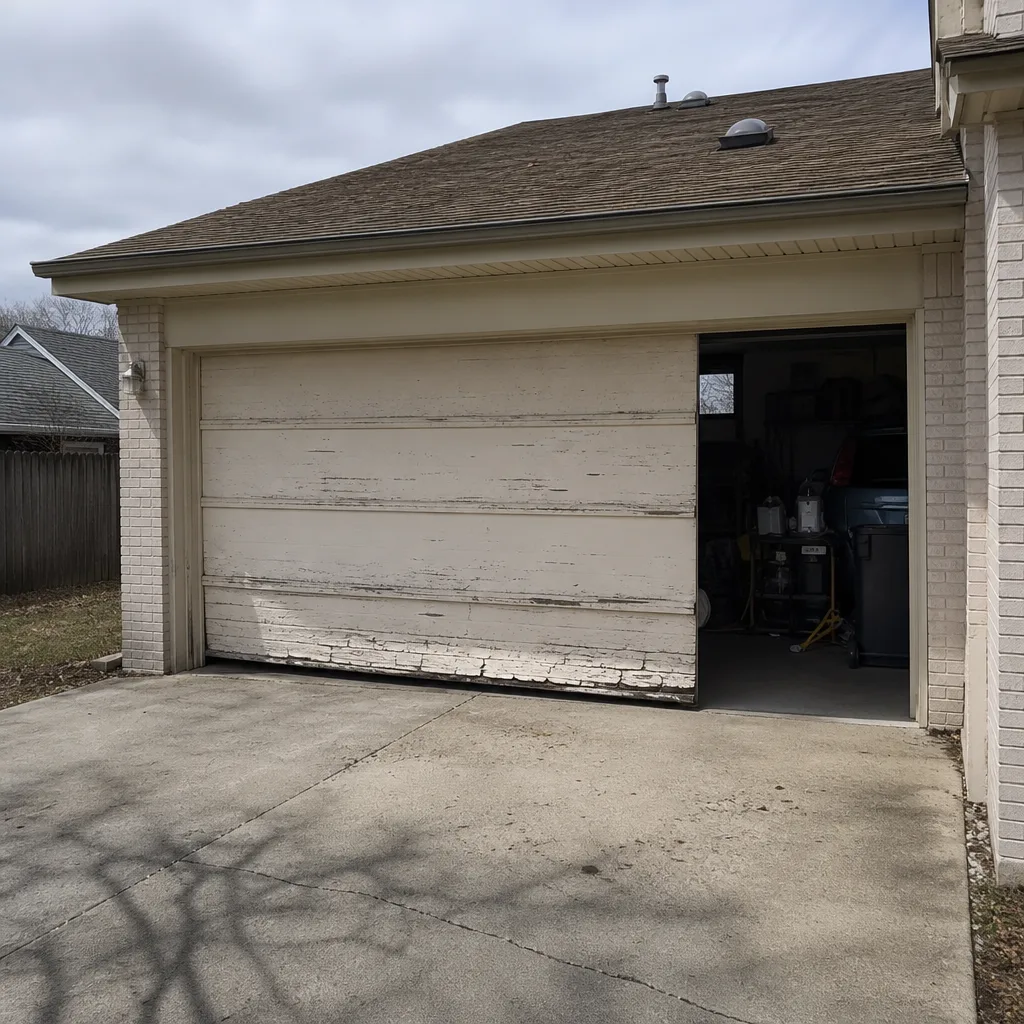 Before
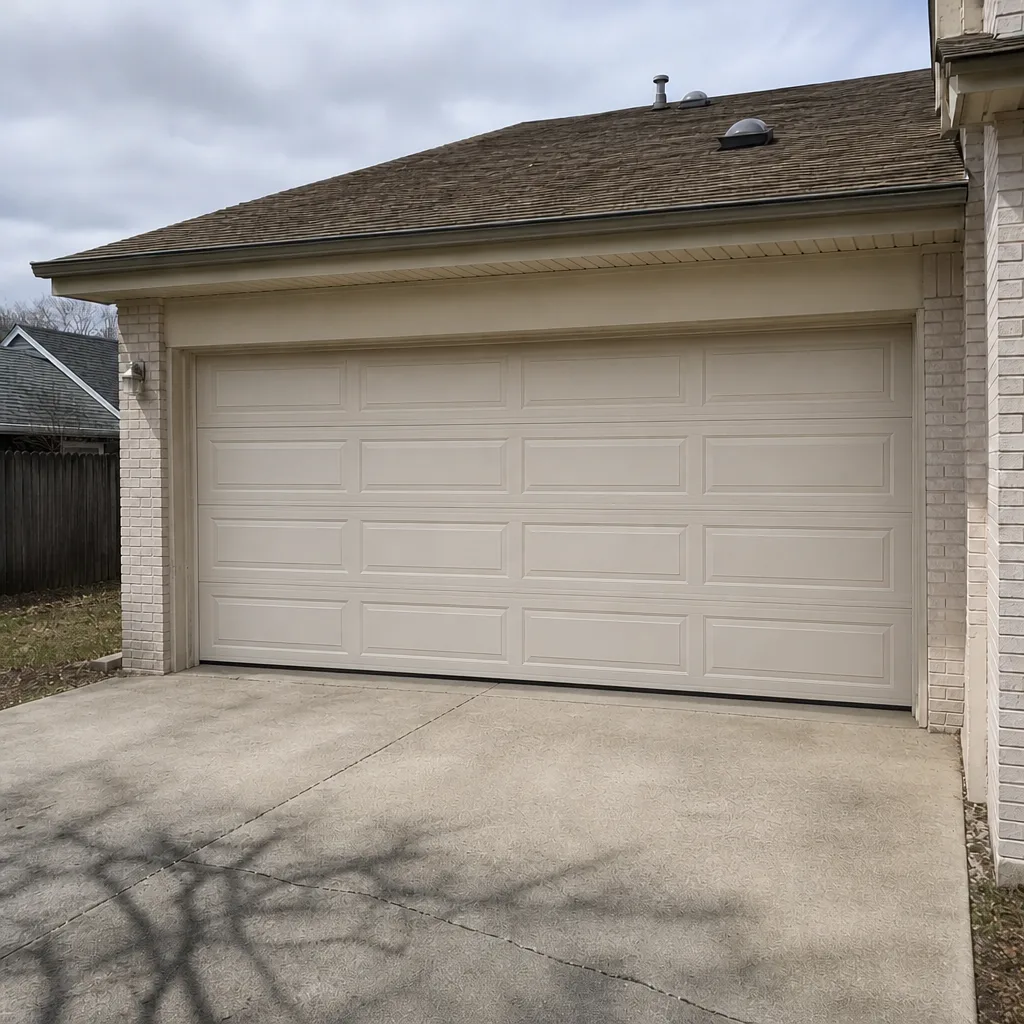 After
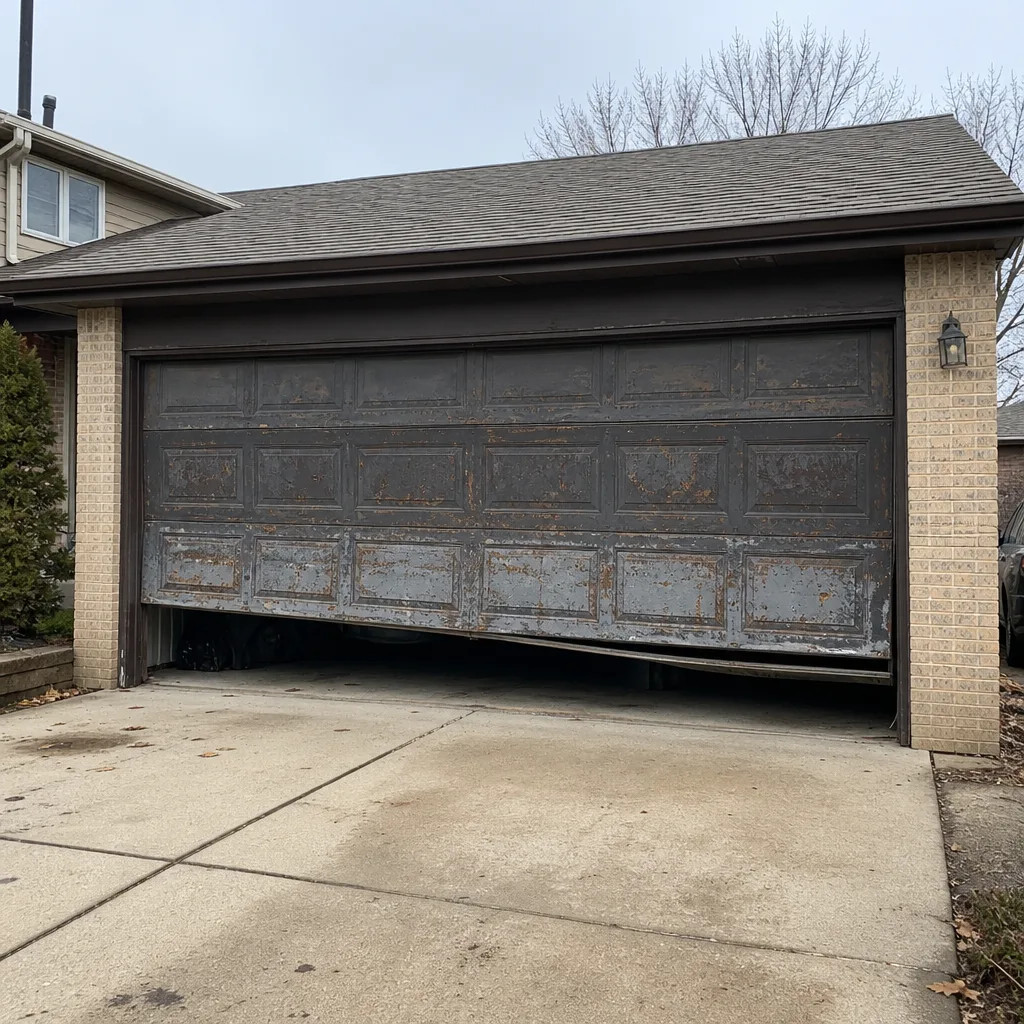 Before
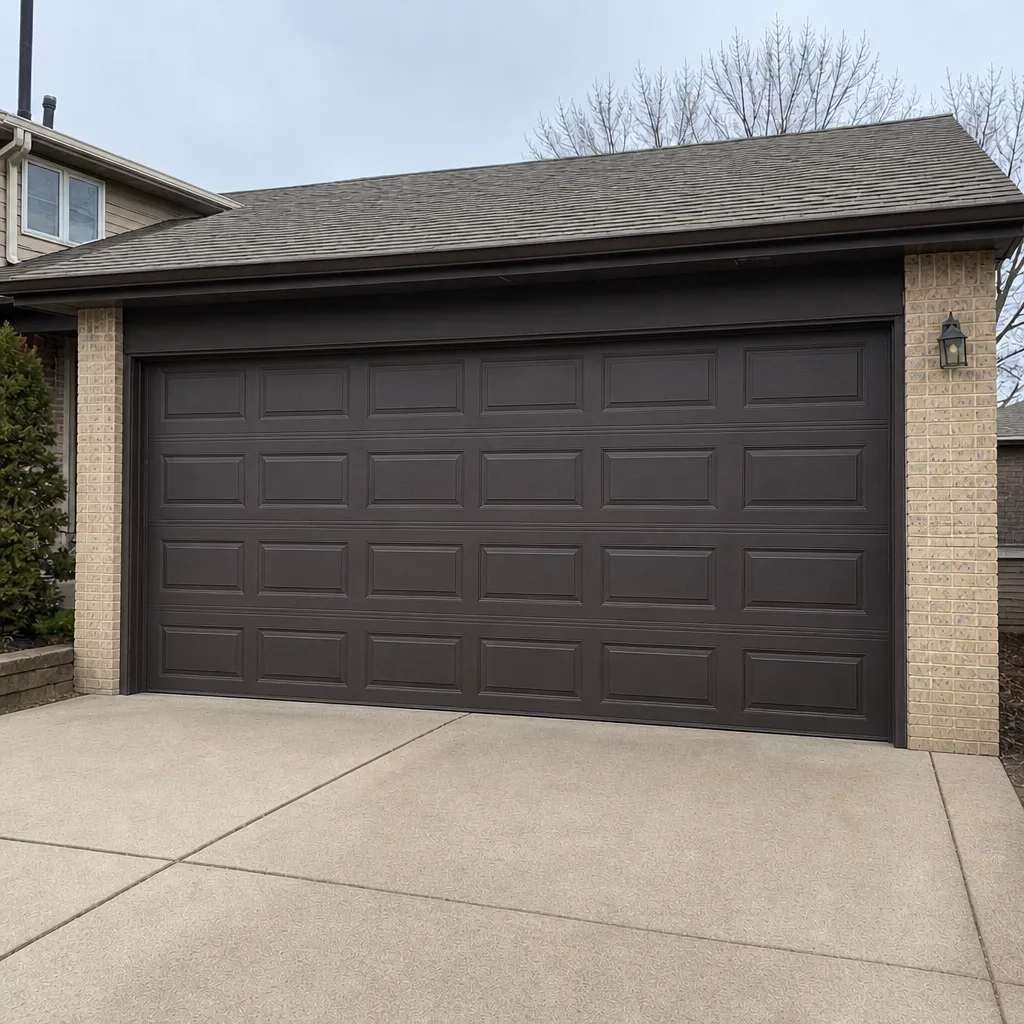 After
When to Call a Professional
Call a professional when the door won’t open or close, when a spring snaps (leave it alone; torsion and extension springs are under high tension and dangerous), when the door comes off its tracks, or when the opener runs but the door doesn’t move. Also call when you’re planning a replacement and want a free measure and a written price before ordering. These situations aren’t ones to tackle with a general handyman or a DIY approach; a trained technician with the right tools and safety knowledge makes the difference. Orland Park Garage Door Repair offers free estimates in Orland Park; call (888) 569-6449. Our technicians have up to 13 years of experience, and we work on the brand you already have.
Frequently Asked Questions
There isn’t one “best” brand for every Orland Park home. The door brand that fits best depends on your home’s architecture, your insulation needs through the cold months, and your warranty priorities; Clopay and Amarr offer the widest design and insulation options, while Wayne Dalton and others offer solid standard doors. For the opener, brand choice matters more because of ecosystem and parts support, so prioritize that. Call (888) 569-6449 for a free estimate, and we’ll help you weigh the options for your specific home.
No, the installer matters at least as much, and often more. A well-installed mid-range door will outlast a poorly installed premium one because fit, balance and leveling determine how the system wears over time. Brand affects style and warranty; installation affects function. So ask about the installer’s experience and check the contract terms before you focus on the logo.
Because an opener is a connected device with software and brand-specific parts, while a door is a fairly stable mechanical product. LiftMaster and Chamberlain share the MyQ ecosystem, Genie has its own app and accessories, and older Craftsman units can be harder to source parts for as they age. That makes opener brand a decision with longer-term consequences for service and smart-home integration.
Usually less than the phrase suggests. A limited lifetime warranty typically covers door sections against defects, not springs, rollers, hinges or the opener, and it usually covers parts rather than labor. Proration and exclusions for impact damage and normal wear are common. Always read the actual document and ask about labor coverage and claim process before buying.
Ask your installer directly. Ask which brands they service and source parts for locally, what the typical lead time is for a torsion spring or cable, and whether brand-specific opener parts are stocked or shipped. A specialist who services the eight major brands can usually advise you on the smoothest repair path for a brand before you buy. Call (888) 569-6449 with your model number and we can talk through parts availability.
The price you’re quoted is the price you pay, agreed before any work starts. We quote on-site after assessing the door and opener, and the written estimate sets the final price. If a repair reveals something unexpected, we discuss it before doing any additional work, so there are no surprise items on the bill.
The Bottom Line
Brand selection for the door itself matters less than most buyers think: most major brands are close enough in build quality that style, panel design, insulation and warranty terms are where the real differences live. Where brand choice earns its keep is on the opener, where ecosystem, parts availability and software support vary sharply. Match your door to the architecture of your Orland Park home, verify local parts availability, read the warranty fine print, and pick an installer who measures on-site and quotes in writing before work begins. Do that, and you’ll get a door that serves you well regardless of the name on the panel.
Ready to talk through brands for your Orland Park home? Call Orland Park Garage Door Repair at (888) 569-6449 for a free estimate, and we’ll help you choose the right door and opener for your house and your long-term service needs.
Written by the team at Orland Park Garage Door Repair.