Last updated November 22, 2026
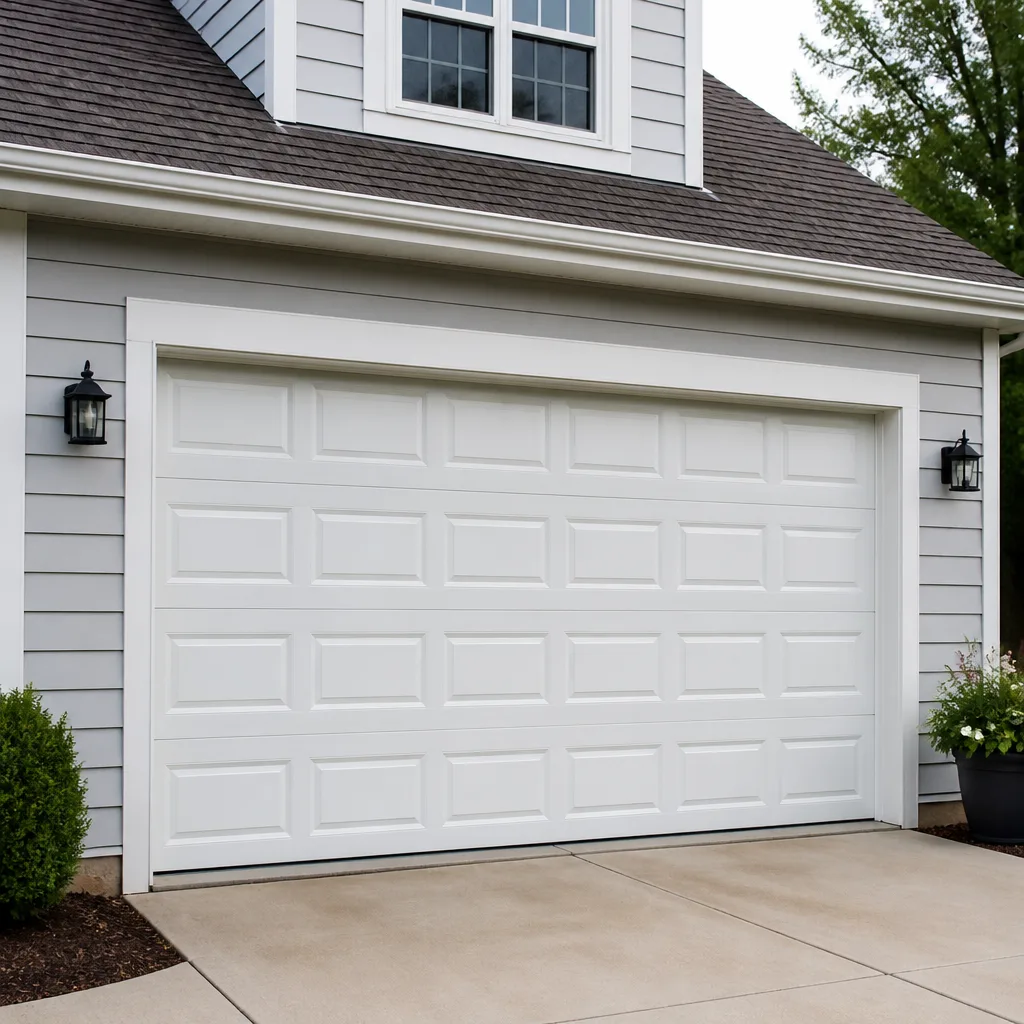 Raised-panel steel
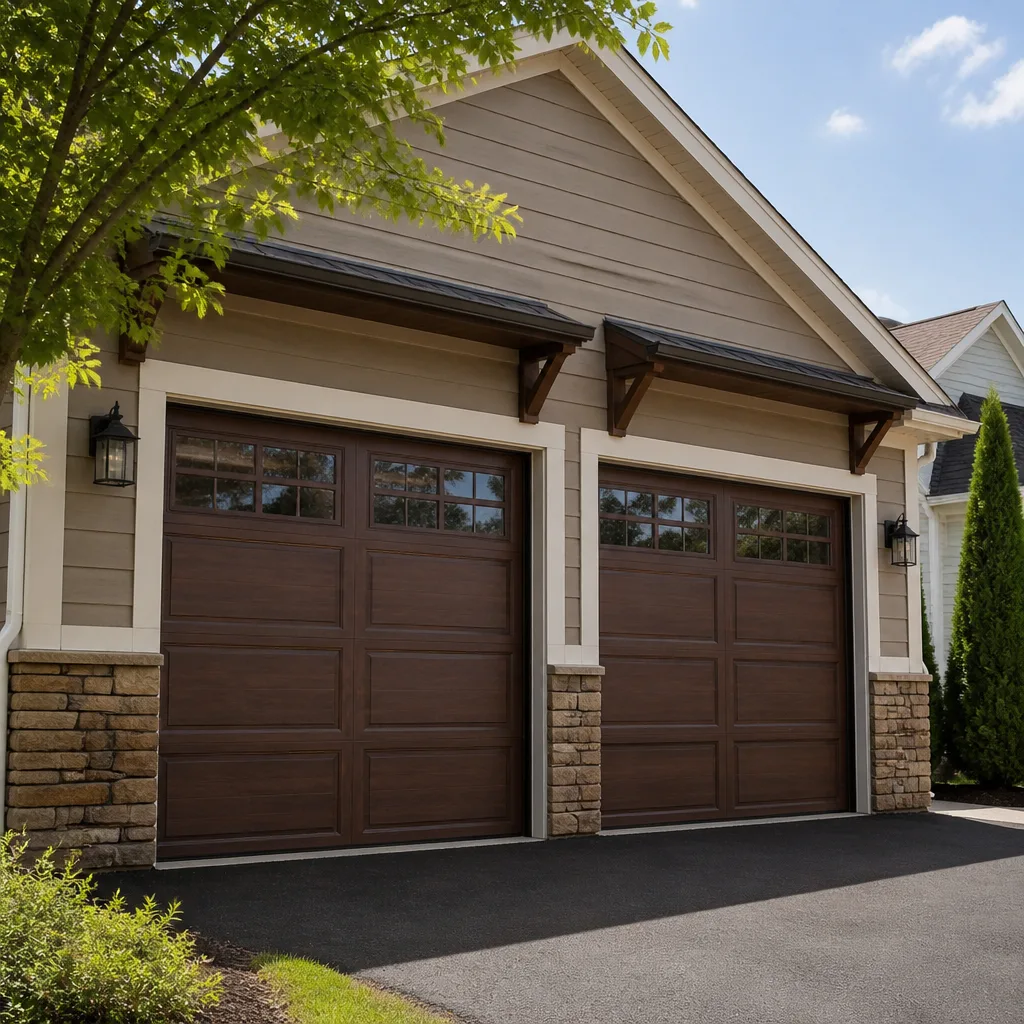
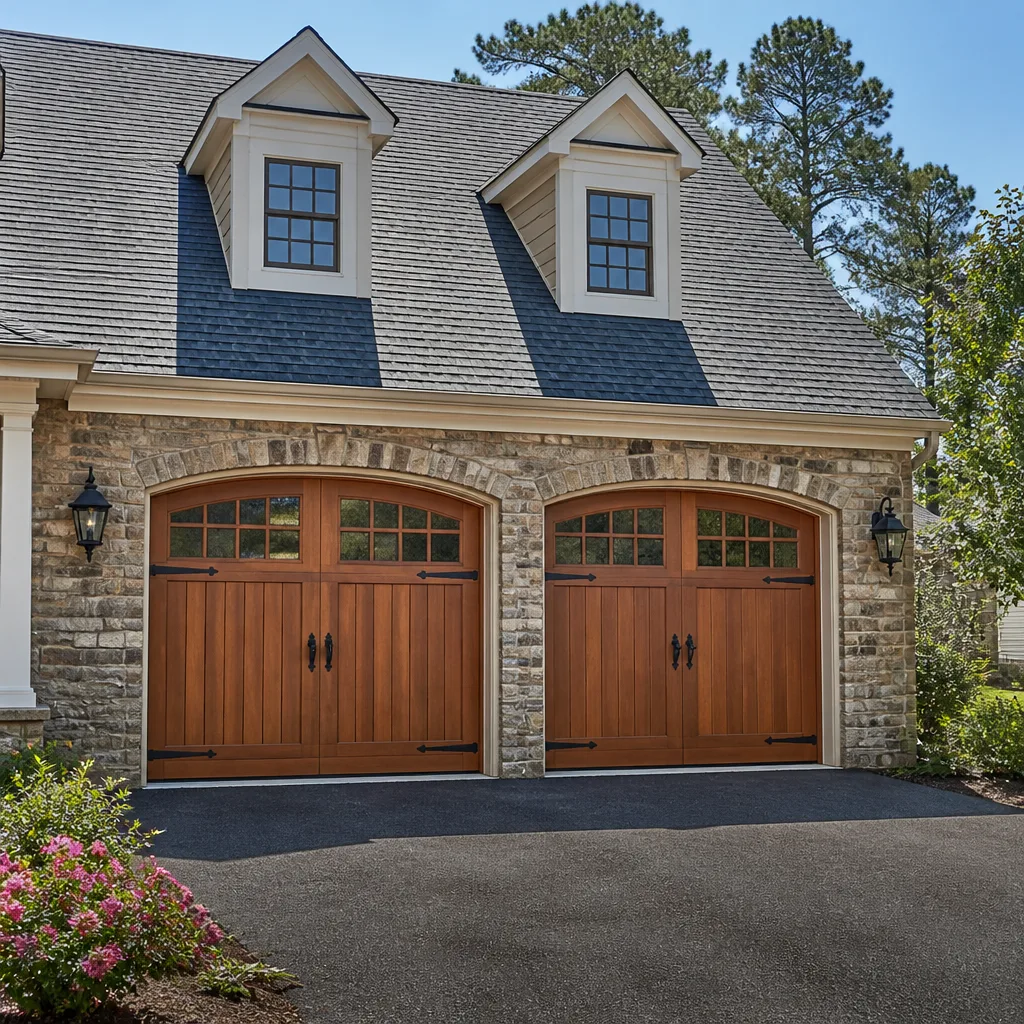 Carriage house
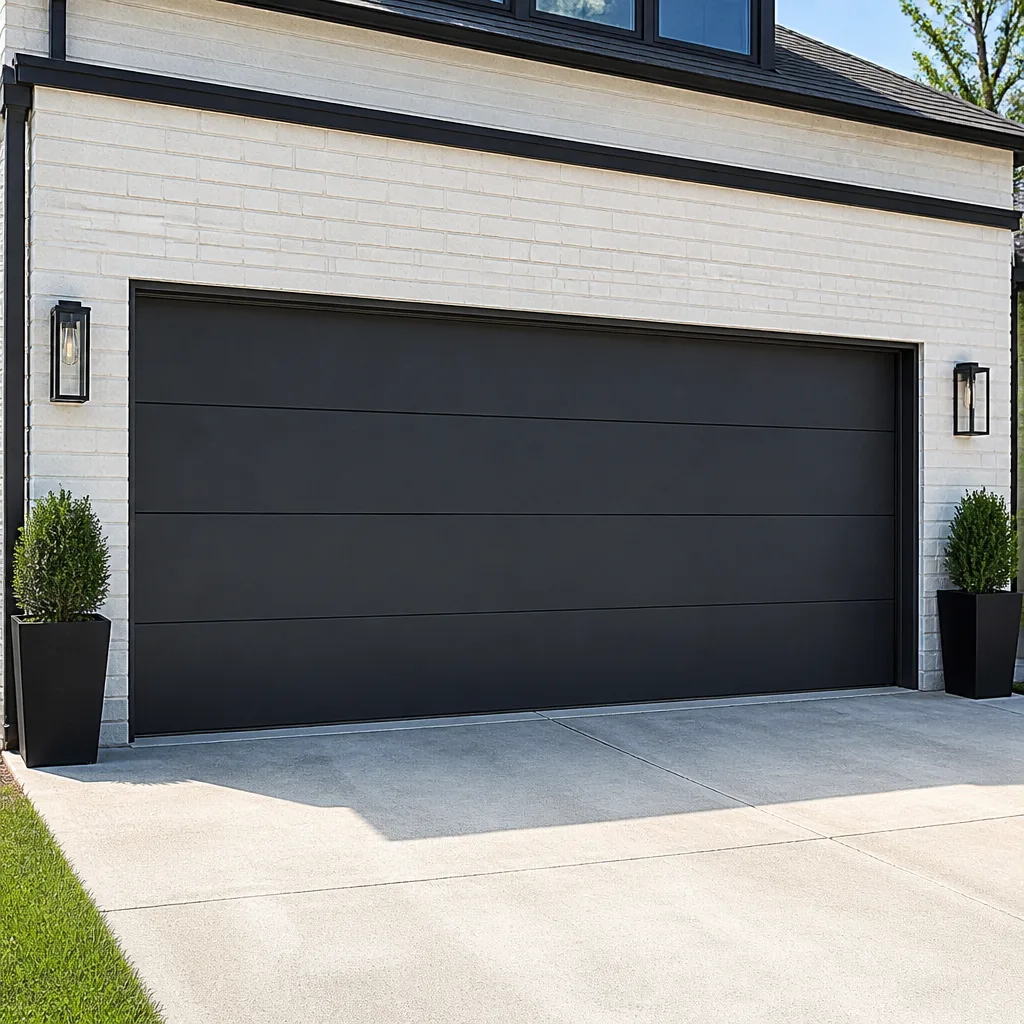 Modern flush
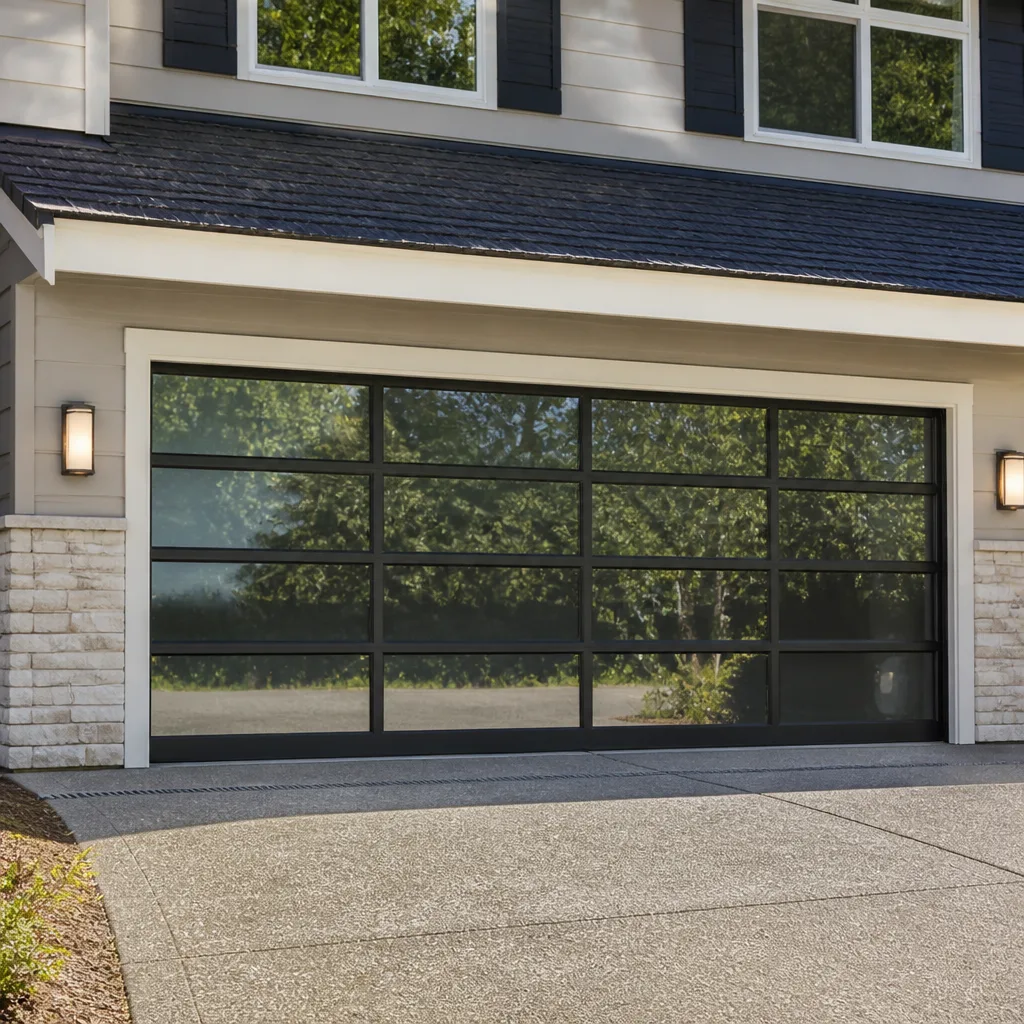 Full-view glass
 LiftMaster openers
 Chamberlain openers
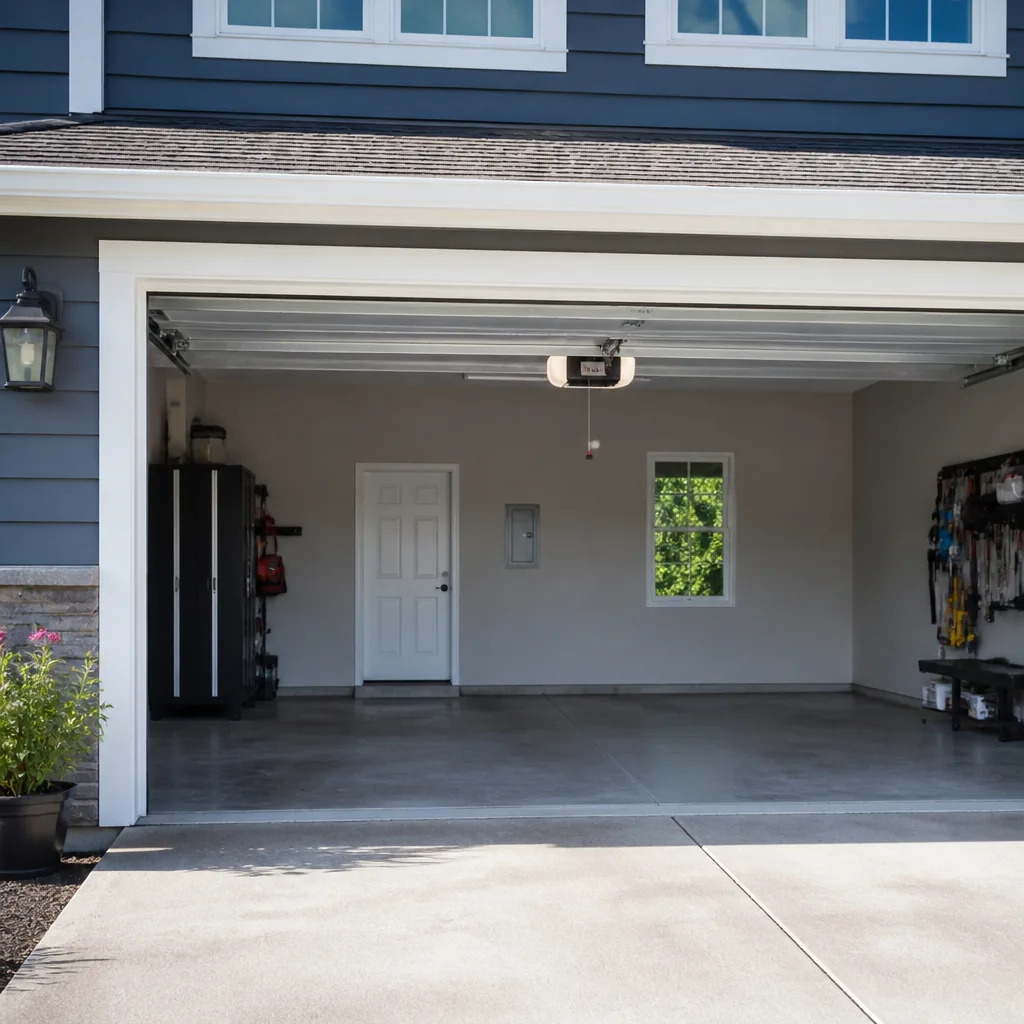
Full 25-point door and opener safety check with every visit - springs, cables, rollers, tracks, and your LiftMaster or Chamberlain opener included
You get a price before we start. It does not change when the pro arrives.
Get your free estimateDIY vs Professional Garage Door: The Orland Park Homeowner’s Decision Guide
Most homeowners asking “can I do this myself?” are framing the question backwards. The real question isn’t whether you’re handy enough. It’s whether the specific task on your list involves stored mechanical energy that can hurt you when it releases. A torsion spring under tension holds enough force to break a wrist or cost you an eye, which is why the people who end up hurt are usually the ones who watched a tutorial and felt ready, not the ones who never looked anything up. This guide draws a hard line between what’s genuinely safe to handle yourself and what belongs to a trained technician, with the reasoning behind each call. If you live in Orland Park, that line matters just as much in a January cold snap as it does in July.
Quick Answer
Safe DIY garage door work covers weatherstripping, sensor alignment, lubrication, and programming a remote or keypad. Anything involving torsion springs, extension springs, cables, drums, tracks that have bent out of shape, or a door that has come off its tracks requires a trained professional, no matter how mechanically confident you are. The dividing line is stored energy and alignment under load, not your skill level.
Styles & brands we work with
- Raised-panel steel
- Carriage house
- Modern flush
- Full-view glass
- LiftMaster openers
- Chamberlain openers
Table of Contents
- What garage door work is genuinely safe to do yourself?
- Why do springs belong in the professional column?
- Which tools separate a DIY job from a professional one?
- When does DIY actually save money in Orland Park?
- How does the Orland Park climate change the calculation?
- Can you program or repair an opener yourself?
- You already started the repair. What now?
- Common mistakes to avoid
What garage door work is genuinely safe to do yourself?
A surprising amount, and it’s worth naming it clearly so you don’t pay for work you can handle in an afternoon. The safe DIY list is defined by one trait: nothing on it changes the tension or alignment of a system holding weight.
- Weatherstripping replacement. The rubber or vinyl seal along the bottom and sides wears out, cracks, and lets in drafts. It slides into a channel or nails onto the frame and involves no tension.
- Safety sensor alignment. The two small photo-eye sensors near the floor need a clear line of sight to each other. If the door closes partway and reverses, a bumped sensor or a cobweb across the lens is usually the cause.
- Lubrication. Hinges, rollers, and the opener’s rail benefit from a garage-door-specific lubricant. A few minutes twice a year quiets a lot of noise.
- Remote and keypad programming. Pairing a new remote to a LiftMaster, Chamberlain, or Genie opener is a button-press sequence in the manual. No tools, no risk.
- Visual inspection. Look at cables for fraying, springs for gaps, and the door’s balance by disconnecting the opener and lifting it halfway. Noticing a problem early is free.
- Light bulb and battery swaps. Obvious, but worth listing for completeness.
Everything on that list can be done with basic hand tools and a step stool. None of it requires you to be under the door while it’s under load. For the tasks above, reach for a screwdriver before you reach for the phone.
Why do springs belong in the professional column?
Here’s the plain-language physics. Your garage door might weigh a couple of hundred pounds. The springs are what make it feel like it weighs twenty, counterbalancing that weight so a person can lift it. To do that, the spring is wound tight enough to store a large amount of mechanical energy. When a spring is intact and secured, that energy is controlled. When you’re mid-replacement and a winding bar slips, all of it releases at once, with nothing to stop it.
That’s the crux of the DIY vs. professional question for garage doors: it isn’t skill, it’s the consequences of a single slip. A torsion spring runs along the shaft above the door. An extension spring runs along the sides. Both are under extreme tension. Both are unsafe to handle without the right winding bars, the right technique, and the right understanding of how to keep the shaft from spinning free.
We’ve worked on a lot of doors across Orland Park, and the pattern that always stands out is that a snapped spring is loud and dramatic but harmless if you leave the door alone. The injury comes during the repair, not the failure. The safe thing to do when a spring breaks is simple: don’t force the door, keep it closed, and call someone trained to repair garage door springs. Our technicians have up to 13 years of experience and work on torsion and extension springs as a core part of what we do. When the door won’t move, we do.
Which tools separate a DIY job from a professional one?
The tool list is one of the clearest signals of scope. If a YouTube tutorial tells you to buy a tool you’ve never heard of, that’s the tutorial admitting the task is out of scope.
Here’s what legitimate DIY garage door work needs:
- A Phillips and flathead screwdriver.
- A 3/8-inch or 7/16-inch wrench or socket set for most opener brackets.
- A step ladder.
- Garage door lubricant, not household oil.
- A soft cloth and maybe a small brush for cleaning tracks and sensors.
Now the professional-only tool list. Winding bars. Cable drums. A come-along or door-lifting tool. Locking pliers and C-clamps to hold the door in place under tension. A vise and a spring-winding jig. These tools exist for a reason: they control stored energy. When a repair requires tools that hold, wind, or clamp a high-tension assembly, it is not a homeowner repair. Full stop.
There’s a second signal too. Repairs requiring you to open the door and hold it in a specific position while you work under it are off-limits. If the tutorial requires you to be underneath a partially raised door, stop watching and put the ladder away.
When does DIY actually save money in Orland Park?
DIY saves real money on the small stuff and costs real money on the big stuff, and the two get mixed up constantly. Let’s separate them.
On the safe-DIY list (weatherstripping, sensor work, lubrication, remote programming), you really do save. These tasks need inexpensive parts and a modest amount of time. What you save is the labor charge of getting someone out for a five-minute job, and that’s a fair DIY call.
On the big jobs, the math flips. A failed DIY spring repair often doesn’t just leave you where you started. It can bend the shaft, strip the cable drums, twist the tracks, or damage the door panel when the spring releases and the door drops. What might have been a spring replacement can become a track and cable repair, and sometimes a new door. That’s the real cost trap: not the money you saved, but the added repair bill when the first attempt goes wrong.
There’s also the time factor. A pro who does spring work regularly finishes in under an hour. A first-time attempt can eat an entire weekend and still end with a door you don’t trust. In our experience across Orland Park, most homeowners who try a major repair alone end up calling anyway, having paid for parts they now can’t use.
The honest rule: DIY the cheap, low-risk tasks. Pay a professional for anything involving tension. That’s where the money is actually spent wisely.
How does the Orland Park climate change the calculation?
Garage doors in Orland Park live through real seasonal swings. Winters bring freezing temperatures and road salt tracked in on the car, while summers are humid and warm. That cycle is hard on every component, and it changes which DIY calls make sense.
- Weatherstripping is a genuine seasonal concern. A cracked bottom seal lets cold air and snow melt into the garage, and the rubber hardens and tears faster in a cold snap. Replacing it is safe DIY and worth doing before winter.
- Tracks and rollers take a beating from expansion and contraction. The metal moves with temperature, and a slightly loose track in July can bind in January. Keeping the rollers lubricated helps, but a track that has genuinely shifted out of alignment is a pro job.
- Cables fray faster in fluctuating temperature and humidity. A frayed cable is a warning sign, not a DIY fix. Inspect it, then call for garage door repair.
- Salt and grime build up in the track and on the rollers. A wipe-down and relubrication are safe DIY, but it’s worth knowing that buildup is a common reason a door starts running rough in Orland Park every spring.
None of these changes the DIY vs. professional threshold. They just make it worth doing the safe tasks well and on schedule, so you’re not surprised by a bigger repair when the temperature drops.
Can you program or repair an opener yourself?
Program: yes. Repair: mostly no. The opener is where DIY confidence is highest and also where it’s most often misplaced.
Programming a new remote or keypad to a LiftMaster or Chamberlain opener is a button-and-manual task. Pairing a replacement remote to a Genie or Raynor unit is just as straightforward. If your remote stopped working and the question is whether to program, do it yourself.
But opener repair is a different story. The opener itself is a mechanical and electrical system that lives on a ceiling, holds tension in its rail and chain, and has a motor that can run when you’re not expecting it. Replacing a drive gear, swapping a logic board, or re-tensioning a chain is not a safe first-time repair. It’s also where a lot of homeowners get stuck because the removal process requires holding the opener’s rail while the door is disconnected. For those jobs, garage door opener repair is the right call. If you’re not sure whether your opener is asking for a remote pairing or an actual repair, the easiest test is whether it opens from the wall button but not the remote. If it’s both, it’s a repair.
You already started the repair. What now?
If you’ve gotten partway into a job and stopped, the most useful thing you can do is tell the technician exactly where you stopped and what’s now under tension. Here’s the information that makes an accurate assessment possible:
- What you were trying to do. Replacing a spring? Adjusting a track? The starting task tells a technician what force has been disturbed.
- What you loosened, removed, or wound. Winding bars, bolts, cable clips, spring plates. Be specific.
- Whether the door is currently under tension. The most important fact. If you’re unsure, don’t touch the door and keep everyone off it.
- Whether the door is hanging open, closed, or stuck partway. And whether it’s connected to the opener.
- What you’ve already bought or tried. Parts, tools, whether you replaced a spring or a roller. Saves time and cost.
- Any unusual sound or movement since. A pop, a bang, a grinding sound, or the door drifting down on its own.
This is not an invitation to hand over a project you can see is unsafe. If a spring is visibly broken or the door has dropped, stop and call. For someone in Orland Park who’s a few steps in and uncertain, describing the situation over the phone is the fastest route to a correct diagnosis. When the door won’t move, we do, and a half-finished job is a common reason for the call.
Common Mistakes to Avoid
- Winding a spring “just a little.” Any amount of winding on a torsion spring requires winding bars and a controlled technique. A single careless turn can release the entire assembly.
- Holding the door up with a ladder or prop. A garage door under its own weight can come down if the prop shifts. Never stand or reach under a door held by anything other than the opener and its springs.
- Cutting a cable to “relieve tension.” A cutter can’t control what happens next. Cables are under tension and need to be taken down with the door secured and supported.
- Trying to adjust a track by feel. A track that’s slightly out of alignment will bind a roller, and pushing it back by eye usually makes it worse. This is one of the most common Orland Park calls we get after a DIY attempt.
- Skipping the balance test. If a door won’t stay at the halfway point, it’s telling you a spring is weak or misadjusted. Ignore it and the opener does the lifting, which shortens its life.
- Replacing a spring without matching the pair. When one spring in a set breaks, the second is often near the end of its life. Replacing only the broken one leaves a misbalanced door.
- Assuming a newer door is exempt. Whether a door needs a professional depends on the mechanism, not the model year. A brand-new door with a torsion spring still has stored energy.
See the difference
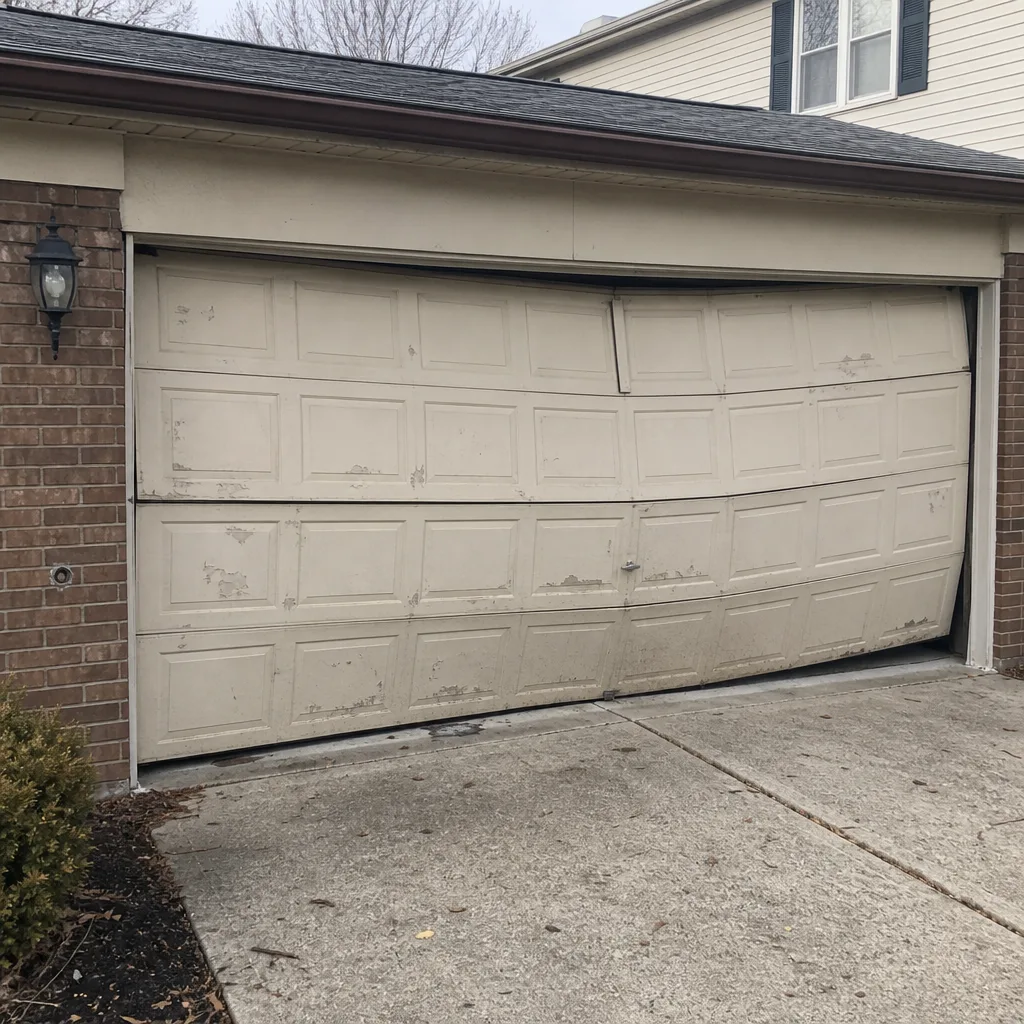 Before
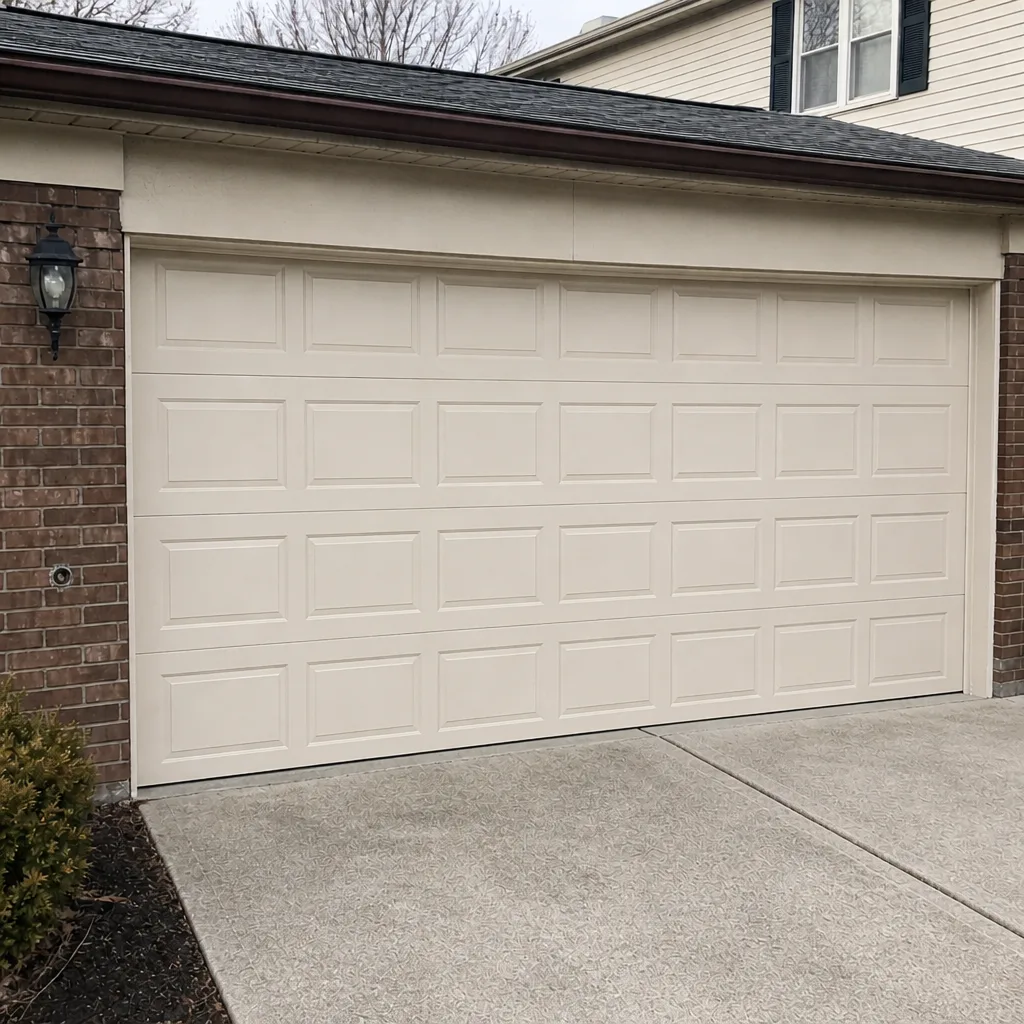 After
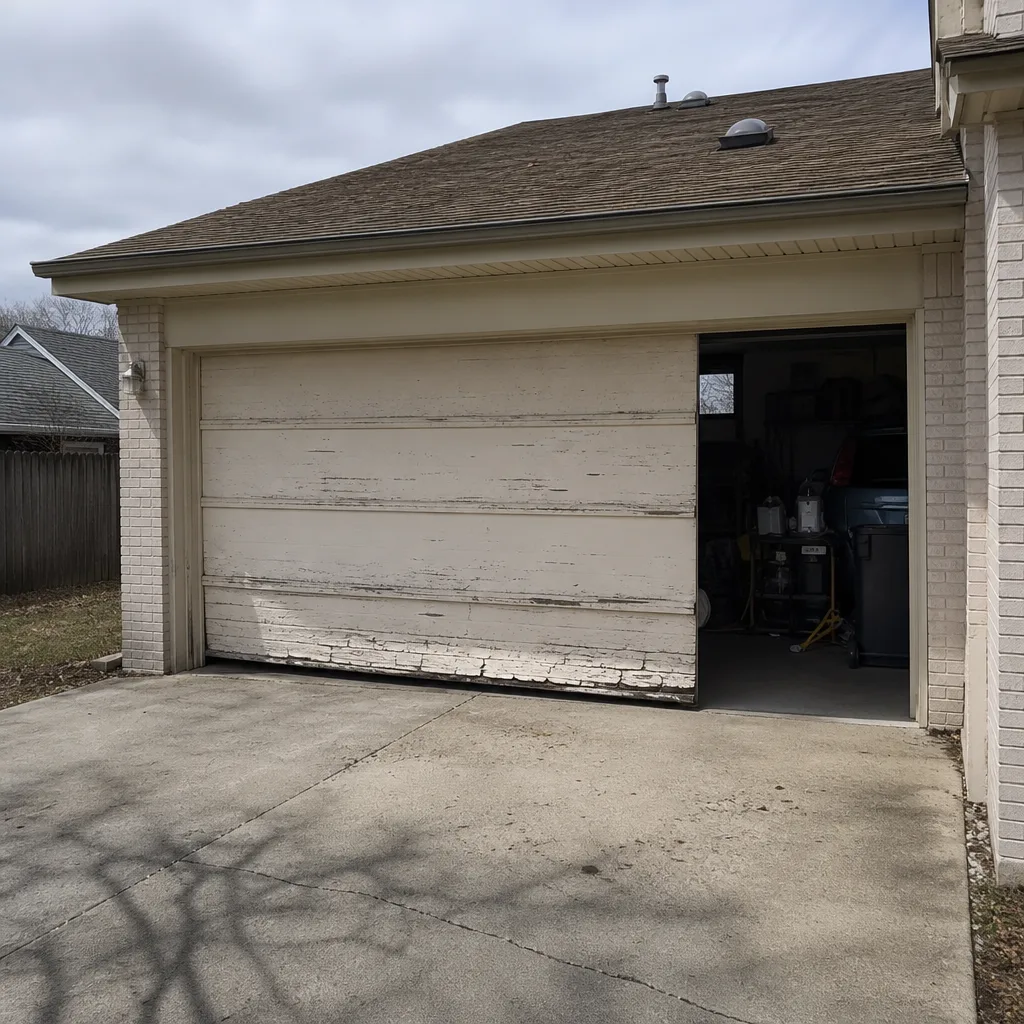 Before
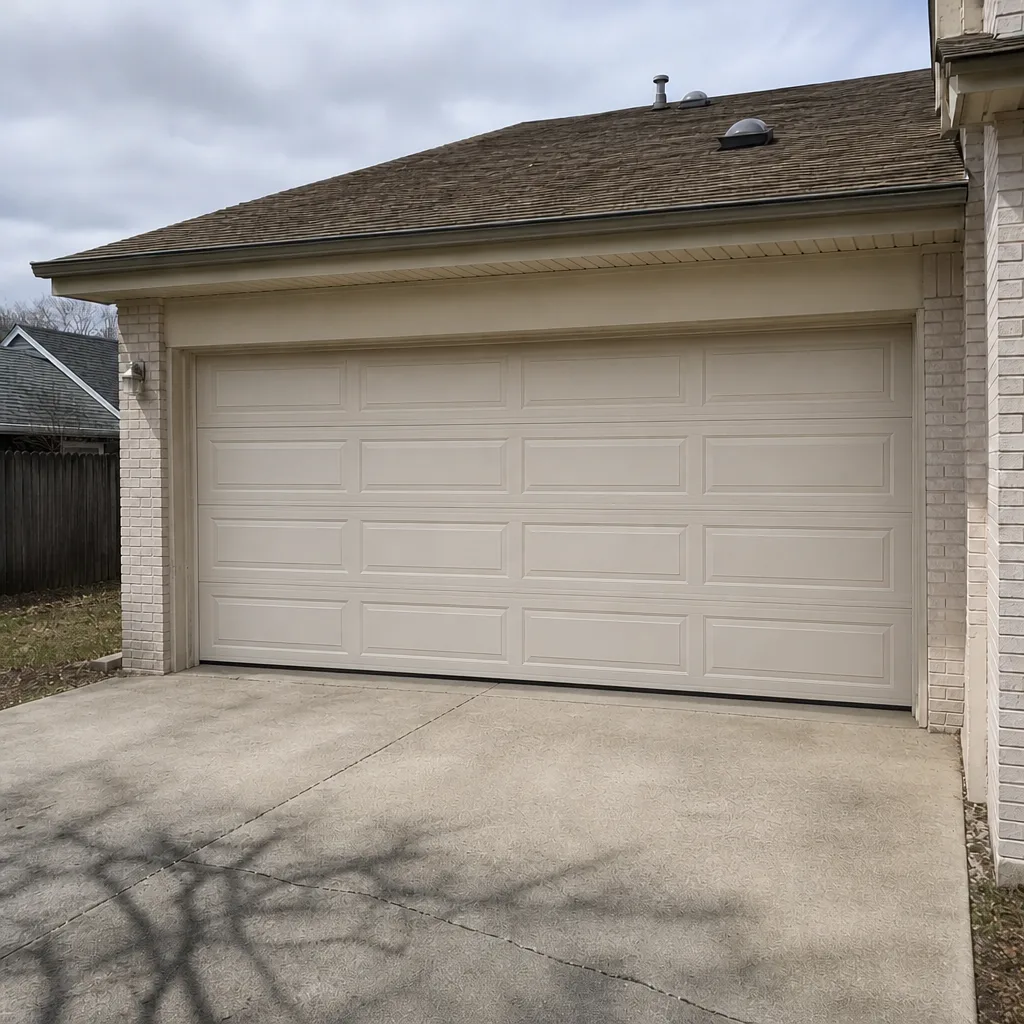 After
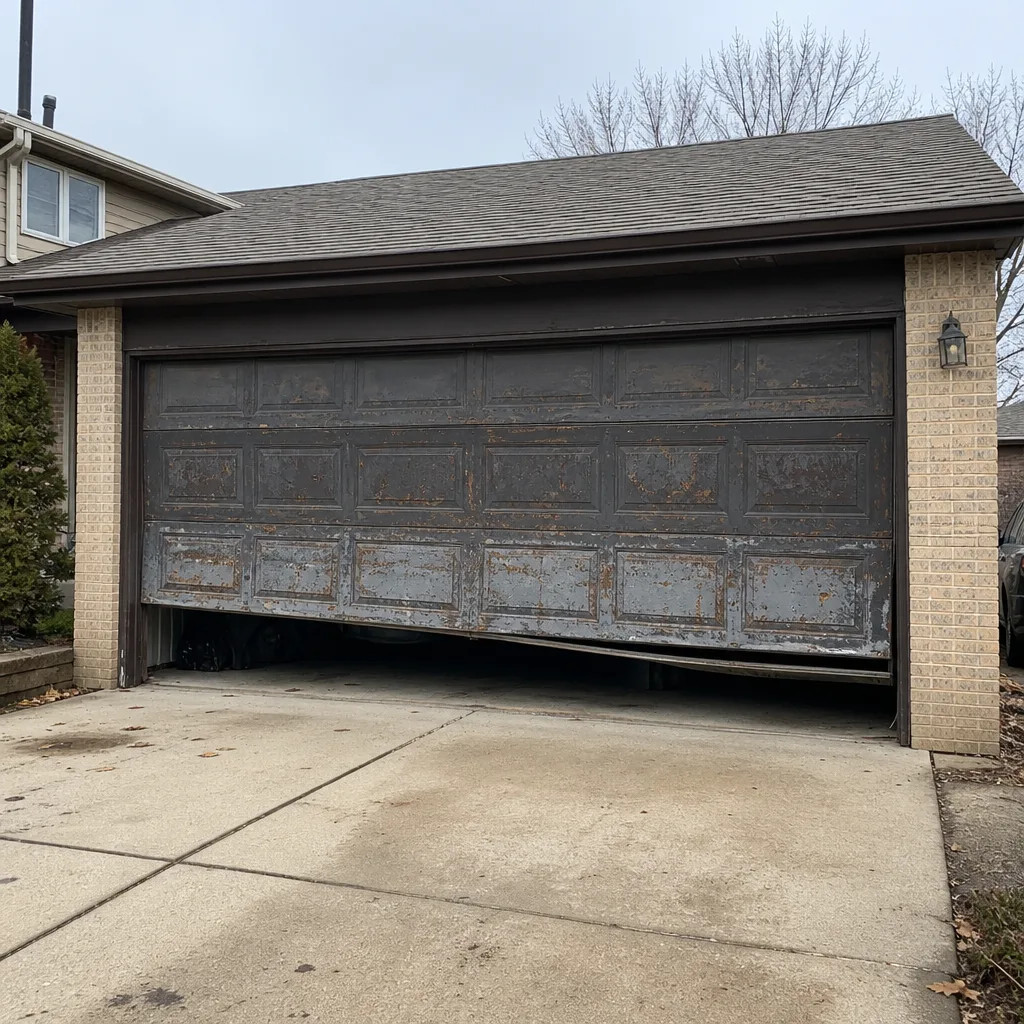 Before
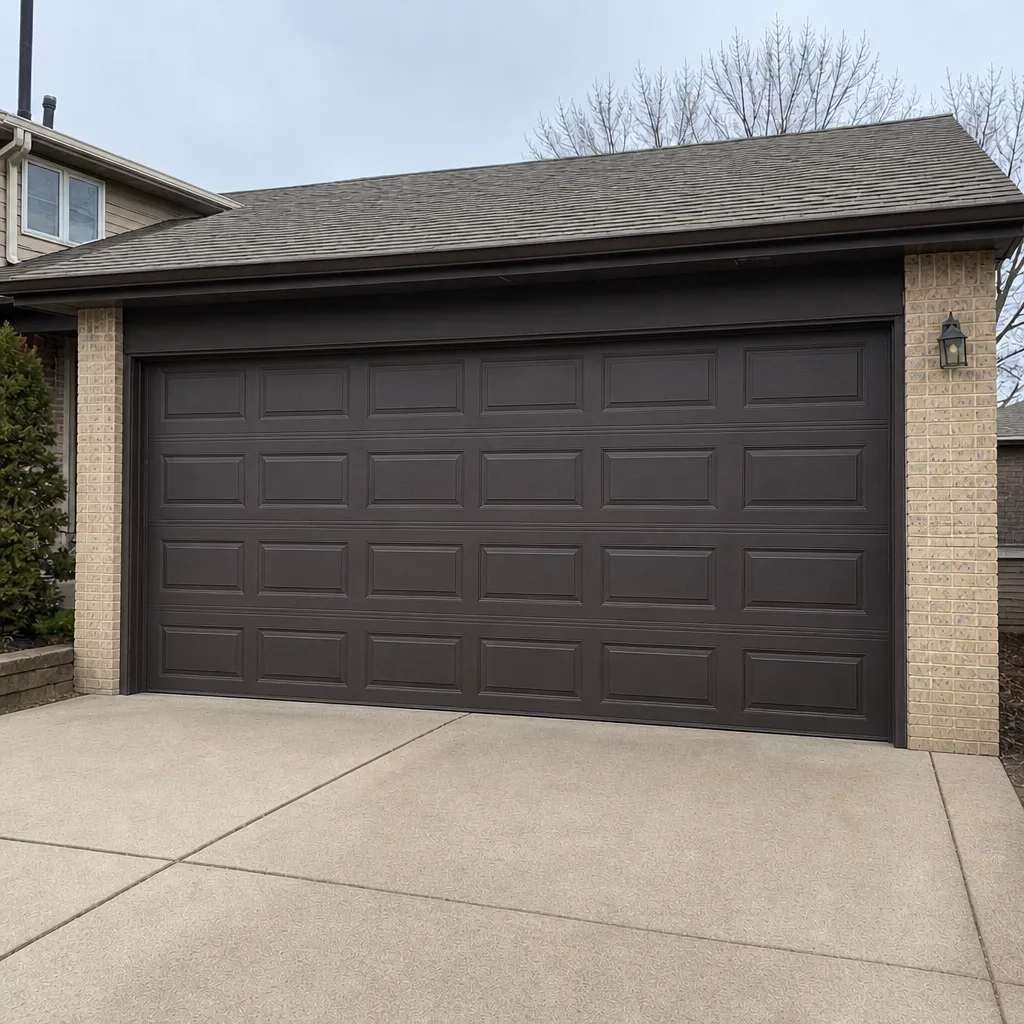 After
When to Call a Professional
Call a professional for anything involving a spring (torsion or extension), a broken cable, a bent or off-track door, a snapped hinge, or an opener that needs a real repair. Call if the door is stuck open, off its tracks, or sitting unevenly. Call if you’ve started a repair and aren’t sure what state you’ve left the system in. Our team understands the eight major brands installers put in around here, including LiftMaster, Chamberlain, Genie, and Raynor, so we work on the system you already have rather than steering you toward a replacement. Orland Park Garage Door Repair offers free estimates in Orland Park. Call (888) 569-6449. We’re happy to talk through what’s safe to handle and what isn’t.
Frequently Asked Questions
No. Garage door springs are under extreme tension, and a slip can cause serious injury. Even mechanically capable homeowners shouldn’t attempt spring replacement without professional training and winding equipment. Call (888) 569-6449 for an estimate on spring repair in Orland Park.
Costs vary with the job, the door, and the parts needed, which is why we give a written estimate rather than a phone number. A simple sensor or remote issue is on the low end, while a spring replacement or track repair costs more. The written quote always sets the final price. Call (888) 569-6449 and we’ll give you an estimate.
Lubricating rollers, hinges, and the opener rail is safe DIY and quiets most noise. Lubricating a spring itself isn’t a repair and doesn’t relieve tension, so a squeak from the spring area is worth having looked at. Call (888) 569-6449 if the noise persists.
If the opener has power and the remote works but the door doesn’t move, the likely cause is a broken spring or a failure in the lifting mechanism, and that’s a professional repair. Don’t force it. Call (888) 569-6449 and we’ll talk you through it.
Yes. A door stuck open is an access and security problem, and our emergency garage door service exists for exactly this. Call (888) 569-6449 and we’ll prioritize it. We’re closed on Saturday, but if the door fails then, call and we’ll book you for Sunday.
In most cases, yes. We’re fluent in the brands installers use around Orland Park, including LiftMaster, Chamberlain, Genie, Clopay, Amarr, Wayne Dalton, Craftsman, and Raynor, and we work on the brand you have. Call (888) 569-6449 to confirm yours.
The Bottom Line
The DIY vs. professional question for garage doors comes down to stored energy. Weatherstripping, sensor alignment, lubrication, and remote programming are safe, affordable, and worth doing yourself. Springs, cables, tracks that have drifted, and opener repairs belong to a trained technician, because the injury and the added repair cost both come from the same place: a high-tension system releasing when you weren’t ready. If you’ve started a repair and stopped, describing exactly where you are gets you a faster, more accurate estimate. For Orland Park homeowners, the smartest move is usually to do the small tasks well and let a specialist handle anything that involves tension. That’s the call worth making.
Whether you’re a homeowner weighing a weekend project or you’ve hit a step that scared you off, we’re happy to help you sort out what’s safe to do and what isn’t. For Orland Park Garage Door Repair, an honest diagnosis starts with a conversation. Call (888) 569-6449 for a free estimate.
Written by the team at Orland Park Garage Door Repair.