Last updated November 22, 2026
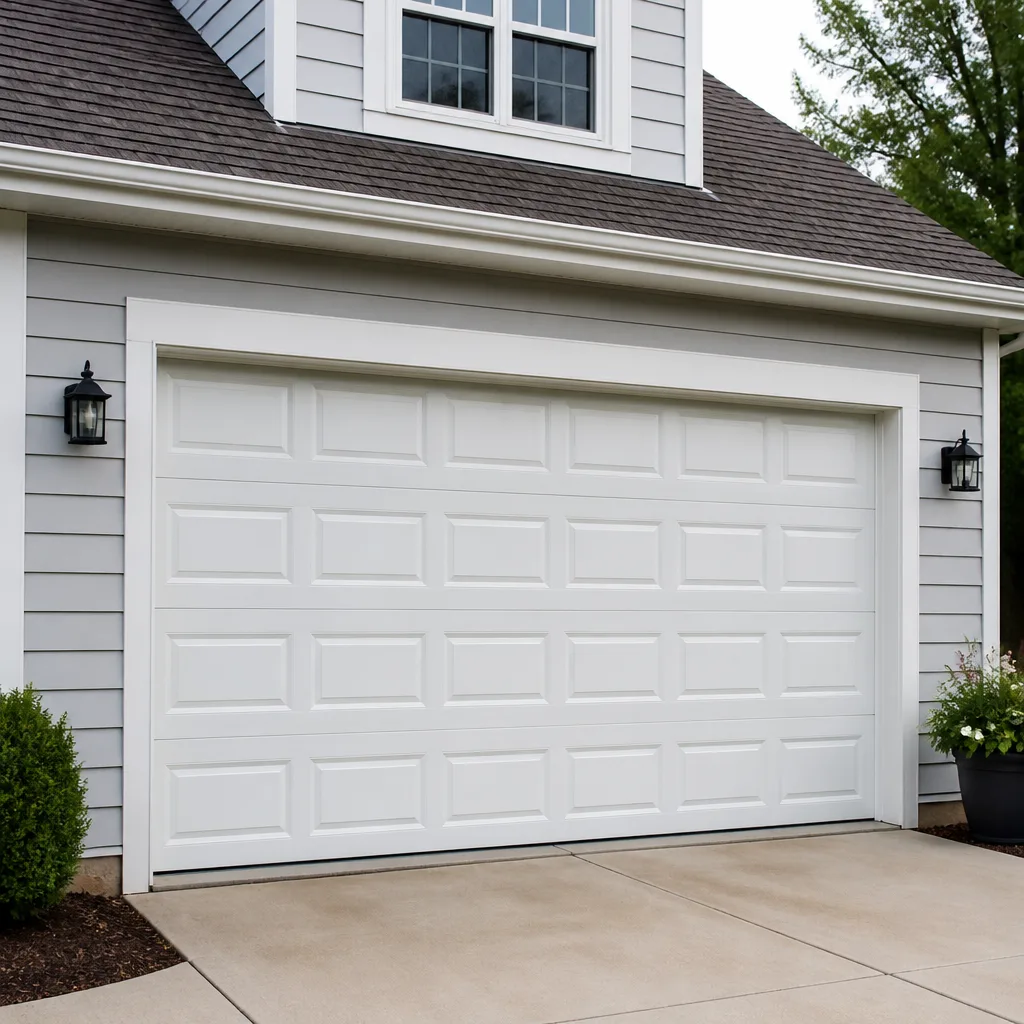 Raised-panel steel
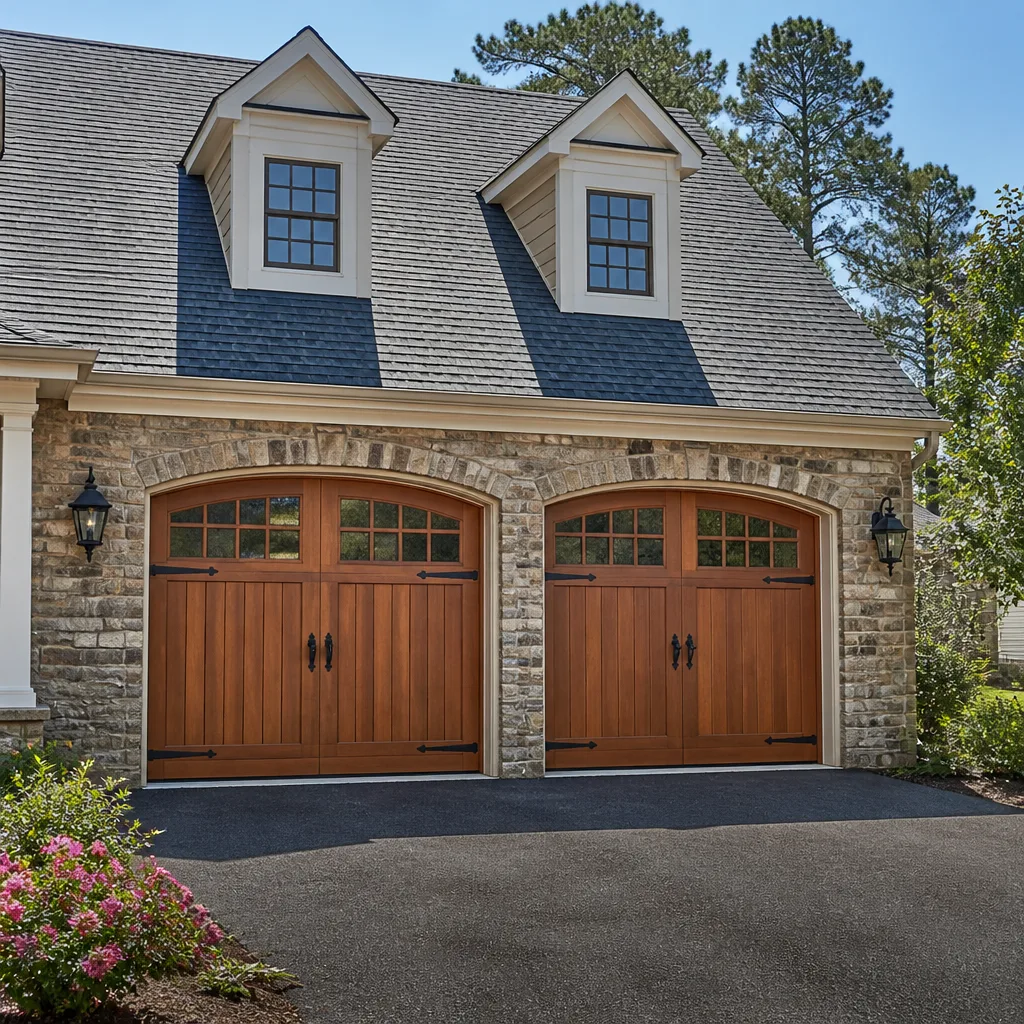 Carriage house
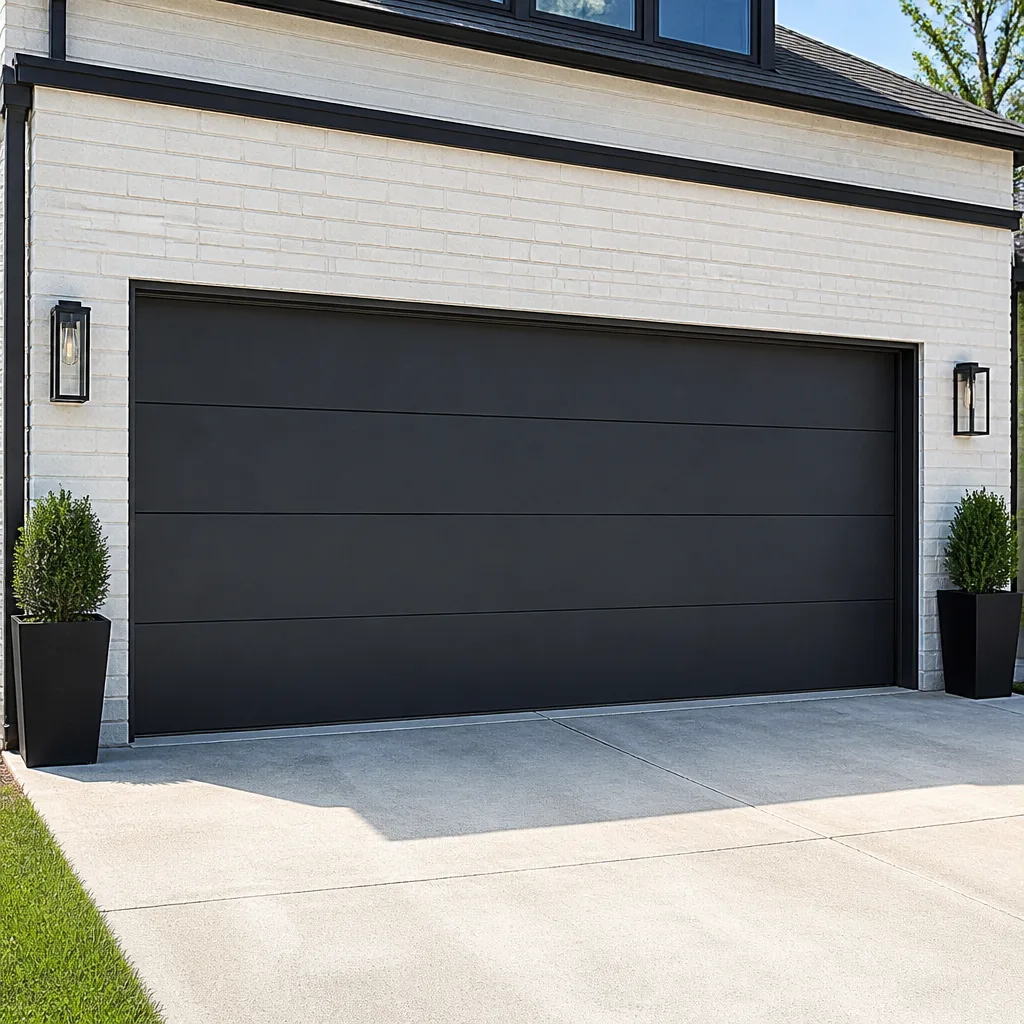 Modern flush
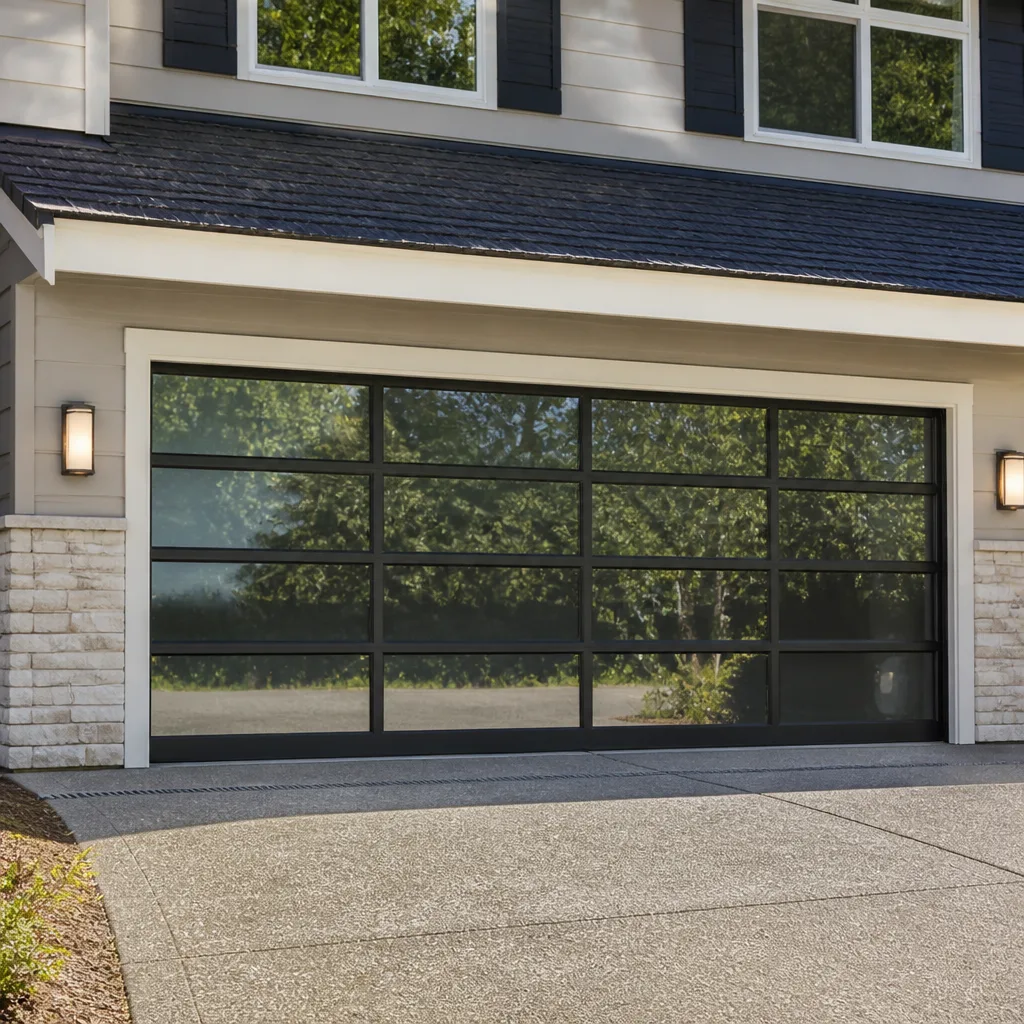 Full-view glass
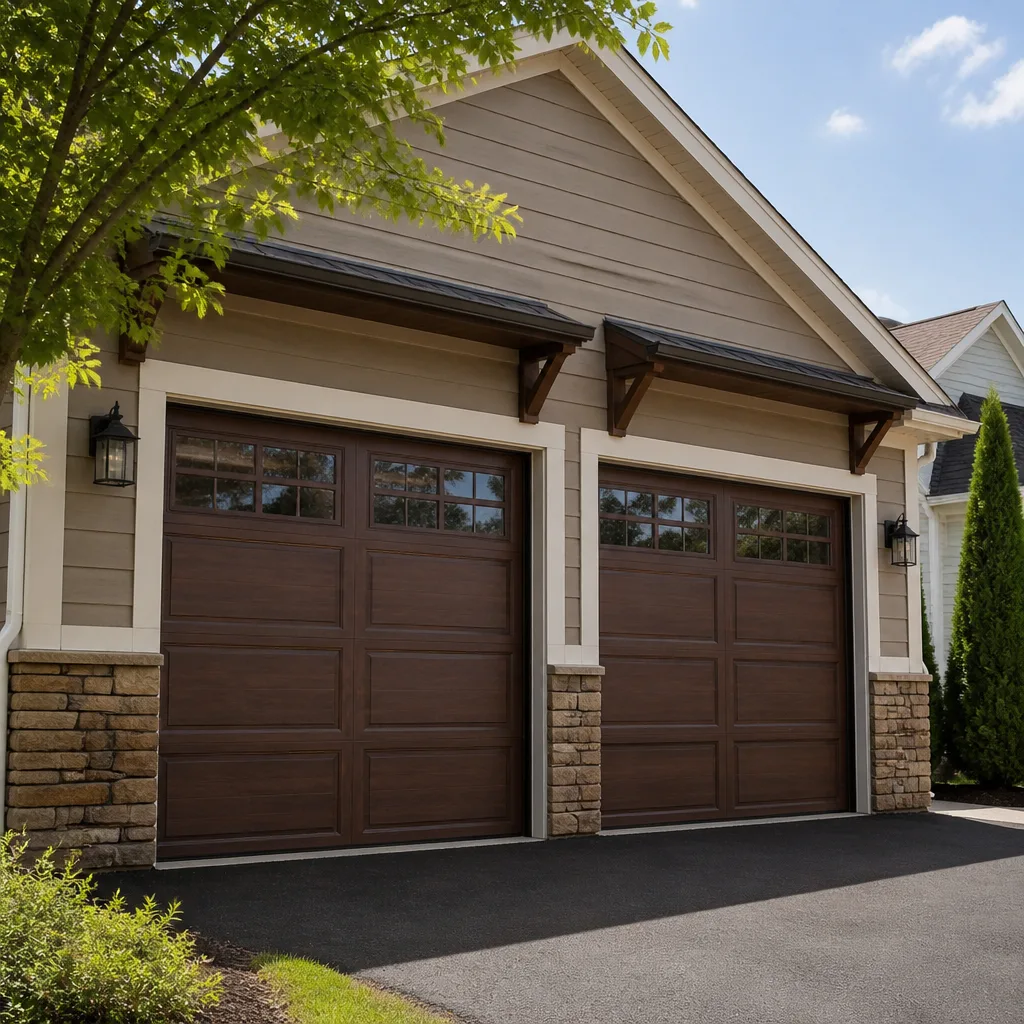 LiftMaster openers
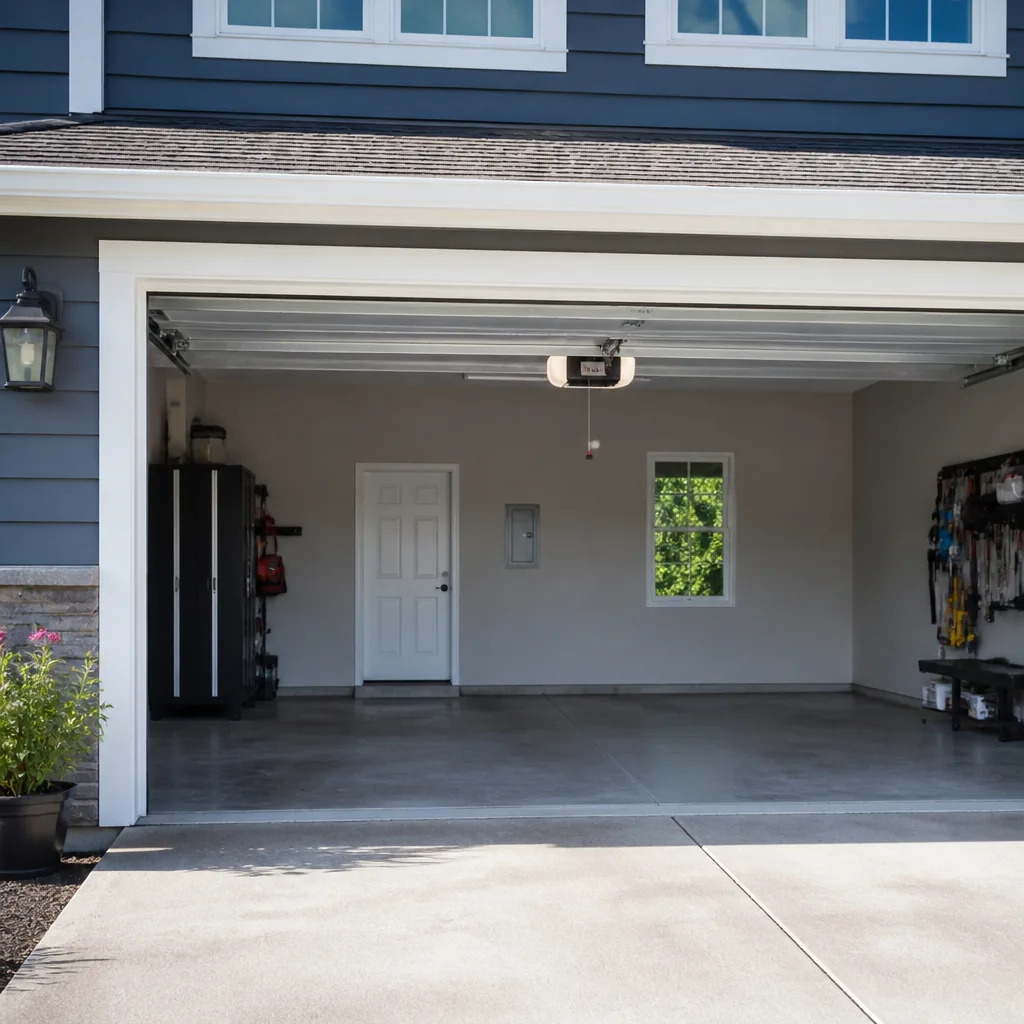 Chamberlain openers
Full 25-point door and opener safety check with every visit - springs, cables, rollers, tracks, and your LiftMaster or Chamberlain opener included
You get a price before we start. It does not change when the pro arrives.
Get your free estimateGarage Door Permits, Codes & Inspections in Orland Park, IL: What You Need to Know
Most Orland Park homeowners assume every garage door project needs a permit, and that assumption costs them time and sometimes money. The opposite mistake is worse: a like-for-like replacement gets done without paperwork, then surfaces years later at a buyer’s inspection. This guide settles it. You’ll learn which garage door projects in Orland Park actually require a Village permit and which don’t, how Illinois Energy Code shapes new door selection for attached garages, what inspection day really involves, how to confirm a contractor pulled the permit, and exactly which documents to keep afterward. Written by people who do this work daily in Orland Park.
Quick Answer
In Orland Park, a permit is generally required for new garage door installations involving structural changes, such as modifying or replacing a header, and for any work that alters the opening’s structure. Simple like-for-like door replacements, opener swaps, and spring repairs typically don’t require a permit. Because the Village’s requirements can shift and every property is different, always confirm with the Village of Orland Park Building Department before work starts, and always get the answer in writing from your contractor.
Styles & brands we work with
- Raised-panel steel
- Carriage house
- Modern flush
- Full-view glass
- LiftMaster openers
- Chamberlain openers
Table of Contents
- Which Garage Door Projects Need a Permit in Orland Park?
- What You Can Do Without a Permit
- Illinois Energy Code and Your New Door’s U-Factor
- What the Inspection Process Looks Like
- How to Confirm Your Contractor Pulled the Permit
- What Documentation to Keep After a Permitted Installation
- Why This Matters When You Sell Your Orland Park Home
Which Garage Door Projects Need a Permit in Orland Park?
Start with the rule of thumb: permits follow structure, not hardware. If your project changes how the garage opening is built, braced, or supported, you’re likely in permit territory. If you’re swapping parts inside an existing, code-compliant opening, you usually aren’t.
Here’s how the two categories break down in practice:
- New garage door installation with structural changes: Modifying, cutting, or replacing a header or lintel above the garage opening requires a permit in Orland Park. The header carries load, and the Village wants an inspector to verify it after the work.
- Enlarging or reshaping the opening: Widening a single door to a double, raising the opening height, or changing the rough framing is structural work and generally needs a permit.
- Replacing a door with a different size or weight class: If the track, header, and framing have to change to accommodate a heavier door, that’s typically permit-worthy. A straight size-for-size swap usually isn’t.
- Adding a new garage door opening to an existing wall, even an interior one, requires a permit because it’s structural.
- Electrical work to add a circuit for a new opener: The garage door installation itself may not require an electrical permit, but a new dedicated circuit usually does. In Orland Park, that’s a question for the Village Building Department, not your door technician.
One complication: Orland Park has a mix of older ranch homes and newer subdivisions, and the age of the framing matters. A door that fits an older opening sometimes requires re-bracing that wasn’t obvious until the old door comes down. In that case, we tell the homeowner immediately, we stop, and we loop the permit question back to the Village before going further. That’s the honest sequence: adjust scope first, apply for the permit second, install third.
None of this is designed to discourage you from doing the work. It’s designed to keep you from discovering a coverage gap on a front-facing part of your house. Garage doors are the largest moving object on most Orland Park homes, and the Village treats the structural envelope around them accordingly.
What You Can Do Without a Permit
This is where most of the confusion clears up. The majority of garage door service work we handle in Orland Park falls into the “no permit required” category, and that’s true across the trade.
Projects that typically don’t require a Village of Orland Park permit:
- Like-for-like garage door replacement where the new door has the same dimensions and the track and framing stay intact. This is the most common project, and it’s the one most homeowners worry about unnecessarily.
- Garage door opener repair or replacement when it’s a swap of the same unit with no new electrical circuit. If the opener is wired to an existing garage outlet, no permit is generally needed. Wiring in a new circuit is a different question and belongs to your electrician and the Village.
- Spring repair or replacement, whether torsion or extension. Springs are wear items inside the existing door system, not structural components of the opening. No permit is required, but the work is high-tension and safety-critical, which is why it belongs with a specialist. You can learn more about what that work involves on our garage door spring repair page.
- Panel replacement for a single damaged section when the door frame and track are unaffected.
- Roller, hinge, cable, and bearing replacement. These are wear-part replacements, not structural modifications.
- Opener remote or keypad programming, which is a DIY-level task regardless of brand. Whether your opener is a LiftMaster or a Chamberlain, the manual covers it.
The trap here isn’t the permit; it’s the misclassification. A homeowner replaces a door themselves as a “like-for-like” swap, then discovers the original door was already an odd size or that a prior owner had made structural changes. When you go to sell, an inspector may flag the door as non-conforming. The fix is to schedule an inspection before the project, not after. If you’re unsure which category your project falls into, that’s the moment to call us at (888) 569-6449 for a free walk-through of the opening.
Illinois Energy Code and Your New Door’s U-Factor
Illinois follows the statewide energy code, and if you’re installing a new garage door as part of a permitted project or an attached-garage remodel, the door’s thermal performance becomes part of the conversation. Two numbers matter: R-value, which measures insulation performance, and U-factor, which measures heat transfer through the whole door assembly. Lower U-factor is better; higher R-value is better.
Why it matters for attached garages in Orland Park:
- Attached garages act as a thermal buffer between the outside and the rooms above or beside them. In Orland Park’s cold winters, an insulated door reduces the heat transfer into a cold garage and helps keep adjacent rooms warmer.
- The code requirements apply most directly to new construction or permitted renovations where the garage is part of the conditioned envelope. A like-for-like replacement door isn’t typically subject to a U-factor check, but you still want an insulated door for comfort and efficiency.
- Insulated doors cost more upfront. In the Orland Park market, insulated single-car doors typically land in a materially higher price band than non-insulated, and double-car doors more still. The written estimate sets the final price for your specific installation.
- Door brands differ on insulation ratings. Clopay and Amarr, for example, offer insulated models across a range of performance tiers. The right pick depends on your garage’s exposure and whether the room above is conditioned space.
Code questions belong with the Village of Orland Park Building Department. They can tell you exactly what applies to your project’s scope. We can tell you which of the doors we install meet those numbers. Those are two different conversations, and we don’t conflate them. If you’re unsure whether your installation is a permitted project or a simple replacement, start with our garage door repair team for a site check; they can tell you what your opening needs before anything is ordered.
A note of caution here: energy code details change, and village interpretations of the code differ. Never accept a contractor’s verbal “you don’t need to worry about the energy code” without confirming with the Village. Free estimates are worth less than a permit pulled correctly.
What the Inspection Process Looks Like
If your project does require a permit, here’s the realistic sequence in Orland Park. Timelines vary by permit volume at the Village, so treat these as descriptions of the flow, not promises about days.
- Permit application. Your contractor submits the application with drawings and scope. For a garage door replacement that includes header work, expect a simple drawing showing the existing opening, the new header, and the door spec.
- Plan review. The Village reviews the plan. Simple garage door structural work is usually a fast review, though it can extend if the scope is unclear or drawings are missing details.
- Permit issued. Once approved, the permit is posted on-site before work starts. That posting is your signal that the work is being done legally.
- Installation. The work happens. For a structural project, framing is inspected before the door is hung, so there’s usually a rough-in inspection at that point.
- Final inspection. The inspector verifies the installed door, hardware, safety features, and structural work. If something is out of spec, you’ll receive a correction list and a re-inspection.
- Permit closed. The Village signs off and closes the permit. You keep the paperwork.
Two things usually trip people up on garage door inspections in Orland Park. The first is safety hardware: inspectors verify the door is balanced and that the opener’s safety features work, including the reversing mechanism. The second is the photos and documentation your contractor should be holding. If an inspector has a question, nobody wants to reconstruct a job from memory. We photograph every stage of a permitted install, from the exposed framing through the finished door, precisely so a re-inspection is a formality rather than a hassle.
If your door needs only a repair and not a permitted installation, our crew handles it directly. If your door fails to open or close and the failure is a mechanical problem, call us at (888) 569-6449 for fast dispatch from 7am to 7pm. Emergency garage door service is a core part of what we do.
How to Confirm Your Contractor Pulled the Permit
This is the part that saves homeowners from the worst outcome. A permit that wasn’t pulled is invisible until it becomes someone else’s problem, usually at sale or after a claim.
Here’s what to ask and do before work begins:
- Ask for the permit number in writing. Any contractor pulling a permit in Orland Park will have a number. Ask them to email or text it to you before the install date.
- Verify with the Village. Call the Village of Orland Park Building Department with the permit number and address. They can confirm the permit’s status and scope.
- Check the permit is posted on-site. If the permit number exists but the permit isn’t visible at the property during work, that’s a red flag.
- Look at your written contract. The contract should state who is pulling the permit and whose name is on it. The property owner is technically the permit holder in many cases, but the contractor should be managing the process for you.
- Confirm who pays the permit fee. If a contractor says “we can skip the permit and save you the fee,” the savings are trivial compared to the eventual problem.
Why some contractors skip it: time. A permit means a plan review, a rough-in inspection, and a final. For a contractor trying to win on price, that’s downtime they don’t want. We see this most often in new-construction-adjacent neighborhoods around Orland Park where builders and subcontractors overlap, and door installs sometimes get done under another trade’s permit without the door scope included.
The cleanest rule: if your project requires a permit, the permit is not an upsell. It’s the legal framework for the work. You deserve to know the answer before anyone touches your door.
What Documentation to Keep After a Permitted Installation
The job isn’t done when the door works. It’s done when the paperwork is filed. Here’s what to keep and where:
- The permit itself, with the Village’s inspection sign-off and final closing date. Keep a paper copy in your home file. Scan it and keep the PDF in cloud storage.
- The written contract and the estimate you agreed to. If the final invoice differs from the written estimate, that’s a problem you should have in writing before work starts, not after.
- The door spec sheet with model number, size, and insulation rating (R-value or U-factor). This matters for future warranty claims and for resale disclosure.
- Manufacturer warranty documentation. Door warranties run through the manufacturer, and opener warranties often run separately. Keep both. If you’re running a Clopay or Raynor door, the model number matters for any future parts order.
- Photos of the open framing and the finished install. Your contractor should take these. Ask for copies.
- The installer’s name and any contact info, plus the date of installation. Write it on the permit file. You’ll want this if the opener later fails and you need warranty service.
Store the originals in the same place as your roof and HVAC paperwork. That’s the “house envelope” file, and it’s exactly what a buyer’s inspector and your homeowner’s insurance will want to see. Digital backup is cheap; reconstructing a permit after closing is not.
Why This Matters When You Sell Your Orland Park Home
Here’s the part nobody tells you at the estimate: a garage door project that required a permit and didn’t get one can become your liability at sale, not the contractor’s. Orland Park home sales go through the same disclosure and inspection process as anywhere in the Chicago area, and a buyer’s inspector who spots an unpermitted door install will flag it.
What that looks like in practice:
- The buyer’s inspector notes the door install and the missing permit. The buyer’s attorney or agent asks you for documentation.
- If the work was structural, the buyer may ask for a retroactive permit, which means plan review and inspection after the fact, and can involve opening up finishes to verify what’s inside.
- If the door is non-conforming for its opening, the correction cost and any closing delay become your problem.
- Homeowner’s insurance may also care about unpermitted structural work, especially after a storm or impact claim.
This is exactly why we say it plainly: the two projects most likely to be skipped for a permit (a new install with structural changes, and a size change) are the two most likely to surface in a buyer’s inspection. The fix is simple: pull the permit when it’s required, keep the documentation, and hand it to the next owner when the time comes.
If a permitted install is part of your plan and the door you have is beyond saving, the same team handles the full job. You can read more about the whole lifecycle on our Orland Park Garage Door Repair page, or ask us directly whether your project is permit-worthy before you sign anything.
Common Mistakes to Avoid
- Assuming every replacement needs a permit. Most like-for-like swaps don’t. Wasting weeks on a permit application for a routine replacement just delays a necessary fix. Confirm with the Village before you assume.
- Assuming no permit is ever needed. The opposite error. A new door with header changes, or an opening that gets resized, is structural work and generally requires a permit in Orland Park.
- Letting the contractor talk you out of a permit to save money. The permit fee is small compared to the eventual correction cost if the missing permit surfaces at a sale or an insurance claim. If a contractor suggests skipping it, walk away.
- Not checking the permit is actually posted on-site. A permit number in an email is not the same as a permit posted at the property. Verify both.
- Ignoring the Illinois Energy Code question for attached garages. If your new door is part of a permitted project and the garage is attached, ask about R-value and U-factor before ordering. Clopay and Amarr both publish spec sheets; bring the number to the Village if you’re unsure.
- Skipping the documentation file. Photos, spec sheet, permit, and warranty should all live in one place. Losing them costs more to reconstruct than to store.
- Assuming the contractor’s “we’ll take care of it” covers the permit. Get it in writing. A verbal promise doesn’t survive a home sale.
See the difference
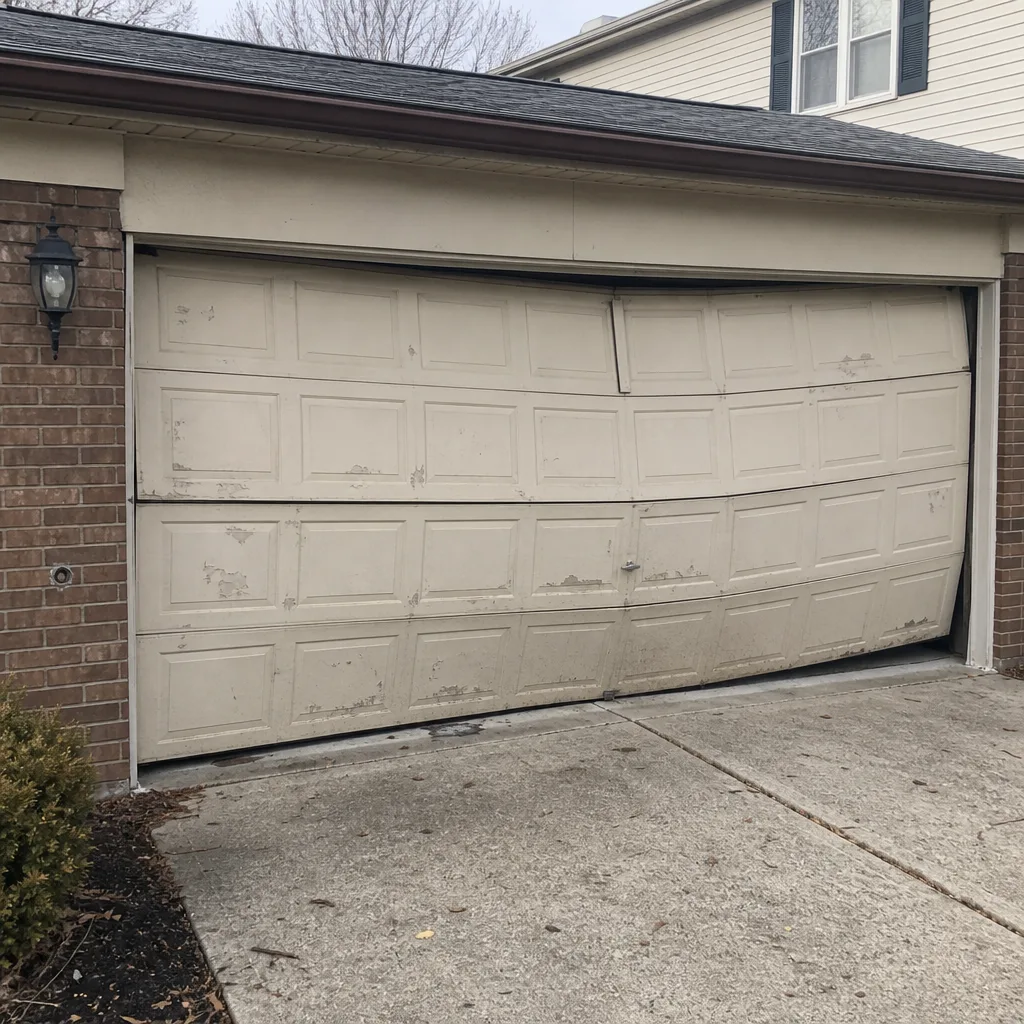 Before
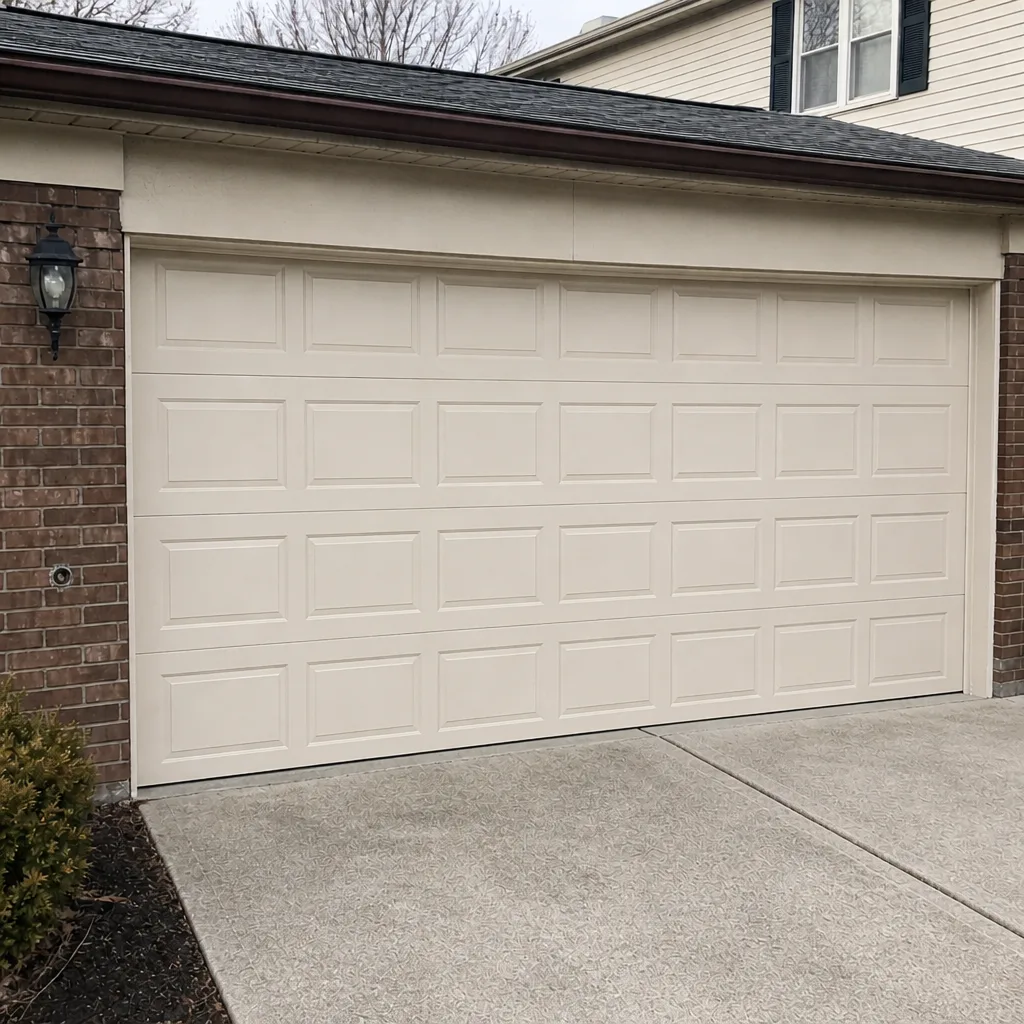 After
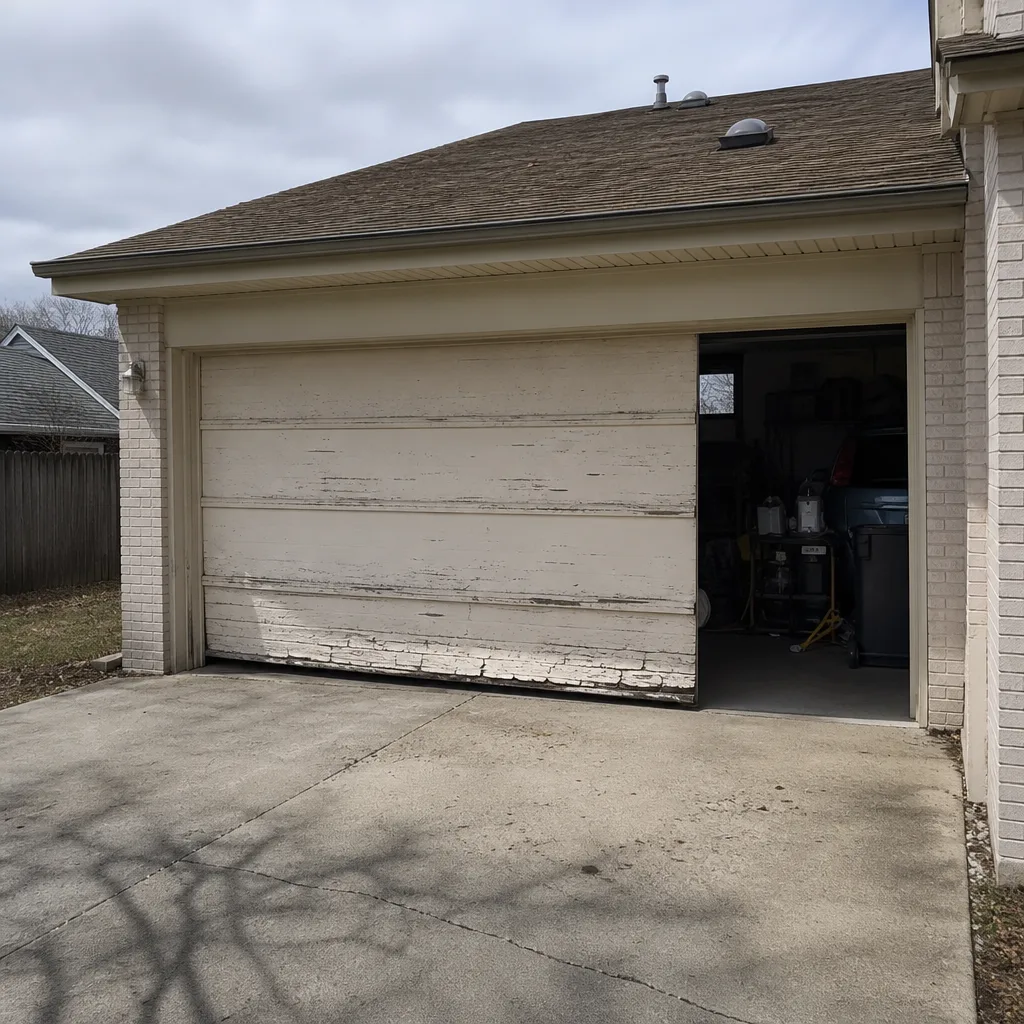 Before
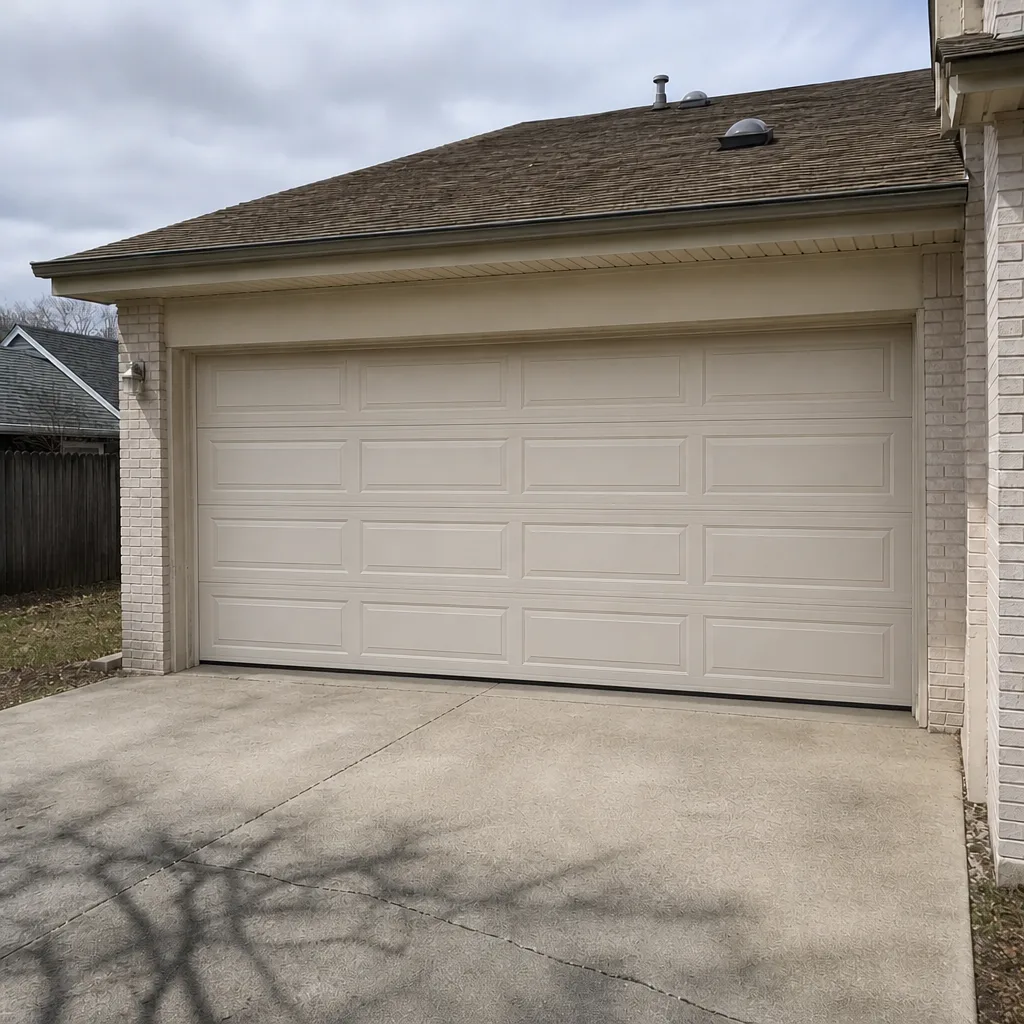 After
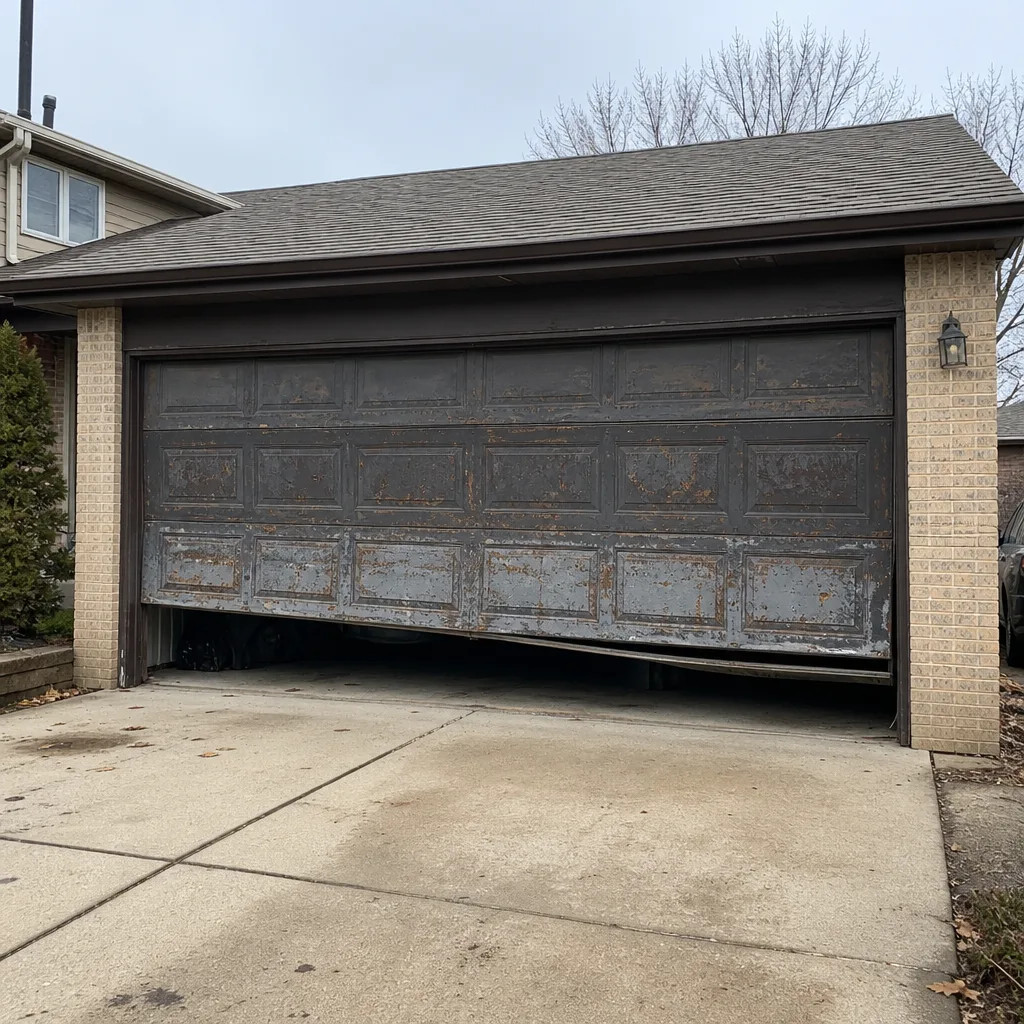 Before
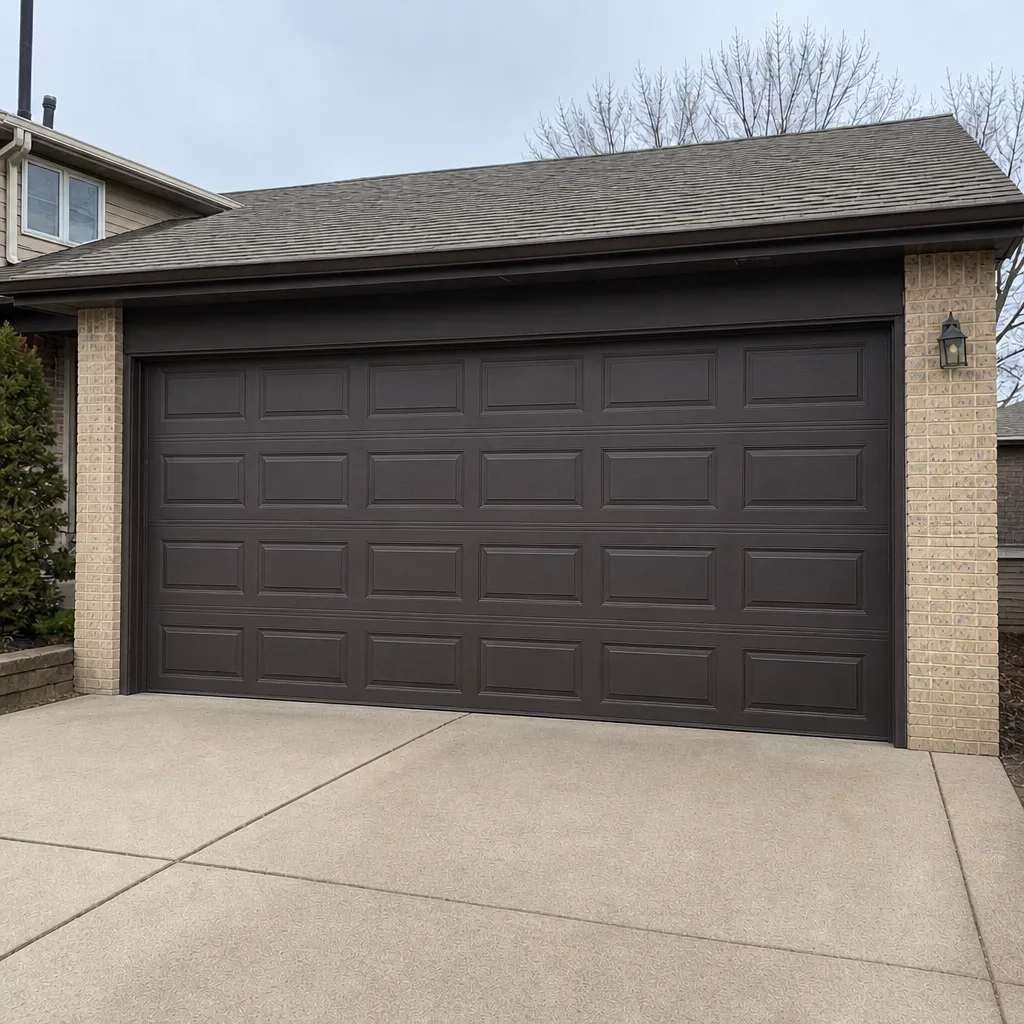 After
When to Call a Professional
Some garage door work belongs in a homeowner’s repair kit; most doesn’t. Here’s when to call in a specialist: any spring failure (torsion or extension) is high-tension and dangerous, and it belongs with someone trained for it. A door that’s come off its tracks, a door that reverses on its way down, or an opener that runs but doesn’t move the door. Any installation involving structural changes, header modifications, or a new opening. Any project where you’re unsure whether a permit is required. And any emergency, where the door fails closed or open and you can’t secure the house. Orland Park Garage Door Repair offers free estimates in Orland Park; call (888) 569-6449 for fast dispatch from 7am to 7pm and our team can tell you exactly what your project needs, including the permit question. Our technicians have up to 13 years of experience and work on the brand you already have, whether that’s LiftMaster, Chamberlain, Clopay, Raynor, or any of the eight major brands we service.
If the door is failing now and needs service today, our garage door opener repair team can diagnose the opener and the door in the same visit. If the door is beyond saving and a full install is coming, that’s the same company, same team, and a written estimate before anything is ordered.
Frequently Asked Questions
Usually not, if it’s a like-for-like replacement of the same size with no structural changes. You do need a Village of Orland Park permit if the project modifies or replaces the header, changes the opening’s size, or adds a new opening. Confirm with the Village Building Department before work starts, and get the answer in writing from your contractor. Call (888) 569-6449 for a free estimate and we’ll walk through your opening with you.
Permits in Orland Park are generally required for new installations that involve structural changes (header modification or replacement, framing changes, opening resizing) and for adding a new garage door opening. Opening installs that are simple like-for-like replacements, opener swaps, and spring repairs typically don’t require a permit. When in doubt, ask the Village Building Department for the specific scope of your project.
It can. The Illinois statewide energy code includes performance requirements for an attached garage that’s part of the conditioned envelope, and a new door’s U-factor and R-value become part of that. A like-for-like replacement is generally not subject to a new U-factor check, but an insulated door still matters for comfort and efficiency in Orland Park’s cold winters. The Village Building Department can tell you what applies to your project’s scope; ask before ordering the door.
Timelines vary with permit volume at the Village and with how complete the application is. A straightforward structural project commonly moves through plan review, a rough-in inspection, and a final inspection, but the Village controls that schedule. Your contractor should be able to tell you what they’ve seen recently. The one timeline we can promise is our own: we’ll tell you the permit status and next steps on day one.
The buyer’s inspector can flag the missing permit, and the correction cost plus any closing delay becomes your problem. If the work was structural, a retroactive permit means plan review and inspection after the fact. Homeowner’s insurance may also involve itself after an impact claim. The simple fix is to pull the permit when the project requires it and keep the documents in your house file. Call (888) 569-6449 if you need a project assessed for permit-worthiness before a sale.
We connect you with local professionals who are licensed and insured as their state requires, and our technicians have up to 13 years of experience on the eight major garage door and opener brands. On any permitted project, the licensed local professional performing the work is the one coordinating the permit and inspection. Estimates are free and the price is quoted and agreed before any work starts. Call (888) 569-6449 for your estimate.
The Bottom Line
Garage door permits in Orland Park are narrower than most homeowners fear and more important than most realize. Like-for-like replacements, opener swaps, and spring repairs typically don’t need a permit. New installations with header work, opening resizing, and structural changes generally do. If your project is in the second group, the two things that matter are confirming the permit was pulled before work starts and keeping the documentation afterward. Illinois Energy Code and attached-garage insulation are worth a conversation with the Village. And when the door breaks or the opener fails, a specialist handles the repair and, if needed, the full install on the same call. Our garage door repair team in Orland Park handles every stage of that project.
Call (888) 569-6449 for a free estimate in Orland Park. We’ll look at your opening, tell you plainly whether a permit applies, give you a written price before any work starts, and take photos of the whole install for your file. Fast dispatch from 7am to 7pm for emergencies, and we’re closed on Saturday, so an early-morning or Sunday call is the right move when a door fails over the weekend.
Written by the team at Orland Park Garage Door Repair.